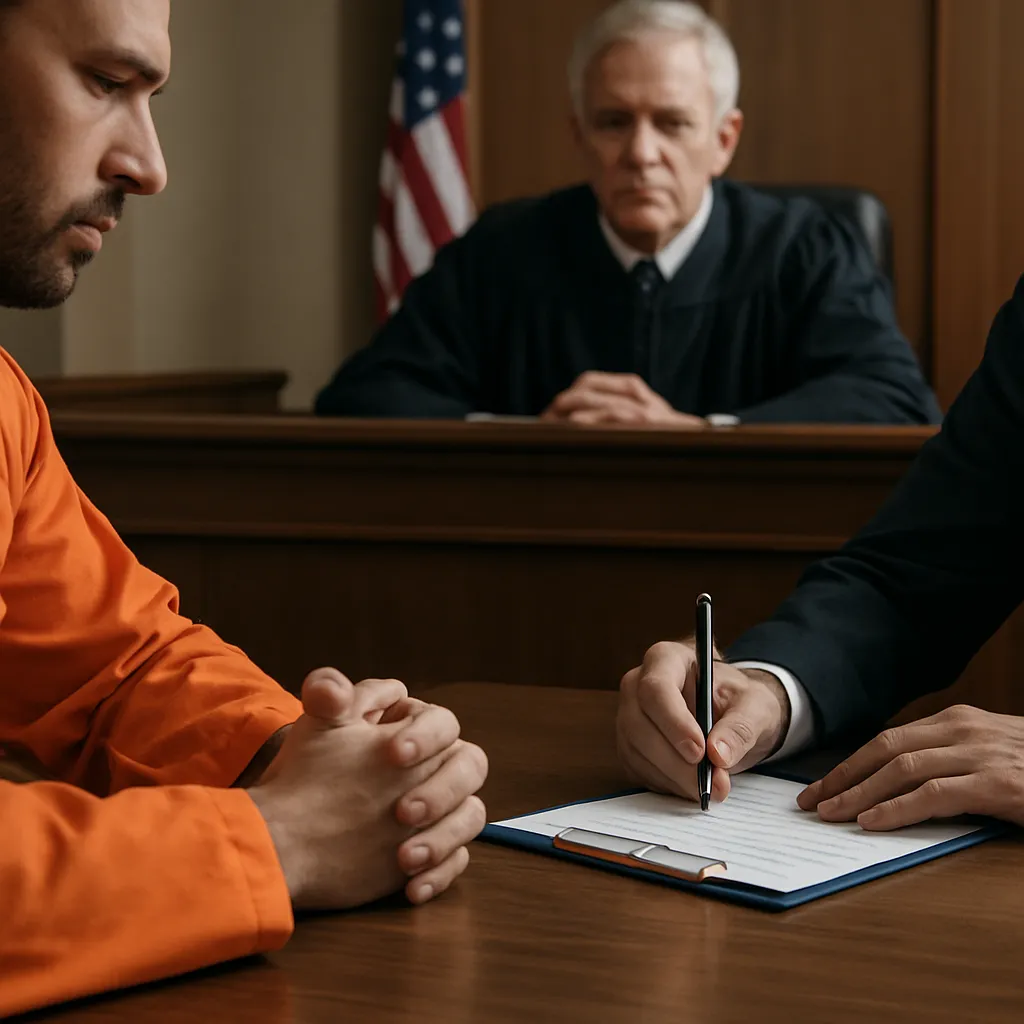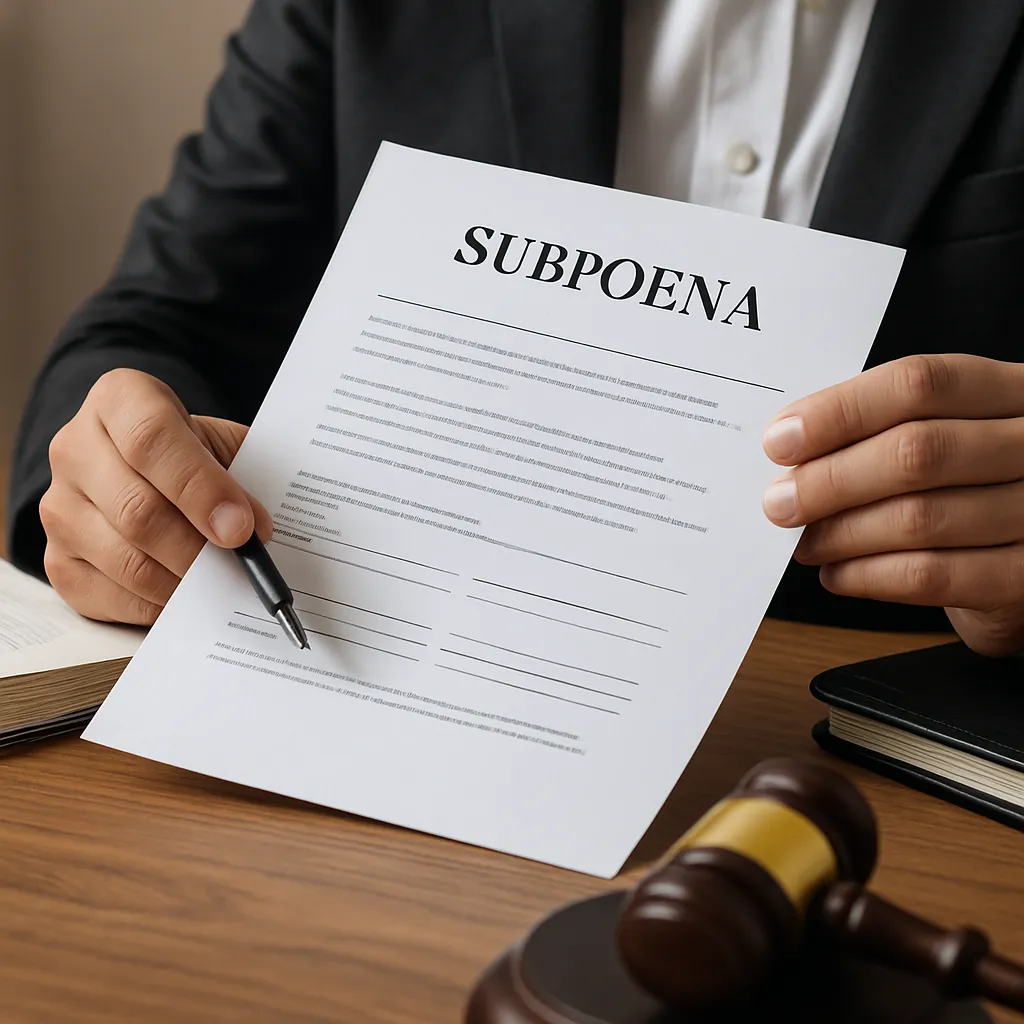
Navigating a subpoena in a criminal proceeding can be a challenging ordeal for both defendants and witnesses. Properly addressing this legal demand is crucial to protect your interests and avoid unintended consequences. This comprehensive guide explores key considerations and actionable steps for dealing with a subpoena in a criminal case, highlighting essential strategies that criminal lawyers deploy to safeguard their clients.
Understanding the Nature and Scope of a Subpoena
Before taking any action, it is vital to gain a clear grasp of what a subpoena entails. A subpoena is a formal court order compelling an individual to testify or to produce documents, records, or other evidence. In criminal cases, subpoenas often target witnesses, experts, or third parties who may hold relevant information.
- Types of Subpoenas: Subpoena ad testificandum (for testimony) and subpoena duces tecum (for documents).
- Issuing Authority: Federal courts, state courts, or grand juries.
- Service Requirements: Personal delivery, certified mail, or court-approved methods.
Identifying the precise scope—including dates, locations, and items requested—will help you or your counsel assess compliance obligations and potential challenges.
Evaluating Lawful Compliance and Grounds for Objection
Once you receive a subpoena, your next step is to evaluate whether you must comply or if valid objections exist. Criminal lawyers often examine:
Relevance and Overbreadth
A subpoena must seek information that is reasonably calculated to lead to admissible evidence. If a request is excessively broad, covering materials beyond what is necessary, counsel can file a motion to quash or modify the subpoena.
Privilege and Confidentiality
Certain communications—such as those between attorney and client—are protected by legal privilege. Health records, trade secrets, and other sensitive data may also be shielded under confidentiality laws. Raising a privilege objection demands timely motion practice and clear documentation of the privileged nature of materials.
Procedural Irregularities
Subpoenas must adhere to strict procedural requirements. Common defects include:
- Improper service or insufficient notice period.
- Lack of judicial signature or seal.
- Requests for evidence outside the issuing court’s jurisdiction.
Identifying such irregularities provides grounds to seek relief from the court before compliance becomes mandatory.
Engaging Legal Counsel and Strategic Planning
Securing experienced criminal defense counsel early can significantly influence the outcome of subpoena-related issues. Attorneys can:
- Review the subpoena’s terms and determine compliance obligations.
- Draft and file motions to quash, modify, or limit the subpoena.
- Negotiate protective orders to limit public disclosure or maintain confidentiality.
- Coordinate with investigative experts to prepare responsive materials.
Effective representation involves not only meeting court deadlines but also anticipating the prosecution’s tactics. Counsel may perform a risk-benefit analysis to decide whether partial compliance is preferable to full objection, especially when penalties for noncompliance can include contempt of court.
Preparing Responsive Materials and Ensuring Compliance
If the court denies objections, or you elect not to challenge the subpoena, thorough preparation is essential. This process typically includes:
- Gathering Documents: Identify, collect, and review all responsive records. Ensure proper chain of custody for physical evidence.
- Witness Preparation: If testimony is required, schedule mock examinations to familiarize the witness with possible questions and courtroom etiquette.
- Logistics Management: Verify the date, time, and venue for document submission or testimony. Coordinate travel arrangements if needed.
- Protective Measures: Seek redactions or confidentiality stipulations for sensitive information.
Adhering to these steps demonstrates good faith and helps avoid sanctions that could adversely affect the client’s position in the criminal case.
Attending Court Hearings and Responding to Contempt Motions
Once documents are produced or testimony is scheduled, the next critical phase is court appearance. Key considerations include:
Courtroom Decorum and Testimony
Witnesses must present themselves professionally, answer questions truthfully, and follow the judge’s instructions. Criminal lawyers often coach witnesses on:
- Staying composed under cross-examination.
- Answering only the question asked, without volunteering extraneous information.
- Asserting valid objections, such as the Fifth Amendment privilege against self-incrimination.
Handling Contempt Allegations
Failure to comply with a subpoena can result in contempt proceedings. To defend against a contempt motion, counsel may:
- Demonstrate good-faith attempts to comply or to seek protective relief.
- Highlight procedural defects in the subpoena or service.
- Argue alleviating circumstances, such as inadvertent error or inability to locate documents despite diligent search.
Swift action and prepared legal arguments can help avoid fines, imprisonment, or other punitive measures.
Avoiding Common Pitfalls and Maximizing Client Protection
Even experienced individuals can fall into traps when facing a subpoena. Criminal lawyers recommend:
- Never delaying response; always track deadlines to avoid waiver of objections.
- Keeping thorough records of all communications and steps taken to comply.
- Consulting experts early when technical or voluminous data is involved.
- Preserving original documents and providing certified copies if permitted.
Proactive planning and meticulous attention to detail ensure that your rights and interests remain robustly protected throughout the criminal process.