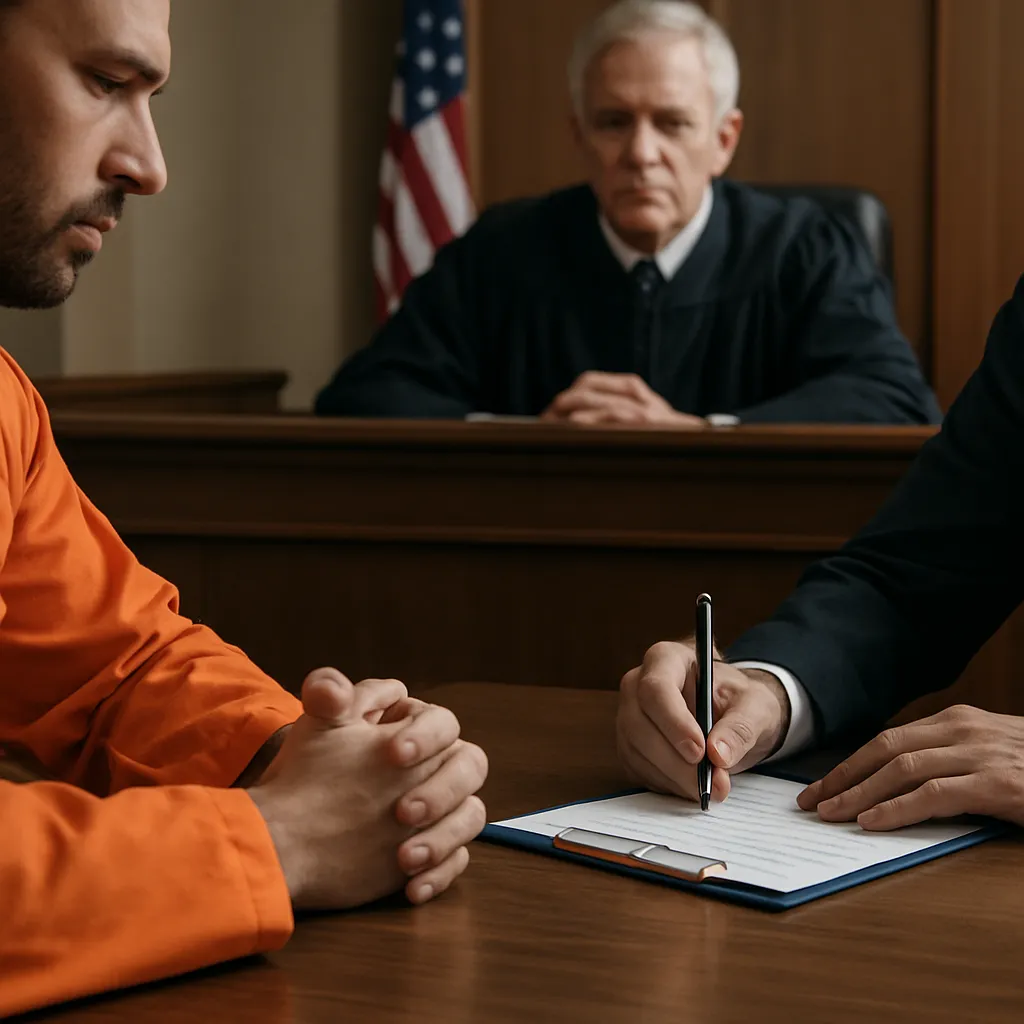
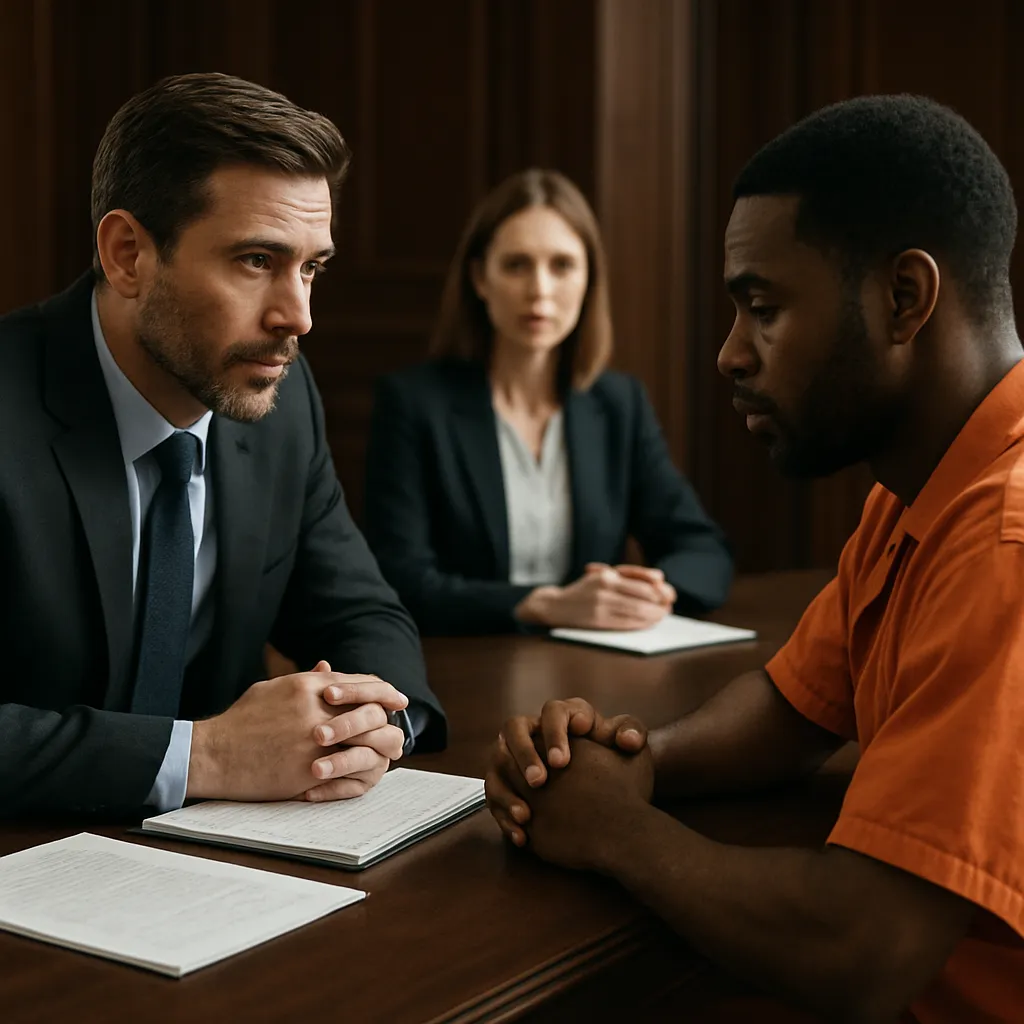
Facing a homicide accusation can be one of the most harrowing experiences a person can endure. Criminal lawyers must navigate complex statutes, interpret scientific data, and anticipate courtroom dynamics to build a compelling case on behalf of their client. This article explores how skilled attorneys approach murder allegations, from gathering critical information during the investigative phase to orchestrating a persuasive defense strategy under the bright lights of a courtroom.
Investigative Phase: Building the Foundation
The first step in any murder defense is a thorough probe of the facts. Attorneys work closely with private investigators, forensic experts, and law enforcement records to collect any data that may cast doubt on the prosecution’s version of events. A meticulous review of police reports, witness statements, and crime scene materials can uncover inconsistencies or procedural errors that prove invaluable later on.
Collaborating with Experts
Establishing credibility often hinges on the testimony of specialized consultants. Defense teams routinely engage:
- DNA analysts to confirm or challenge genetic matches
- Ballistics technicians to recreate firearm trajectories
- Digital forensics specialists to extract data from phones and computers
- Psychologists to assess the mental state of the accused
By scrutinizing every piece of data, attorneys can determine if the state has met its burden of proof or if alternative theories merit exploration.
Trial Strategy Development: Crafting a Persuasive Narrative
Once investigation yields key information, the legal team formulates a coherent defense theory. This involves:
- Pinpointing strengths and weaknesses in the prosecution’s case
- Drafting motions to suppress unlawfully obtained evidence
- Designing witness lists that reinforce the client’s innocence or cast reasonable doubt
- Anticipating the State’s objections and preemptively filing appropriate briefs
An airtight approach addresses the presumption of innocence while highlighting gaps in the opposing narrative. Preparing pre-trial motions is critical to removing prejudicial material before the jury even hears the case.
Key Pre-Trial Motions
Effective attorneys often file several motions in limine to:
- Exclude graphic photos that could inflame a jury’s emotions
- Suppress statements taken without proper Miranda warnings
- Bar unreliable eyewitness accounts lacking corroboration
- Challenge untested or improperly preserved evidence
Successfully winning these motions can drastically narrow the issues at trial and tilt the battlefield in favor of the defense team.
Courtroom Defense Tactics: Engaging the Judge and Jury
With strategic groundwork complete, criminal lawyers shift focus to courtroom presentation. The opening trial statement sets the tone by outlining the defense’s version of events. Attorneys must balance providing enough detail to seem credible without giving away surprise witnesses or crucial arguments prematurely.
Jury Selection and Voir Dire
Choosing an impartial panel is an art. Lawyers probe prospective jurors for biases, beliefs about law enforcement, and personal experiences with violence. Questions often target:
- Attitudes toward self-defense claims
- Prejudices stemming from media coverage
- Willingness to hold the prosecution to the highest standard of proof
Striking or retaining jurors becomes a tactical battle, ensuring the triers of fact can fairly weigh the testimony that follows.
Cross-Examination Mastery
A hallmark of courtroom prowess is the ability to dismantle opposing witnesses. Skillful attorneys use cross-examination to expose:
- Contradictions in statements under oath
- Motives to lie or exaggerate
- Flaws in sensory conditions or recollection abilities
- Potential coaching or collusion among prosecution witnesses
Precision, timing, and a calm demeanor can turn a confident witness into a source of reasonable doubt.
Presenting Alternative Theories
To secure an acquittal, defense counsel often introduces alternative explanations for forensic results or witness reports. This might include arguing:
- Self-defense or defense of others
- Accidental death with no criminal intent
- Misidentification of the accused at the crime scene
- Frame-up by a third party or evidence tampering
Reframing the narrative forces the prosecution to address possibilities that undermine the certainty of a guilt verdict.
Post-Trial Motions and Appeals: Extending the Fight
Even after a guilty verdict, criminal lawyers remain vigilant. Motions for a new trial can be filed if significant legal errors or newly discovered evidence come to light. Grounds for such motions include:
- Ineffective assistance of counsel
- Prosecutorial misconduct or improper jury instructions
- Violation of the defendant’s constitutional rights
- Detection of false testimony later proven untrustworthy
If these motions fail, appellate briefs may be lodged to challenge the trial court’s rulings. Appellate courts review the record to determine whether legal standards were misapplied, ensuring that every defendant benefits from the highest level of scrutiny in our justice system.
Empathy, experience, and rigorous preparation form the pillars of an effective murder defense. By blending scientific insight with persuasive storytelling, criminal lawyers strive to uphold the integrity of the legal process and protect the rights of the accused.