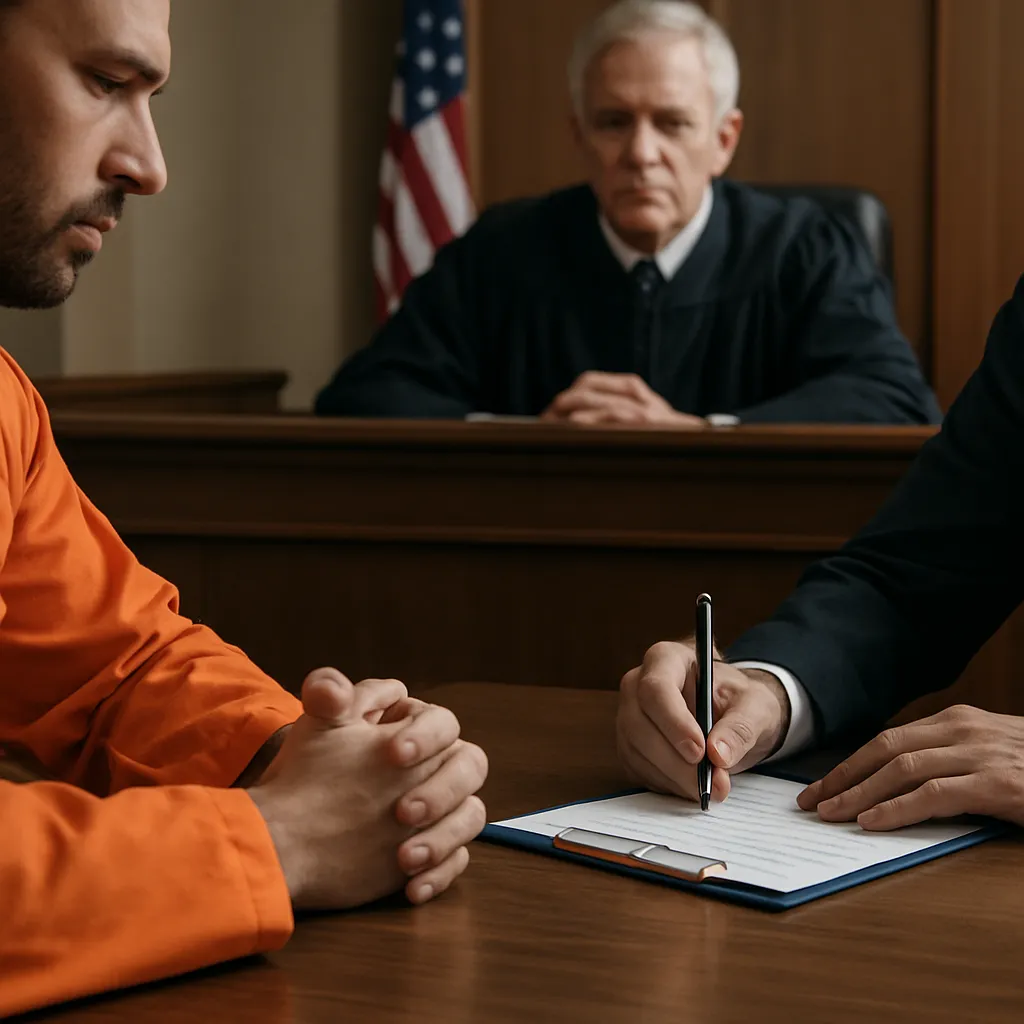
Obstruction of Justice cases pose complex challenges for both defendants and their defense teams. This article examines the crucial aspects that criminal lawyers must consider when navigating charges of obstruction, highlighting the varied penalties, potential defenses, and the importance of strict compliance with investigative procedures.
Understanding the Nature and Scope of Obstruction
Definition and Core Elements
Under federal and state statutes, obstruction of justice generally refers to any act that intentionally interferes with the legal process. This includes actions aimed at impeding an ongoing investigation, trial, or other judicial proceedings. Common behaviors include tampering with witnesses, altering or destroying evidence, and lying to law enforcement agents.
- Willful interference: The defendant must have intentionally performed an act to obstruct a proceeding.
- Relevant proceeding: This can range from grand jury investigations to sentencing hearings.
- Connection to judicial process: The act must have a direct impact on a legal or administrative process.
Statutory Variations Across Jurisdictions
Each jurisdiction may define obstruction differently. Federal law, for instance, is codified in Title 18 of the U.S. Code, Section 1503 et seq., whereas many states have adopted distinct statutes with varying elements and associated penalties. A thorough analysis of the applicable statute is essential in building an effective defense strategy.
Potential Penalties and Sentencing Framework
Federal Penalties
Under federal statutes, obstruction of justice can trigger severe consequences. Penalties may include:
- Imprisonment up to 20 years, depending on the underlying proceeding.
- Fines that can exceed $250,000 for individuals or $500,000 for organizations.
- Restitution orders requiring compensation to affected parties.
- Enhanced sentences in cases involving corruption, terrorism, or other aggravated factors.
Sentencing guidelines consider the nature of the obstructive act, the defendant’s criminal history, and the extent of harm caused to the judicial process.
State-Level Sanctions
State courts may impose prison sentences ranging from one year to more than a decade. Many states also permit probation, community service, or mandatory participation in witness protection programs or counseling services.
Collateral Consequences
Beyond direct punishment, a conviction for obstruction can carry long-lasting collateral effects. These may comprise:
- Loss of professional licenses, particularly in legal, financial, or government roles.
- Damage to reputation, affecting future employment opportunities.
- Immigration consequences for non-citizens, including deportation or inadmissibility.
Defense Strategies for Criminal Lawyers
Challenging the Intent Element
One of the most fruitful avenues is attacking the prosecution’s proof of willfulness. Counsel may argue that the defendant lacked the requisite intent, perhaps due to misunderstanding, miscommunication, or mental incapacity. Demonstrating the absence of specific intent can sometimes lead to a reduced charge or outright dismissal.
Questioning the Link to a Protected Proceeding
Defenses may assert that the alleged action did not actually impede a legally protected proceeding. For example, if a grand jury never convened or a subpoena was improperly served, there may be no valid “ongoing” process to obstruct.
Reliability and Admissibility of Evidence
Counsel should scrutinize all investigative procedures, seeking to exclude evidence obtained in violation of the Fourth Amendment or other constitutional safeguards. If key testimony or documents are suppressed, the prosecution’s case may collapse.
Negotiating Plea Agreements
In many obstruction cases, the government may be open to plea deals that reduce the severity of charges in exchange for cooperation. Defense attorneys can leverage their client’s insider knowledge or willingness to assist in separate investigations, potentially mitigating sentencing outcomes.
Real-World Examples and Jurisdictional Considerations
High-Profile Cases
Several prominent public figures have faced obstruction charges, often stemming from allegations of directing subordinates to provide false statements or concealing incriminating documents. These high-profile prosecutions underscore the federal government’s commitment to safeguarding the integrity of legal processes.
Variations in State Practice
While federal prosecutions often make headlines, state authorities also pursue obstruction aggressively. Some states impose mandatory minimum sentences for tampering with witnesses in domestic violence or sexual assault cases. Awareness of local procedural rules is critical for defense counsel.
Ethical Obligations of Lawyers
Lawyers facing accusations of obstructing justice must contend with separate professional discipline proceedings. Violations of ethical rules—such as knowingly making false statements or assisting in document destruction—can lead to disbarment or suspension by state bar associations.
Compliance and Preventative Measures
Corporate Compliance Programs
Organizations often implement robust compliance frameworks to reduce the risk of obstruction charges. Key components include:
- Regular training on legal obligations and proper document retention.
- Clear reporting channels for employees to disclose misconduct without fear of retaliation.
- Audits to ensure that internal investigations and external disclosures adhere to regulatory standards.
Role of Internal Investigations
When allegations arise, many companies and government agencies launch internal probes. Legal teams must balance thorough fact-finding with the risk of creating a paper trail that might be later construed as obstruction if documentation is selectively withheld or altered.
Best Practices for Individuals
Those facing the prospect of a federal or state inquiry should:
- Seek immediate representation by experienced defense counsel.
- Avoid unilateral actions such as deleting emails or instructing others to remain silent.
- Maintain accurate records and cooperate through formal channels.
By understanding the nuances of obstruction statutes and their potential consequences, both individuals and organizations can better protect their interests and navigate the criminal justice system with confidence.