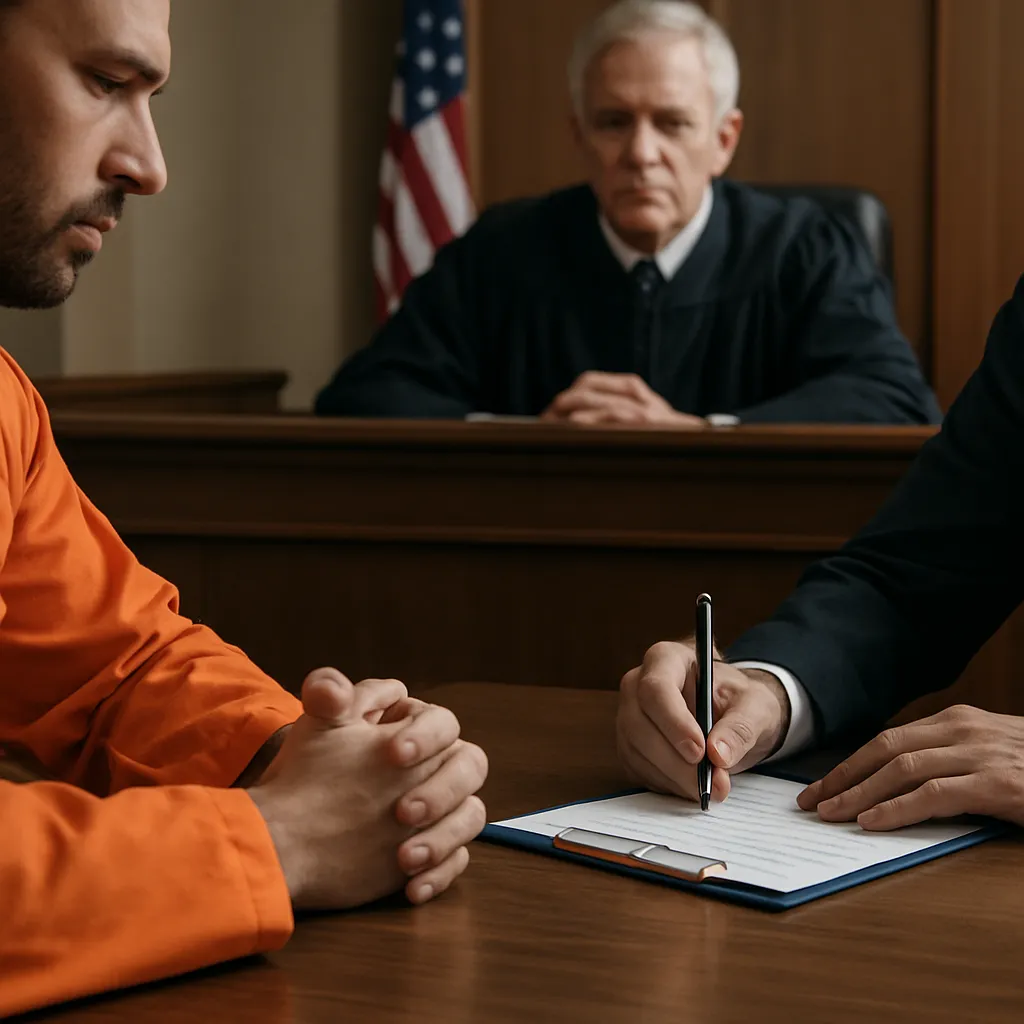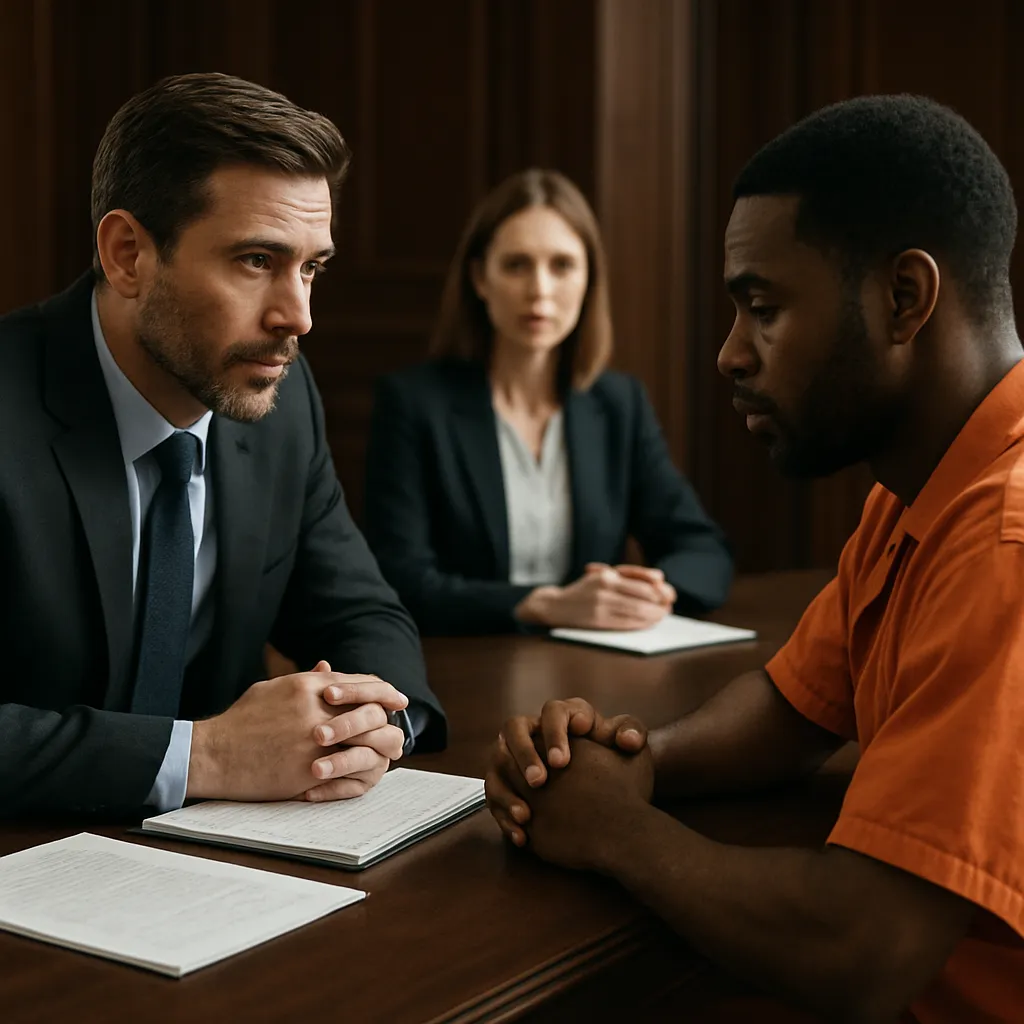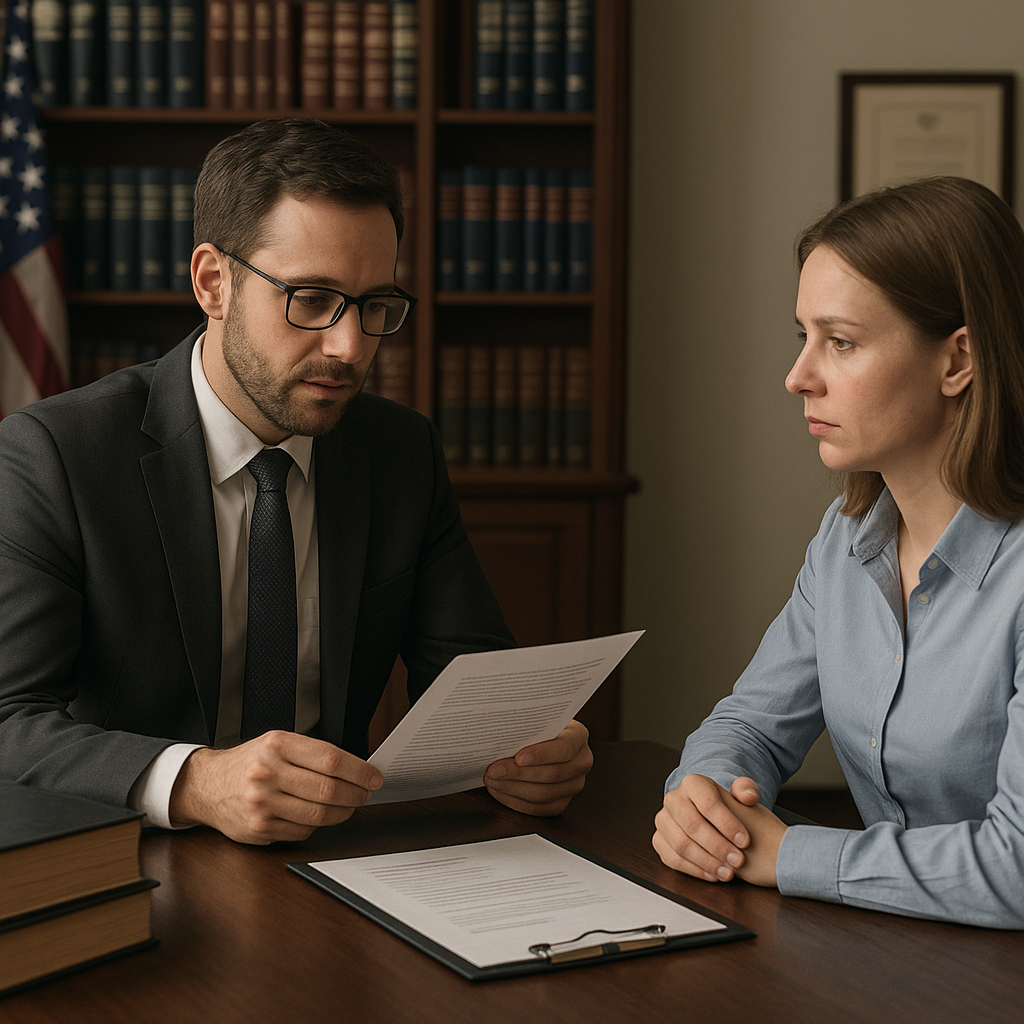
Effective witness preparation often determines the outcome of a criminal trial. By guiding individuals through a structured process, criminal lawyers not only build a persuasive narrative but also bolster the credibility of their case. This article explores the key stages in preparing witnesses, from initial identification to the final courtroom rehearsal, and highlights the methods that defense and prosecution attorneys employ to ensure powerful, reliable testimonies.
Understanding the Role of Witness Preparation
Preparing a witness goes far beyond simply reviewing facts. It involves close attention to psychological, legal, and tactical considerations. Attorneys must anticipate the challenges a witness may face under pressure, as well as possible lines of questioning from opposing counsel. A polished presentation can reduce the risk of damaging inconsistencies and guard against surprises during cross-examination. Preparing a witness thoroughly also serves to build rapport between lawyer and client, fostering trust and confidence.
Early Case Analysis and Witness Identification
Reviewing Evidence and Documentation
Lawyers start by examining police reports, forensic findings, and any available surveillance footage. This process allows them to pinpoint relevant facts and identify contradictions or open issues. By mapping out the timeline of events, attorneys can guide witnesses in focusing on critical details rather than extraneous information. Highlighting these key moments in advance helps witnesses deliver concise, consistent evidence.
Evaluating Witness Credibility
Not all witnesses have the same level of reliability. Attorneys assess each individual’s background, past statements, and potential biases. A witness with a criminal record or personal connection to the case may require specific strategies to maintain credibility. Lawyers must also consider cultural factors and language barriers, ensuring that communication remains clear and that any necessary interpreters are prepared. This meticulous vetting process is indispensable for preserving the integrity of testimony.
Strategic Interview Techniques
Building Rapport
Establishing a comfortable environment encourages witnesses to open up. Attorneys use active listening and empathetic questioning to put individuals at ease. A friendly tone, combined with clear explanations of legal terminology, helps demystify the courtroom process. Once the witness feels supported, they’re more likely to provide honest and comprehensive answers rather than defaulting to evasive or rehearsed responses.
Open-Ended vs Closed Questions
Choosing the right question type is crucial. Open-ended questions (“Tell me what happened…”) invite detailed recollections, while closed questions (“Did you see the defendant?”) confirm or disprove specific points. Attorneys balance these formats to construct a coherent narrative without leading the witness or inadvertently introducing inaccuracies. Stressing truthful recollection over perfect storytelling ensures that the testimony remains authentic.
- Do encourage spontaneous descriptions.
- Do avoid suggesting answers or interpretations.
- Do clarify unclear or ambiguous statements.
- Don’t overwhelm with legal jargon.
- Don’t rush the interview process.
Mock Examinations and Rehearsals
Simulating Cross-Examination
Rehearsals mimic the high-pressure environment of the courtroom. Lawyers and their colleagues play the role of opposing counsel to test the witness’s reactions under rapid-fire questioning. This exercise not only helps witnesses anticipate tough inquiries but also teaches them strategies to remain calm and collected. Techniques such as pausing before answering and asking for clarification can defuse argumentative or confusing lines of questioning.
Feedback and Refinement
After each mock session, attorneys provide constructive feedback. They highlight strong responses and point out areas needing improvement—whether it’s avoiding filler words, maintaining eye contact, or structuring answers more coherently. Repeated rehearsals reinforce confidence and help witnesses internalize key points. This iterative process is vital for refining delivery and ensuring that testimony aligns with the overarching case strategy.
Handling Sensitive and Emotional Testimonies
Emotional Support and Coaching
Witnesses often recount traumatic events, which can trigger anxiety or distress. Lawyers equipped with basic counseling skills can offer comfort, explain coping mechanisms, and create a safe space for discussion. In some cases, a mental health professional is brought in to prepare the witness emotionally. By addressing these concerns proactively, attorneys minimize the risk of emotional breakdowns in court and help maintain the witness’s composure.
Admissibility and Legal Constraints
Certain statements or methods of questioning can jeopardize admissibility. Attorneys must ensure compliance with rules governing hearsay, privileges, and expert testimony. They meticulously review wording to avoid the introduction of impermissible evidence or speculative assertions. When handling sensitive material, counsel also prepares motions in limine to preempt objections and clarify evidentiary boundaries before trial begins.
Final Preparation Before Trial
Documenting Key Testimony Points
In the days leading up to trial, lawyers provide witnesses with written outlines emphasizing crucial facts, timelines, and permissible responses. These outlines serve as memory aids without turning into scripts, which could backfire if perceived as coached by the court. The documentation often includes reminders about courtroom etiquette—dressing appropriately, addressing the judge as “Your Honor,” and speaking loudly and clearly.
Coordination with Co-Counsel and Experts
Complex cases may involve multiple witnesses and expert testimony. Attorneys hold strategy sessions to align all testimonies, ensuring that each witness’s narrative dovetails seamlessly with forensic analysis, medical reports, or financial audits. This collaborative approach prevents conflicting statements and underscores the trial team’s cohesion. Co-counsel and technical experts rehearse together to present a unified front that bolsters the case’s persuasive power.
Maintaining Ethical Standards
Throughout the preparation process, lawyers must adhere to ethical rules. They avoid any form of undue influence or coaching that could distort a witness’s recollection. Transparency with clients about the boundaries of witness preparation fosters trust and prevents allegations of misconduct. Upholding professional integrity not only preserves the lawyer’s reputation but also safeguards the judicial process.
Conclusion
Effective witness preparation is a multifaceted endeavor that demands legal acumen, psychological insight, and strategic foresight. By thoroughly analyzing the case, employing targeted interview techniques, conducting realistic rehearsals, and coordinating closely with experts, criminal lawyers optimize the impact of witness testimony. These efforts create a powerful, credible narrative that can significantly influence the course of justice.