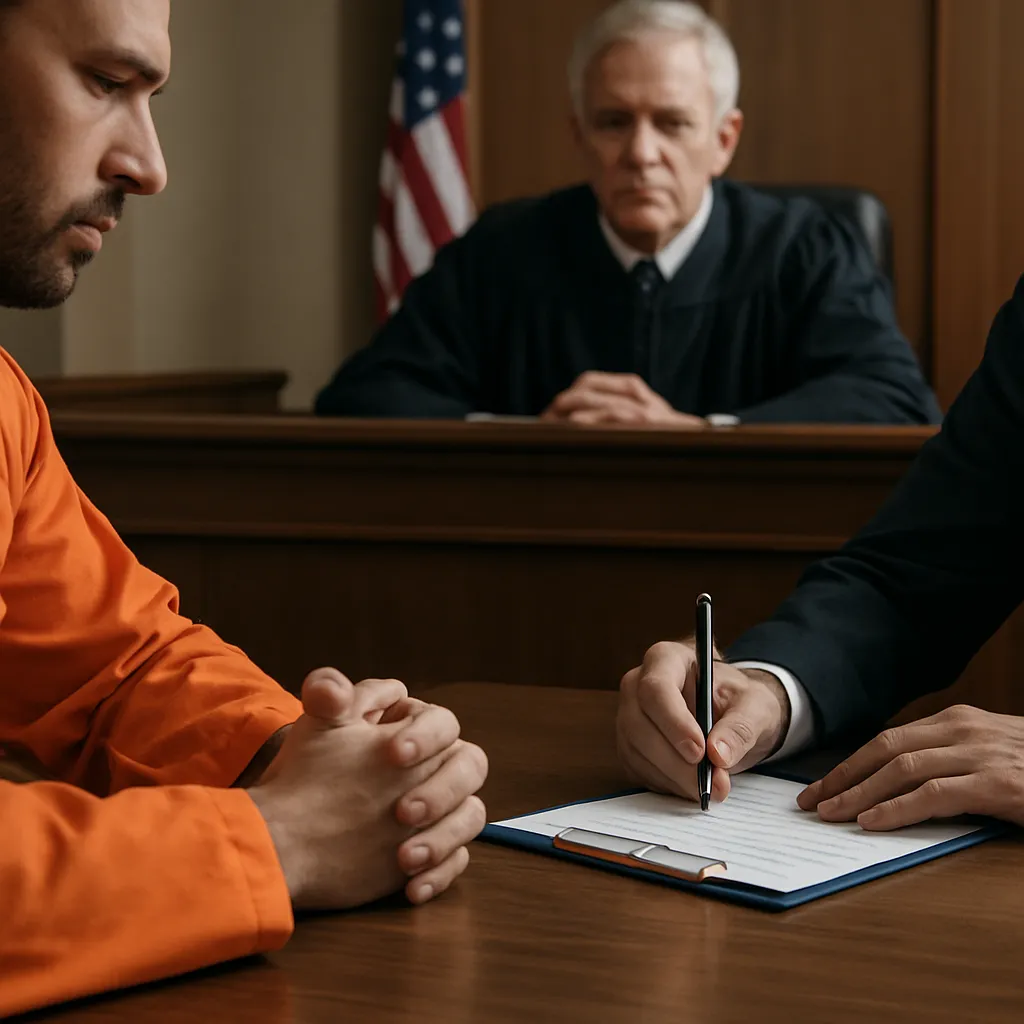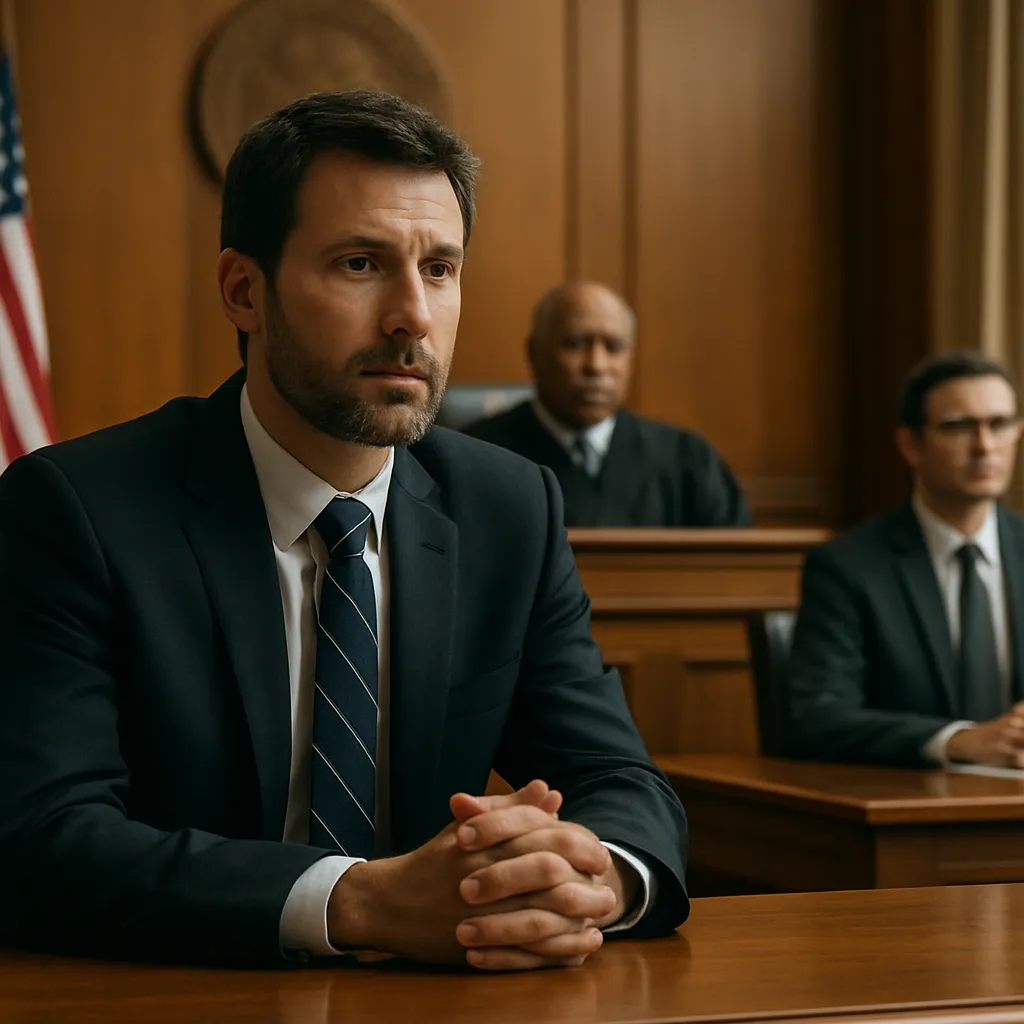
The criminal justice system relies heavily on the vigorous advocacy of defense attorneys to maintain a balance between state power and individual freedoms. A skilled defense counsel works not merely to mitigate punishment, but to safeguard fundamental constitutional rights and ensure that every person receives due process. In a society committed to the rule of law, defense lawyers play an indispensable role in upholding the principles of justice and preserving the dignity of the accused.
The Foundations of Criminal Defense
At its core, criminal defense emerges from several bedrock concepts that define modern jurisprudence. Understanding these foundations is vital to appreciating how defense counsel protect civil liberties.
Presumption of Innocence
The presumption that an individual is innocent until proven guilty forms the cornerstone of criminal law. Without this principle, the state could arbitrarily deprive citizens of liberty. Defense attorneys champion the presumption of innocence by:
- Challenging insufficient or prejudicial evidence
- Ensuring that law enforcement follows legal standards in collection and interrogation
- Advocating for fair jury instructions
Right to Legal Representation
An accused person’s right to counsel guarantees that individuals—regardless of their financial standing—have professional guidance. Defense lawyers secure this right by:
- Filing motions to appoint public defenders for indigent clients
- Educating defendants about plea bargains and trial options
- Developing trial strategies that reflect each client’s unique circumstances
Protection Against State Overreach
Defense counsel act as a vital check on government agencies that might otherwise exceed their authority. Attorneys in criminal cases:
- File motions to suppress evidence obtained through unlawful searches
- Assert challenges to excessive bail and unlawful detention
- Vigorously oppose coerced confessions or witness intimidation
Challenges and Strategies in Modern Defense Practice
Criminal defense attorneys confront diverse and evolving obstacles. Technological advances, public sentiment, and legislative changes all impact how counsel protect civil liberties in courtrooms nationwide.
Technological Evidence and Digital Rights
As digital data permeates investigations, defense lawyers must master new domains:
- Analyzing metadata from smartphones, social media, and wearables
- Challenging government access to encrypted communications
- Safeguarding clients’ privacy rights when prosecutors seek vast electronic records
Public Perception and Media Influence
High-profile cases often involve intense media scrutiny, which can jeopardize a defendant’s right to an impartial jury. Effective strategies include:
- Requesting change of venue to achieve a fair trial environment
- Filing gag orders to limit prejudicial information leaks
- Crafting public statements that protect the client’s reputation
Legislative Trends and Mandatory Sentencing
Rigid sentencing laws can reduce judicial discretion and undercut the defense attorney’s ability to negotiate fair outcomes. Lawyers must:
- Identify constitutional challenges to mandatory minimums
- Argue for alternative sentences based on rehabilitation prospects
- Collaborate with advocacy groups pushing for sentencing reform
The Impact of Defense Advocacy on Civil Liberties
Beyond individual cases, defense attorneys shape the broader legal landscape. Their persistent efforts contribute to significant safeguards for society at large.
Precedent-Setting Decisions
Through appellate work, defense counsel can secure landmark rulings that reinforce equality and limit governmental power:
- Supreme Court cases that redefine search-and-seizure thresholds
- Appellate victories affirming the right against self-incrimination
- Landmark decisions on fair jury selection practices
Promoting Accountability in Law Enforcement
By exposing misconduct, defense lawyers encourage reform and transparency:
- Documenting improper police tactics for public record
- Pursuing civil suits when criminal charges fail to address systemic issues
- Working with oversight bodies to refine training and protocols
Ensuring Access to Justice
True protection of civil liberties requires that all defendants receive competent advocacy. Defense attorneys support access by:
- Volunteering in pro bono initiatives for underserved communities
- Training future lawyers in principles of legal representation
- Partnering with public defender organizations to reduce caseload burdens
Emerging Areas of Defense Practice
The future of criminal defense will include new frontiers where counsel must remain vigilant to uphold individual freedoms.
Artificial Intelligence in Criminal Investigations
As law enforcement adopts AI for predictive policing and facial recognition, defense teams will need to:
- Question the reliability and bias of algorithmic methods
- Demand transparency in machine learning processes
- Work with data scientists to uncover errors and protect human dignity
Environmental and Regulatory Crimes
Expanding environmental statutes create criminal liability for corporations and individuals alike. Defense attorneys in this field:
- Interpret complex regulatory frameworks
- Assess scientific evidence and expert testimony
- Balance corporate interests with broader public welfare
Cross-Border and Cybercrime Defense
Globalization and the internet have blurred jurisdictional lines. Counsel must:
- Navigate extradition laws and international treaties
- Dispute evidence obtained by foreign authorities
- Coordinate with counsel in multiple countries to defend clients’ rights
The Defender’s Ethical Obligations
Regardless of the complexities, defense lawyers adhere to strict ethical standards that underpin the legitimacy of the justice system.
Confidentiality and Client Trust
Maintaining attorney–client privilege is essential. Lawyers must:
- Safeguard sensitive communications from unauthorized disclosure
- Explain the limits of confidentiality in cases of future crimes
- Ensure informed consent before any strategic decision
Zealous Advocacy Within the Law
Defenders must vigorously pursue their clients’ interests without violating statutes or court rules:
- Rejecting any form of dishonesty or subterfuge
- Adhering to professional conduct codes
- Balancing aggressive defense with respect for judicial integrity
Declining Representation when Necessary
Ethical practice sometimes requires withdrawal if conflicts arise:
- Recognizing potential biases that compromise accountability
- Advising clients to seek alternate counsel for specialized matters
- Maintaining the dignity of both client and profession