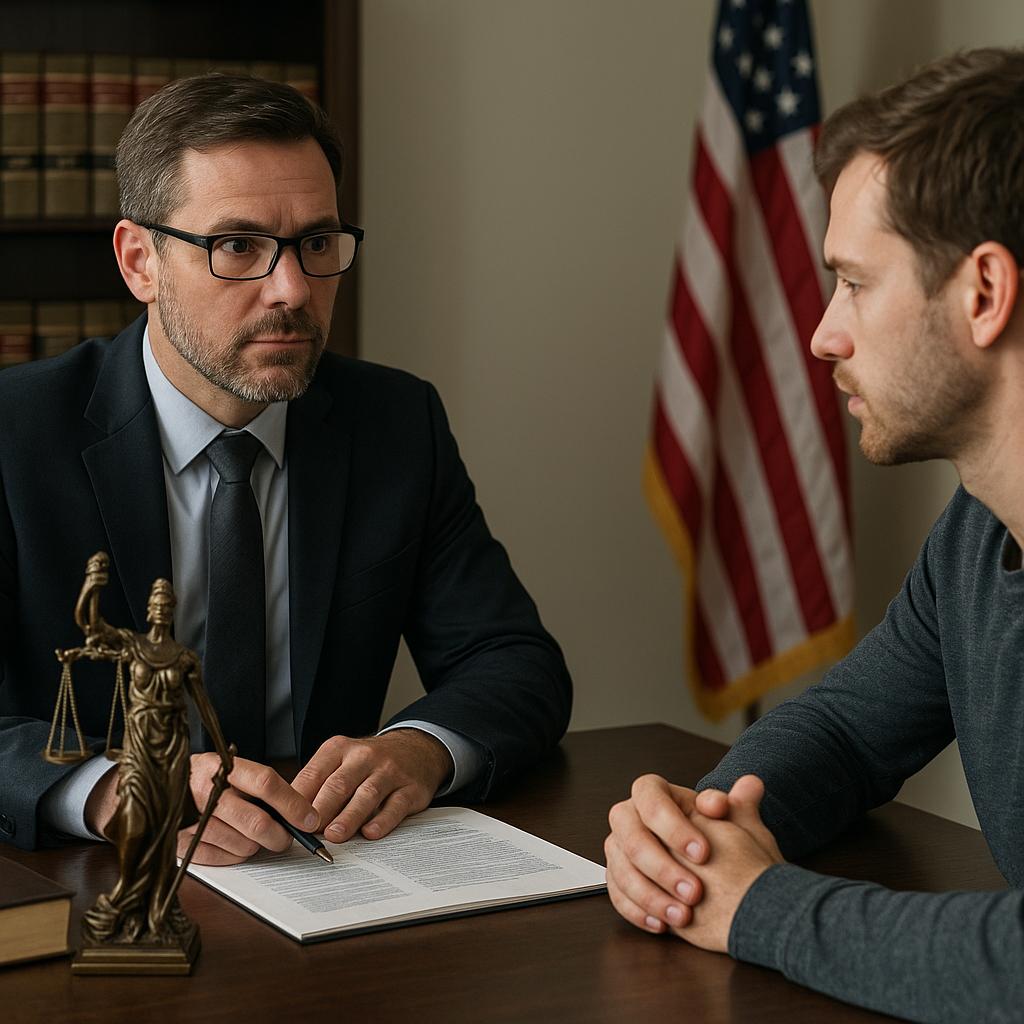
In criminal litigation, the journey from arraignment to verdict is fraught with challenges that test a lawyer’s skill, poise, and command over the process. A defense attorney’s ability to secure favorable outcomes hinges on the careful cultivation of credibility in the eyes of judges, jurors, and opposing counsel. By weaving together meticulous preparation, polished courtroom presence, and unwavering ethical conduct, criminal lawyers can elevate their standing and influence the trajectory of complex cases.
Establishing Trust Through Professionalism
At the foundation of every successful defense is a reputation built on unwavering professionalism. When a lawyer enters the courtroom, the judge’s first impression can set the tone for every subsequent interaction. Arriving prepared, dressed appropriately, and armed with concise, well-organized briefs demonstrates respect for the legal process and underscores an attorney’s commitment to the client’s cause.
Key elements to bolster that initial trust include:
- Courteous interactions with courtroom staff and opposing counsel
- Prompt filings of motions and timely responses to discovery requests
- Clear and accurate communication regarding case status
By upholding these standards, lawyers reinforce their reputation as reliable advocates. Judges, who handle heavy dockets and tight schedules, come to recognize consistently dependable attorneys and often allow them greater latitude in procedural matters.
Mastering Legal Knowledge and Preparation
In criminal defense, no substitute exists for thorough preparation. Mastery of statutory provisions, appellate decisions, and jurisdiction-specific rules of evidence empowers attorneys to anticipate prosecution strategies and counter them effectively. Case preparation frequently involves:
- Comprehensive review of police reports, witness statements, and forensic data
- Legal research on analogous cases and emerging constitutional issues
- Drafting detailed outlines for opening statements, witness examinations, and closing arguments
Attorneys who delve deeply into legal texts and factual nuances are better positioned to exploit procedural missteps, challenge inadmissible evidence, and craft persuasive legal theories. Such diligence not only improves case outcomes but also cements a lawyer’s status as an authoritative figure in criminal practice.
Articulating Persuasive Courtroom Advocacy
When a case proceeds to trial, the spotlight falls on a lawyer’s oratory skills and courtroom demeanor. Effective advocates harness powerful storytelling techniques to humanize clients and simplify complex legal issues for jurors. Key advocacy tactics include:
- Opening Statements: Framing the narrative around themes of innocence, reasonable doubt, or mitigating circumstances
- Direct and Cross-Examinations: Asking concise, targeted questions to extract favorable testimony and expose inconsistencies in the opposition’s story
- Closing Arguments: Synthesizing witness accounts, physical evidence, and legal standards into a coherent, emotionally resonant appeal
Beyond verbal fluency, communication extends to nonverbal cues: maintaining steady eye contact, modulating tone, and using purposeful gestures. These subtleties enhance persuasiveness and signal confidence, reinforcing the lawyer’s overall expertise to the trier of fact.
Leveraging Evidence and Expert Witnesses
High-stakes criminal cases often turn on forensic analyses and technical demonstrations. Securing the testimony of qualified experts in fields such as ballistics, DNA, digital forensics, or psychological evaluation can tip the scales in a client’s favor. Best practices include:
- Early identification of evidentiary gaps and potential expert needs
- Rigorous vetting of expert credentials and trial experience
- Collaborative preparation sessions to align expert insights with the defense theory
Presenting clear, credible demonstrations—whether through visual exhibits or live testimony—reinforces the attorney’s strategy and bolsters juror confidence in the defense narrative. Objectively presented scientific data carries substantial weight and can dismantle prosecution assertions piece by piece.
Upholding Ethical Standards
Integrity remains the cornerstone of legal practice. Adherence to professional codes of conduct preserves the government’s trust and safeguards the lawyer’s standing before the court. Ethical considerations include:
- Avoiding conflicts of interest and maintaining client confidentiality
- Refraining from knowingly presenting false testimony or fabricated evidence
- Ensuring transparency with clients regarding potential risks and realistic outcomes
By championing ethics at every juncture, criminal lawyers reinforce judicial faith in their motives. Judges are more inclined to credit attorneys who demonstrate principled advocacy, allowing them to call favorable witnesses or introduce crucial motions without undue skepticism.
Continuous Learning and Peer Engagement
Legal landscapes evolve rapidly, driven by new legislation, precedent-setting decisions, and technological advancements. Attorneys who invest in ongoing professional development—through bar association seminars, specialized certifications, and moot court competitions—maintain an edge over less proactive counterparts. Furthermore, active participation in peer networks, including litigation support groups and online forums, fosters the exchange of tactics and best practices.
Such collaborative environments encourage reflection on challenging cases, spark innovative solutions, and reinforce a sense of community. This collective wisdom often translates into heightened personal confidence and improved courtroom performance.
Building Long-Term Client Relationships
Beyond trial victories, sustainable success in criminal law depends on cultivating lasting trust with clients. From the first consultation, attorneys should demonstrate genuine empathy and patience, addressing concerns about jail time, collateral consequences, and public stigma. Clear fee structures, candid advisories on plea negotiations, and proactive updates on case developments foster client loyalty and generate positive referrals.
Maintaining this high level of client care signals to judges and opposing counsel that the attorney is both compassionate and well-regarded, further cementing professional standing.