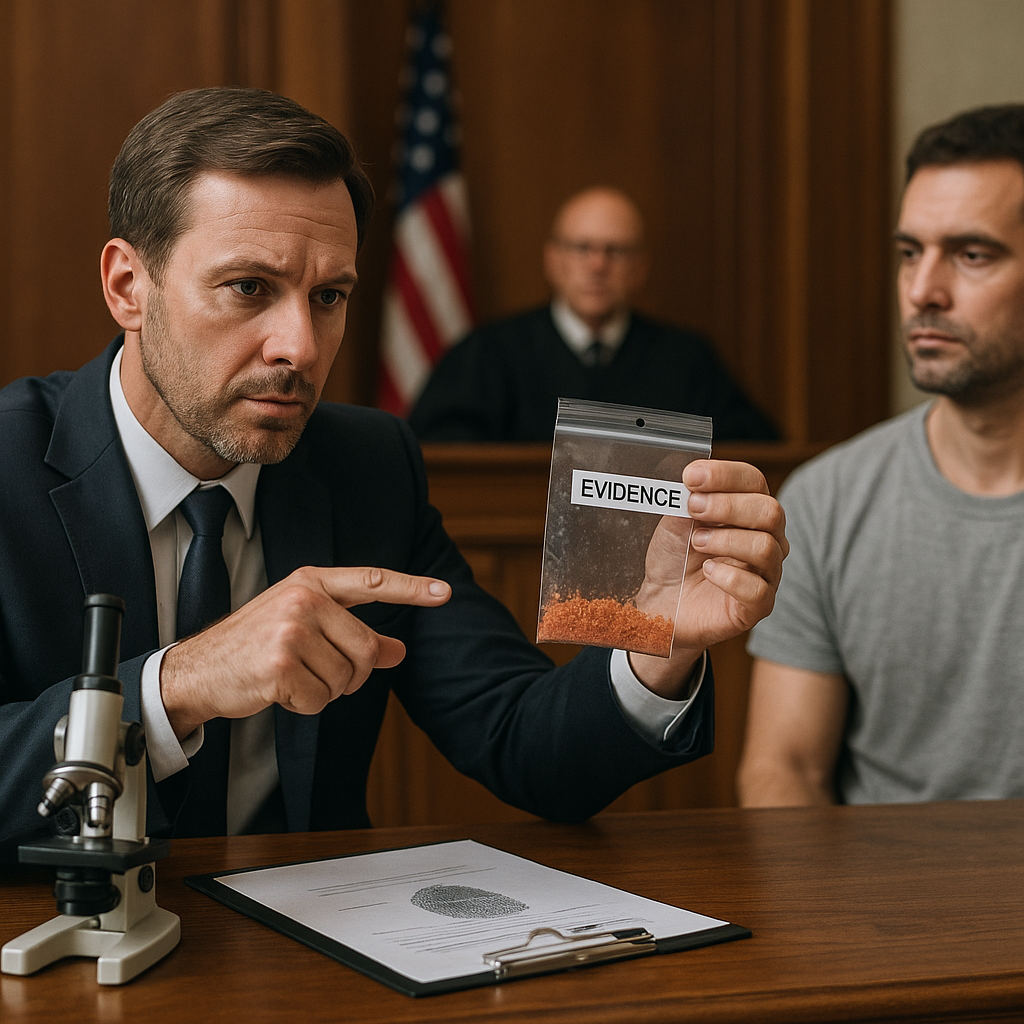
Effective utilization of forensic evidence can make or break a criminal case. This article explores how criminal lawyers integrate scientific findings into their practice, from initial evidence collection to persuasive courtroom strategies. Through a deep dive into methodology, expert collaboration, and tactical application, readers will gain insight into the critical role of forensic science in modern criminal defense.
Gathering and Preserving Forensic Evidence
Initial Crime Scene Assessment
Upon arrival at a crime scene, defense counsel often reviews police reports and photos to identify potential forensic issues. It’s essential to scrutinize whether investigators followed proper protocols. Any lapse in crime scene processing, such as contamination of blood spatter or mishandling of physical objects, can become a focal point in undermining the prosecution’s argument. Lawyers work with consultants to reconstruct how evidence was collected, ensuring every step maintains credibility.
Chain of Custody Preservation
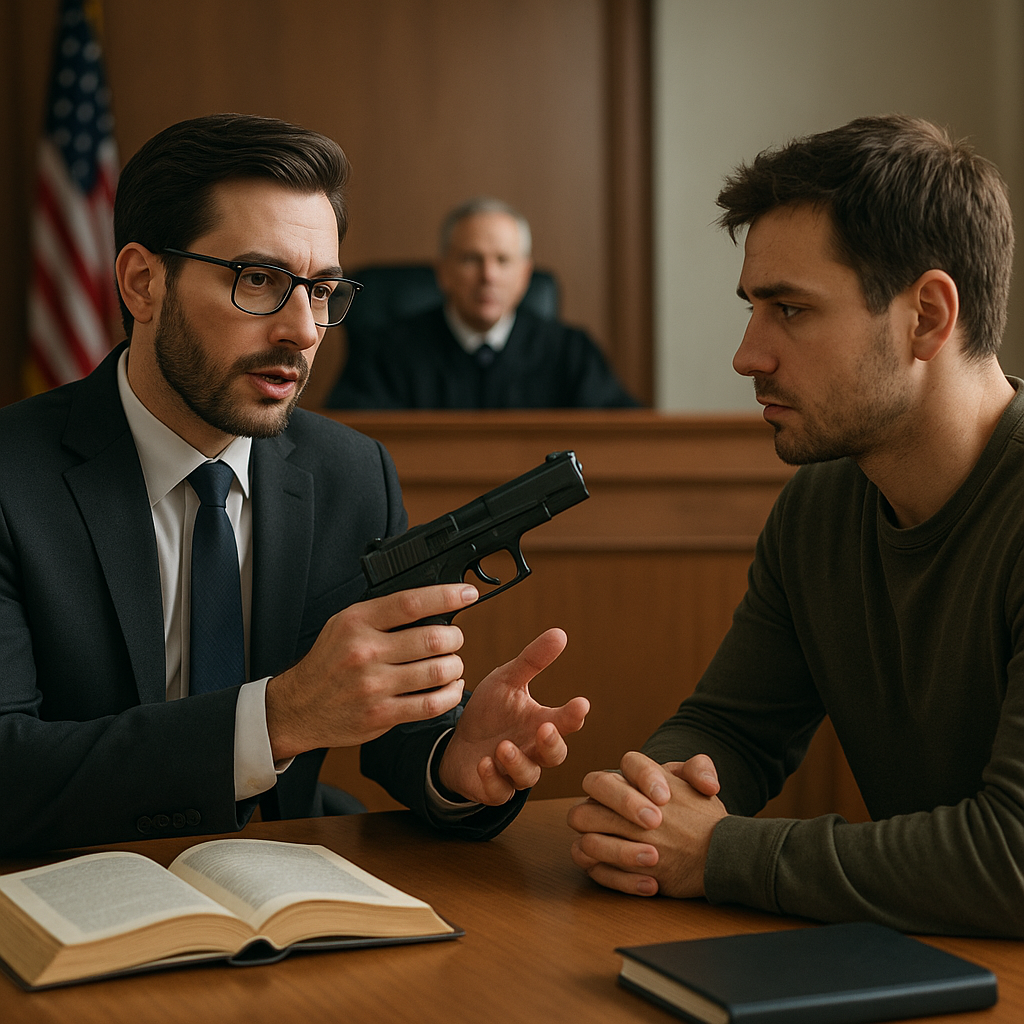
A robust chain of custody log tracks each item from its discovery to its presentation at trial. Defense attorneys meticulously review documentation for gaps or irregularities—unexplained transfers, mislabeled items, or missing signatures. Identifying these weaknesses allows lawyers to challenge the admissibility of key exhibits, potentially excluding critical items like seized weapons or clothing with bloodstains.
- Verify date and time stamps on evidence reports
- Cross-examine officers about storage conditions
- Request lab intake and analysis protocols
Analyzing Forensic Reports
Understanding Scientific Methodologies
Defense teams must grasp technical aspects of laboratory procedures to spot flaws. Whether the analysis involves DNA profiling, toxicology, or digital forensics, knowing the limits of each technique is vital. For example, low-template DNA testing may yield stochastic effects, raising questions about the reliability of a match. Lawyers consult peer-reviewed literature to prepare targeted questions, ensuring that the court comprehends the margin of error inherent in each test.
Evaluating DNA, Fingerprints, and Ballistics
Comparative analyses such as fingerprint matching or ballistics linking require expert validation. Criminal lawyers scrutinize whether proper controls were used, whether databases were current, and whether algorithms for similarity scoring were validated. In high-profile cases, defense counsel may commission independent laboratory retests, comparing results to the original findings to expose discrepancies.
- Assess sensitivity and specificity of tests
- Review instrument calibration logs
- Analyze software version and update history
Leveraging Expert Witnesses
Selecting Qualified Experts
Engaging a forensic expert with strong credentials is a strategic imperative. Lawyers look for professionals whose publications, memberships in scientific societies, and courtroom experience bolster their credibility. Experts in disciplines such as forensic pathology, digital forensics, or trace evidence bring specialized insight. Their testimony can illuminate complexities that jurors or judges might otherwise misunderstand.
Effective Cross-Examination Techniques
During cross-examination, criminal lawyers challenge assumptions and expose uncertainties. By probing an expert’s training, case history, and potential biases, counsel can erode the weight of their testimony. Key tactics include:
- Questioning the statistical basis for conclusions
- Highlighting deviations from accepted protocols
- Demonstrating gaps in the expert’s literature awareness
Attacking an expert’s methodology or credentials can lead to partial or full exclusion of their opinions under standards like Daubert or Frye, depending on jurisdiction.
Strategic Application in Court
Building a Persuasive Defense
Integrating forensic findings into a coherent narrative is an art. Defense teams craft storylines that align scientific evidence with alibis, witness statements, and alternative explanations. They may argue that DNA found at the scene originated from contamination or secondary transfer, or propose that a fingerprint match resulted from improper database thresholds. Such strategies require seamless coordination between legal arguments and forensic insights, ensuring that every piece of evidence supports the overarching defense strategy.
Mitigating Prosecution Evidence
Defense attorneys often file pretrial motions to exclude or limit forensic evidence. By demonstrating fundamental flaws—whether in sample handling, laboratory accreditation, or interpretive techniques—they restrict the scope of what jurors can consider. Even if certain evidence is admitted, counsel can introduce counter-experts to offer alternative interpretations, diluting the prosecution’s case and creating reasonable doubt.
- File motions in limine challenging admissibility
- Produce rebuttal experts with opposing methodologies
- Emphasize reasonable doubt through juror-friendly terms
Ethical Considerations and Best Practices
Maintaining Professional Integrity
While aggressive defense tactics are standard, criminal lawyers must adhere to strict ethical rules. Misrepresentation of scientific findings or intimidation of experts can lead to sanctions. Counsel must balance zealous advocacy with honesty, ensuring that any challenges to forensic evidence are grounded in legitimate scientific disputes.
Continuous Education and Collaboration
Forensic science evolves rapidly, with emerging fields like digital forensics and advanced bioinformatics reshaping criminal investigations. Lawyers stay ahead by attending workshops, earning certifications, and forging partnerships with university labs. This ongoing learning helps defense teams identify novel defense angles and maintain proficiency in cross-examining cutting-edge techniques.
- Attend interdisciplinary seminars
- Subscribe to forensic science journals
- Participate in professional legal-forensic networks