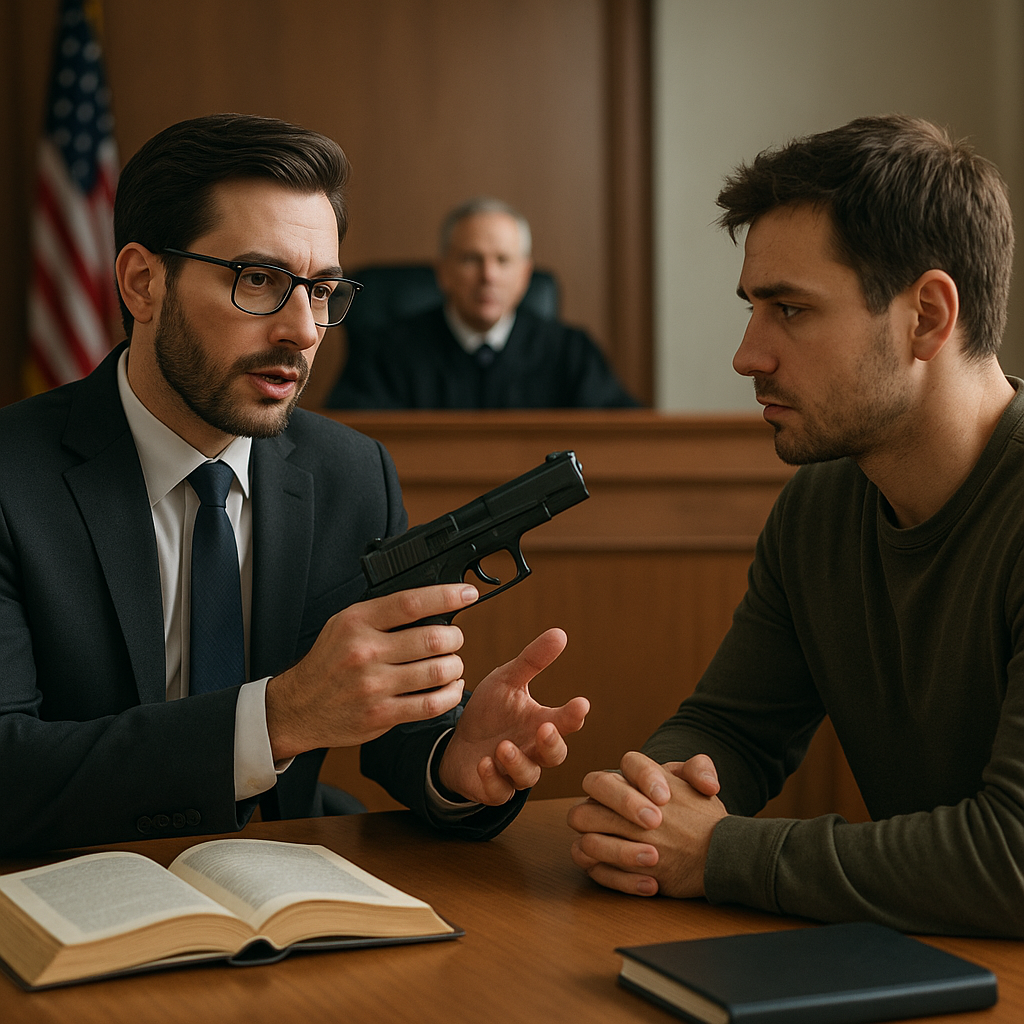
Facing a **courtroom** for the first time can be an intimidating experience. Proper **preparation** not only eases anxiety but also has a profound impact on the outcome of your case. Whether you are a **defendant**, a witness, or a victim seeking justice, understanding the legal process and collaborating closely with your **attorney** ensures you present yourself effectively. This guide offers practical steps to help you navigate each stage, from gathering **evidence** to mastering your **demeanor** under scrutiny.
Understanding the Legal Process
Before stepping into the **courtroom**, it is crucial to familiarize yourself with the structure and flow of criminal proceedings. Knowledge of courtroom protocol gives you confidence and prevents inadvertent mistakes.
Stages of a Criminal Case
- Arraignment: You are formally charged, advised of your **rights**, and asked to enter a plea.
- Pretrial Motions: Your lawyer may file motions to exclude **evidence**, challenge jurisdiction, or request dismissal.
- Discovery: Both prosecution and defense exchange information, including witness lists and document requests.
- Plea Negotiations: Potential resolution without trial, where you may plead guilty in exchange for reduced charges or sentencing.
- Trial: Presentation of evidence, witness testimony, and legal arguments before a judge or jury.
- Sentencing: If convicted, the judge imposes punishment based on guidelines, case facts, and any mitigating factors.
The Role of the Judge and Jury
In jury trials, the judge ensures procedural compliance and instructs the jury on legal standards. The jury determines factual issues based on the **evidence** presented. In bench trials, the judge fulfills both roles. Always address the judge as “Your Honor” and refrain from direct eye contact with jurors.
Collaborating with Your Attorney
Your criminal lawyer is your advocate and guide. Establishing a strong, open relationship is vital to crafting a solid **strategy** and ensuring that your **confidentiality** is maintained throughout the process.
Initial Consultation and Case Assessment
During your first meeting, provide your attorney with an honest and detailed account of events. Bring any relevant documents—police reports, witness statements, or correspondence. This transparency allows your lawyer to:
- Evaluate the strengths and weaknesses of your case.
- Identify potential legal defenses and unique legal issues.
- Outline a roadmap for **preparation**, including timelines and key tasks.
Communication and Updates
Agree on a communication plan—whether by phone, email, or in-person meetings. Promptly respond to your attorney’s requests to review **documents**, sign forms, or attend hearings. Consistent updates prevent last-minute surprises and reinforce **professionalism**.
Fee Structure and Billing
Clarify billing methods at the outset. Criminal lawyers may charge a flat fee, hourly rate, or a combination. Ask for estimates on additional expenses, such as expert witness fees or transcript costs. A clear understanding avoids disputes and ensures funds are allocated where they matter most.
Preparing Evidence and Documentation
Evidence forms the backbone of any criminal proceeding. Meticulous assembly and organization of all relevant materials give your attorney the tools to challenge the prosecution’s case and substantiate your defense.
Gathering Key Documents
Collect and categorize:
- Police Reports: Compare different versions for consistency.
- Witness Statements: Obtain written or recorded affidavits when possible.
- Physical Evidence: Photographs, videos, or objects linked to the incident.
- Medical Records: If injuries or mental health factors are relevant.
- Correspondence: Emails, texts, or letters that shed light on the issue.
Exhibits and Demonstrative Aids
Visual aids can clarify complex points for a jury or judge:
- Timelines that map key events.
- Photographic enlargements or annotated diagrams.
- Charts or graphs showing data trends.
Confirm in advance whether electronic presentations are supported in your courthouse and whether you need to provide multiple copies for opposing counsel and the court clerk.
Witness Preparation
Witness credibility can make or break a case. Work with your attorney to:
- Conduct mock examinations.
- Review potential cross-examination questions.
- Discuss demeanor, attire, and courtroom etiquette.
Encourage witnesses to arrive early and to communicate any concerns or last-minute changes in their availability.
Conduct and Demeanor in Court
Your behavior in the **courtroom** directly influences perceptions of credibility and respect for the process. Demonstrating proper etiquette underscores your seriousness about the matter and bolsters your attorney’s efforts.
Attire and Appearance
Dress conservatively:
- Men: Dark suit, tie, polished shoes.
- Women: Suit or modest dress, minimal jewelry.
A neat appearance signals **professionalism** and respect for the judicial system.
Behavior During Proceedings
- Address the judge as “Your Honor” and attorneys as “Counsel.”
- Avoid interrupting; wait to be recognized before speaking.
- Maintain eye contact with the witness or judge, not the opposing counsel.
- Silence mobile devices and keep personal items out of sight.
- Stand when speaking or when the judge enters and exits the **courtroom**.
Testifying Effectively
If you must testify, follow these guidelines:
- Listen carefully to each question and pause before answering.
- Keep responses concise and avoid volunteering extra information.
- Speak clearly, at a moderate pace, and maintain a calm tone.
- Admit if you do not recall an event, rather than guessing.
- Refrain from arguing with the opposing counsel or showing frustration.
Handling Challenges and Unexpected Developments
No two cases proceed identically. Be prepared for **last-minute** motions, witness cancellations, or evidentiary disputes. Flexibility and trust in your legal team allow you to adapt swiftly.
Managing Stress and Emotions
High-stakes hearings can provoke anxiety. Practice stress-reduction techniques:
- Deep breathing exercises before entering the courtroom.
- Brief mental rehearsals of key points.
- Maintaining a balanced routine, including adequate sleep and nutrition.
Adapting to Procedural Changes
Courts may adjust schedules, combine hearings, or impose new procedural rules. Stay in close contact with your attorney and the clerk’s office to receive immediate updates. Confirm hearing times and courtroom assignments the day before any appearance.
Post-Hearing Steps
After each court session:
- Debrief with your attorney to review what occurred.
- Note any follow-up tasks, such as submitting additional **documents** or locating new witnesses.
- Adjust your strategy based on the judge’s rulings and observations.
Comprehensive preparation for a court appearance involves a multifaceted approach: understanding legal procedures, forging a collaborative relationship with your lawyer, meticulously gathering **evidence**, and displaying unwavering **professionalism** in the **courtroom**. By adhering to these guidelines, you empower your defense, protect your **rights**, and project confidence at every stage of the criminal justice process.