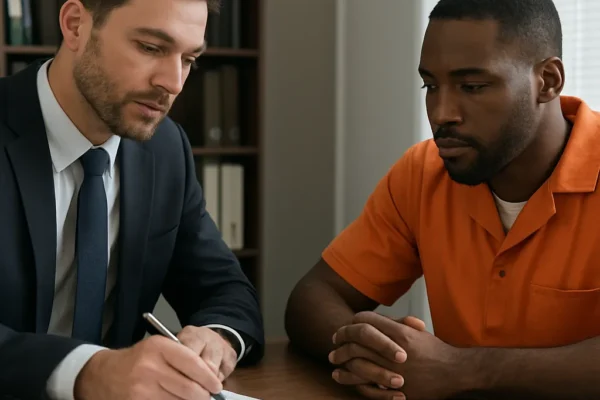
What Rights You Have When You’re Charged With a Crime

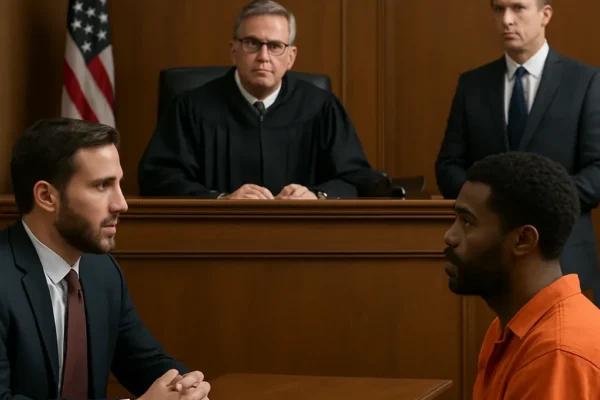
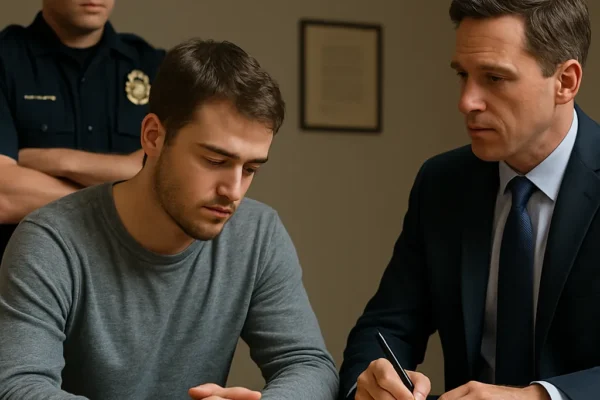
Facing criminal charges can be a frightening experience, but knowing your constitutional protections and legal options is essential. Whether you are under investigation, arrested, or awaiting trial, understanding the rights guaranteed by the Constitution and criminal procedure can help you make informed decisions. This article explores key stages of the criminal process, highlights critical safeguards,…

Read More

What Happens After a Guilty Verdict

After a jury returns a verdict of guilty, defendants enter a critical phase of the criminal process where outcomes and options diverge significantly from the trial itself. This article explores what happens next, examining key stages like sentencing, appeal procedures, motions for new trial, and avenues for post-conviction relief. Armed with sound guidance from experienced…

Read More

The Steps of the Criminal Justice Process

The criminal justice system is a multifaceted mechanism that ensures society’s safety by upholding the rule of law and protecting individual rights. At the heart of this system are dedicated criminal lawyers who navigate complex statutes, advocate for clients, and safeguard constitutional guarantees. Understanding each stage of the process—from investigation to appeal—reveals how attorneys play…

Read More

The Role of Mitigating Circumstances in Sentencing

The Role of Mitigating Circumstances in Sentencing In criminal law, the introduction of mitigating circumstances can profoundly shape the outcome of a trial. These factors serve to temper the strict application of punishment by providing the court with a more nuanced understanding of the defendant’s background, motives, and potential for rehabilitation. By acknowledging these considerations,…

Read More

The Difference Between Pleading Guilty and No Contest

Understanding the choices available to a defendant in a criminal case can be overwhelming. Two of the most common options—pleading guilty and pleading no contest—carry distinct consequences and strategic considerations. Criminal lawyers play a pivotal role in guiding clients through these options, ensuring defendants grasp the stakes before making a binding decision. Understanding Plea Options…

Read More

The Difference Between Criminal Defense and Prosecution

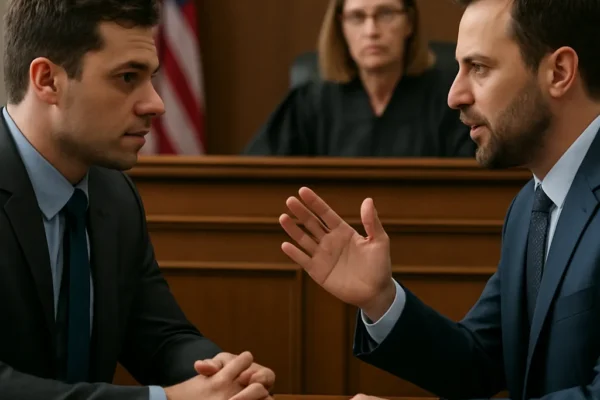
The realms of criminal defense and prosecution are integral pillars of the legal system, each dedicated to upholding justice in distinct yet complementary ways. Attorneys on either side must navigate complex procedures, ethical rules, and strategic considerations to protect rights and secure fair outcomes. This article examines how defense lawyers and prosecutors operate, the responsibilities…

Read More

How Criminal Lawyers Handle White-Collar Crimes

In the intricate realm of financial misconduct, individuals and corporations facing allegations of white-collar wrongdoing rely on seasoned criminal attorneys to navigate a maze of statutes, regulations, and procedural safeguards. The intersection of complex transactions, detailed accounting records, and high-stakes reputational concerns demands a tailored approach, where every decision can shape the outcome of an…

Read More

How Criminal Attorneys Handle Drug-Related Offenses

Criminal attorneys play a vital role in guiding clients through the intricate legal landscape of drug-related offenses. From the moment a suspect is arrested through the final outcome—be it acquittal, plea bargain, or sentencing—skilled lawyers deploy a wide array of tactics to protect their clients’ constitutional rights and strive for the best possible result. Understanding…

Read More