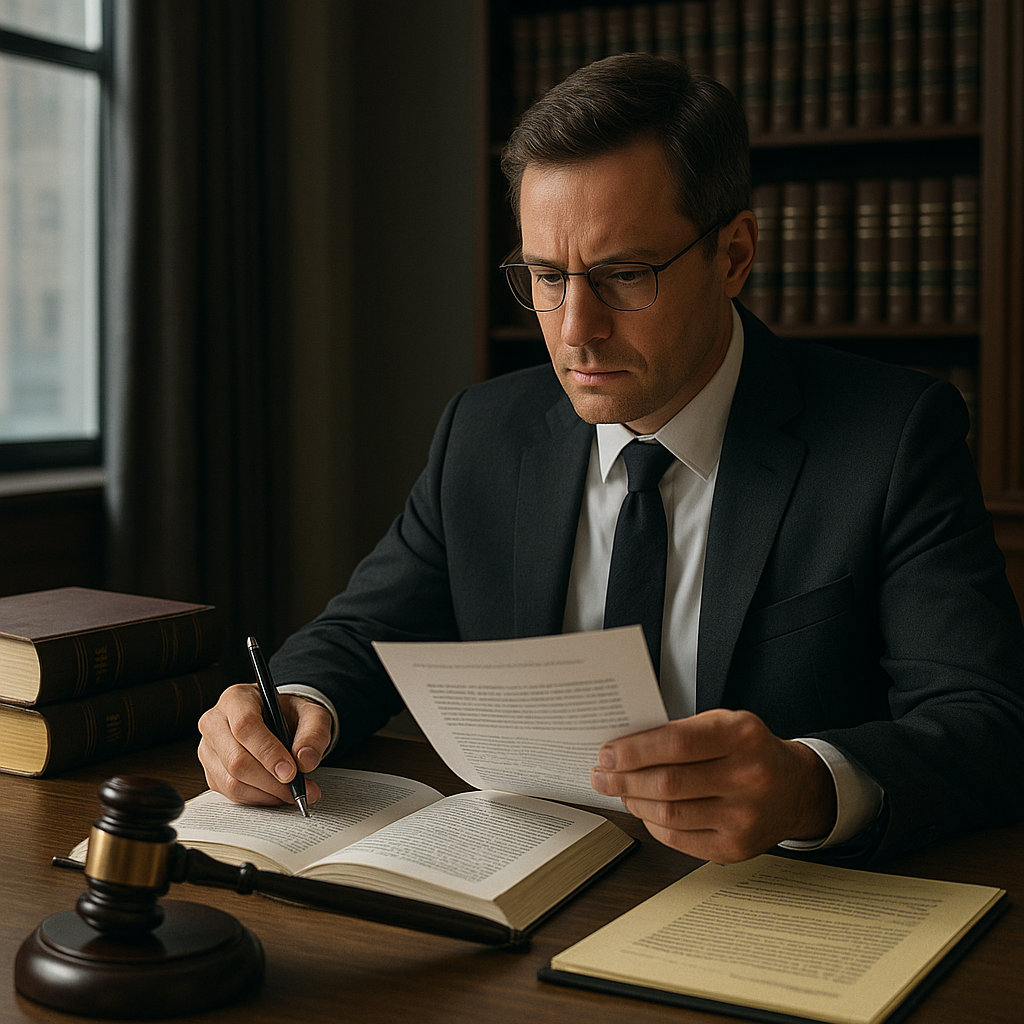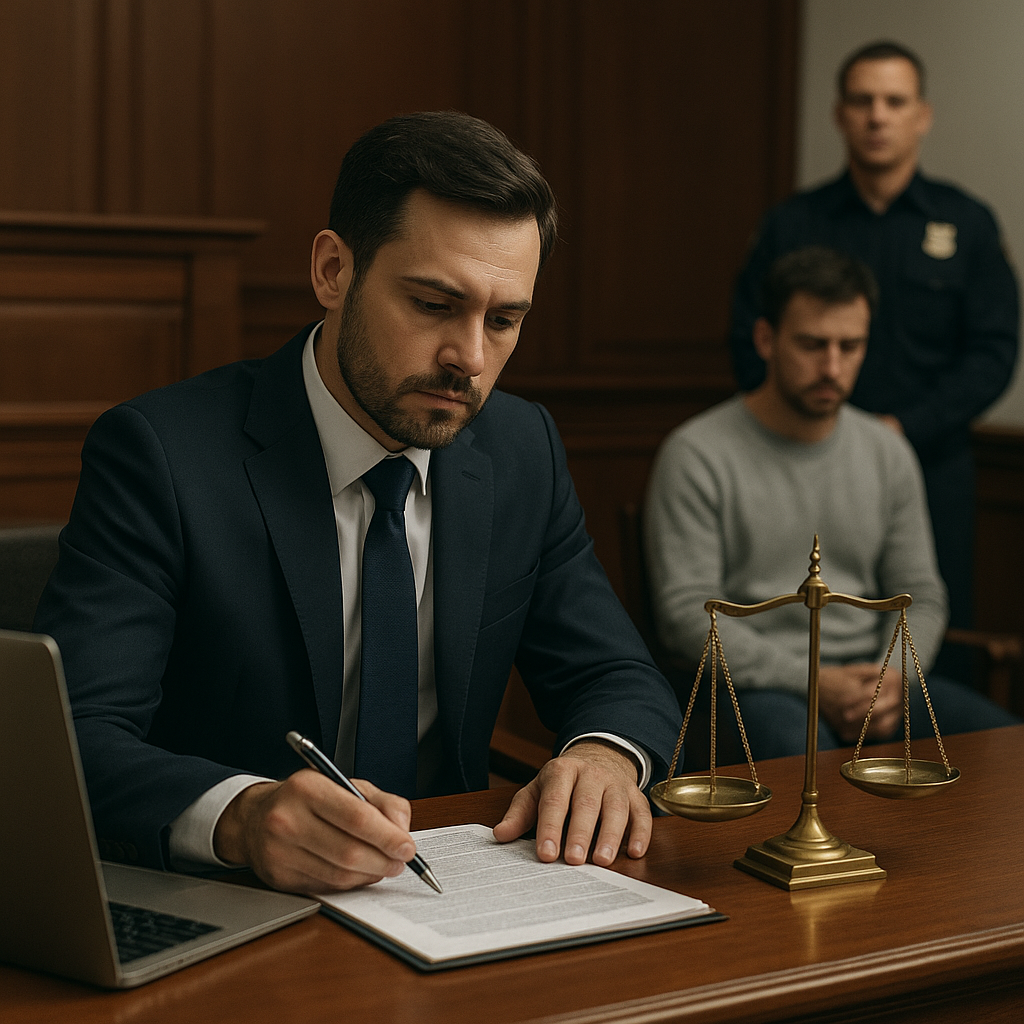
The realms of criminal defense and prosecution are integral pillars of the legal system, each dedicated to upholding justice in distinct yet complementary ways. Attorneys on either side must navigate complex procedures, ethical rules, and strategic considerations to protect rights and secure fair outcomes. This article examines how defense lawyers and prosecutors operate, the responsibilities they shoulder, and the dynamic interplay that shapes every trial.
Understanding the Roles of Criminal Defense and Prosecution
Criminal Defense Attorneys
A defense attorney represents individuals accused of wrongdoing, ensuring they receive a robust and zealous defense. Their primary goal is to challenge the case against their clients, safeguard constitutional protections, and achieve the most favorable resolution possible—be it acquittal, reduced charges, or alternative sentencing. Defense lawyers often engage in the following tasks:
- Conducting thorough investigations to uncover exculpatory evidence.
- Interviewing witnesses and consulting experts to challenge the prosecution’s claims.
- Filing pretrial motions to suppress unlawfully obtained evidence or dismiss charges.
- Negotiating plea deals when appropriate to minimize potential penalties.
- Presenting a compelling narrative to the judge or jury, emphasizing mitigating factors and defendants’ backgrounds.
Prosecutors
A prosecutor, also known as a district attorney or state’s attorney, represents the government and the public interest. Their mandate is to seek conviction of those suspected of criminal activity while ensuring that every defendant receives due process. Prosecutors carefully weigh legal standards, ethical obligations, and community safety concerns when deciding how to proceed. Core prosecutorial functions include:
- Reviewing police reports and other investigative materials to determine whether to file charges.
- Preparing charging documents that articulate factual allegations and applicable statutes.
- Presenting evidence and legal arguments at pretrial hearings, trials, and sentencing proceedings.
- Cooperating with law enforcement agencies to investigate complex or high-profile cases.
- Balancing the pursuit of conviction with fairness, often considering rehabilitation options for nonviolent offenders.
Key Responsibilities and Strategies
Defense Strategies
Successful defense counsel employ a variety of techniques to protect clients’ interests and undermine the prosecution’s case. These strategies revolve around challenging the burden of proof, attacking procedural errors, and presenting alternative interpretations of events. Typical defense approaches include:
- Motion practice: Filing motions to exclude evidence collected in violation of the Fourth Amendment’s protections against unreasonable searches and seizures.
- Alibi defenses: Presenting proof that the defendant was elsewhere when the alleged offense occurred.
- Self-defense claims: Arguing that the defendant’s actions were justified due to an immediate threat of harm.
- Insanity or diminished capacity: Asserting that a mental defect prevented the defendant from appreciating the nature or wrongfulness of their conduct.
- Challenging witness credibility: Highlighting inconsistencies, biases, or motivations to discredit key testimony.
- Negotiation: Engaging prosecutors in plea discussions to reduce charges or secure alternative sentences, such as probation.
Prosecutorial Strategies
Prosecutors must construct a persuasive narrative supported by reliable evidence and adhere to stringent ethical standards. Their approaches often focus on demonstrating each element of the charged offense and leaving no room for reasonable doubt. Common prosecutorial tactics include:
- Witness preparation: Coordinating with victims and law enforcement to present clear, consistent testimony.
- Expert testimony: Utilizing forensic specialists in fields like ballistics, DNA analysis, or digital forensics to bolster factual assertions.
- Charging decisions: Opting for the most appropriate charges—ranging from misdemeanors to felonies—based on the seriousness of alleged conduct and available proof.
- Sentencing recommendations: Proposing punishment levels that reflect both punitive and rehabilitative considerations.
- Discovery compliance: Providing defense counsel with mandated disclosures while safeguarding privileged information.
Interplay in the Criminal Justice System
The interaction between defense counsel and prosecutors shapes virtually every stage of a criminal case. From arraignment to sentencing, these adversaries must engage in ethical conduct and procedural fairness. Key facets of this interplay include:
Burden of Proof and Presumption of Innocence
Defendants benefit from the presumption of innocence, meaning a prosecutor must prove guilt beyond a reasonable doubt. Defense attorneys exploit this high standard by seeking to raise uncertainties in the prosecution’s case. Pretrial motions—such as motions to dismiss for insufficient evidence—underscore this foundational principle.
Plea Bargaining
More than 90% of criminal cases resolve through negotiated guilty pleas. Defense attorneys and prosecutors engage in detailed discussions to reach agreements that serve mutual interests: prosecutors secure convictions while defense counsel obtain concessions on sentencing or lesser charges. Effective negotiation demands candid assessment of risks, understanding judicial tendencies, and fostering professional rapport.
Trial Proceedings
When cases proceed to trial, both sides adhere to stringent rules of evidence and procedure. Key stages include jury selection, opening statements, witness examination, closing arguments, and jury deliberation. Defense attorneys may move for judgment of acquittal if the prosecution fails to present sufficient proof. Prosecutors, in turn, emphasize witness credibility and evidentiary links to satisfy each element of the offense.
Ethical Considerations and Professional Standards
Despite divergent objectives, defense attorneys and prosecutors share core ethical duties, notably the obligation to maintain the integrity of the legal process. The American Bar Association’s Model Rules of Professional Conduct impose requirements that influence daily decisions:
- Confidentiality: Defense counsel must protect client communications, ensuring full candor and strategic candor without fear of disclosure.
- Zealous representation: Attorneys must advocate vigorously within legal boundaries, avoiding frivolous claims or malicious tactics.
- Candor toward the tribunal: Both sides must avoid misleading courts and correct false statements of law or fact.
- Conflict of interest: Lawyers must decline or withdraw from representation if personal or professional interests impair independent judgment.
- Fairness to opposing party: Prosecutors, in particular, carry an elevated duty to disclose exculpatory evidence under Brady v. Maryland, ensuring defendants have access to material that could affect guilt or sentencing.
The Pursuit of Justice Through Adversity
The adversarial nature of criminal proceedings underscores a shared commitment to justice. Defense attorneys guard individual liberties against state overreach, while prosecutors aim to hold wrongdoers accountable and protect community welfare. Through rigorous challenges and ethical constraints, both roles contribute to a balanced system where sentencing and outcomes reflect due process rather than unchecked power.
Understanding the intricate distinctions between criminal defense and prosecution reveals that, although each side pursues different objectives, they are inextricably linked by a common mission: preserving the rule of law and safeguarding the rights of all participants. Their interplay ensures that every accused individual receives a fair opportunity to contest charges, while society retains confidence that justice is administered impartially.