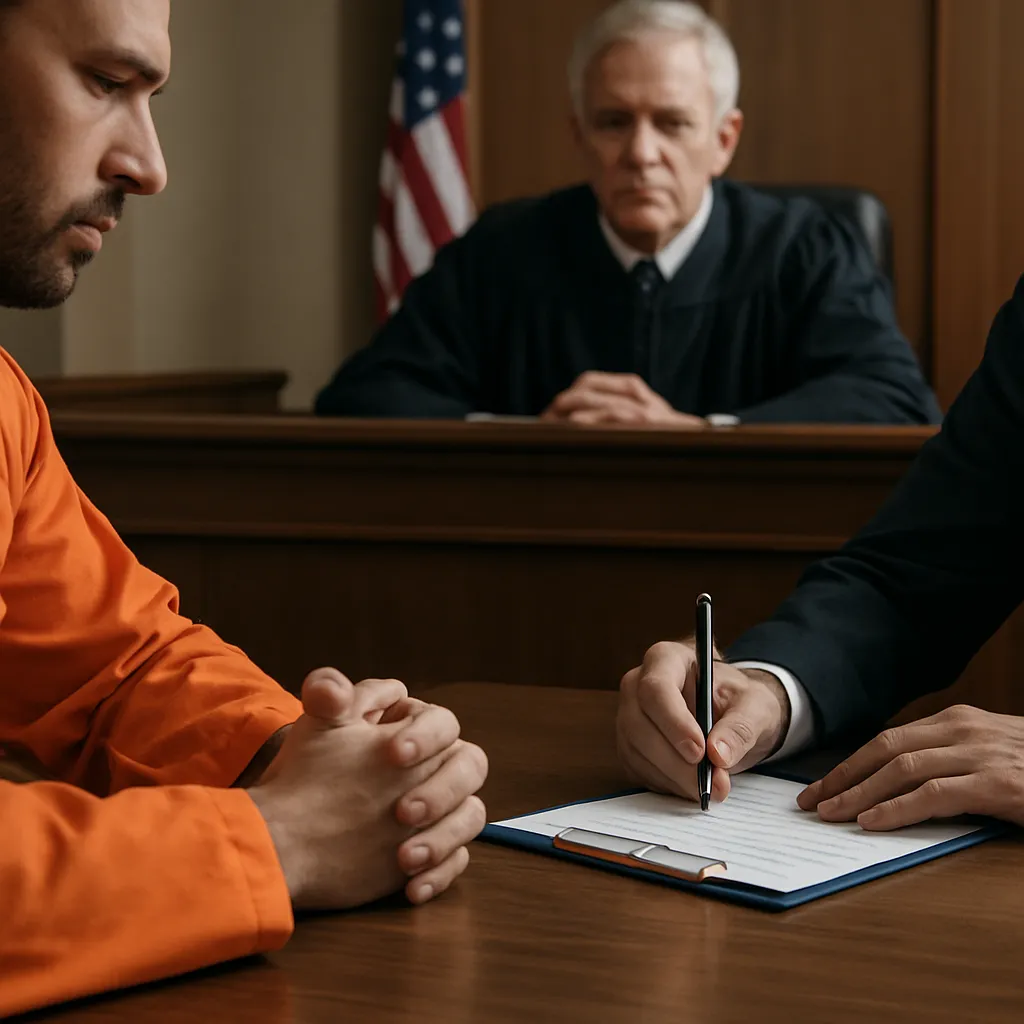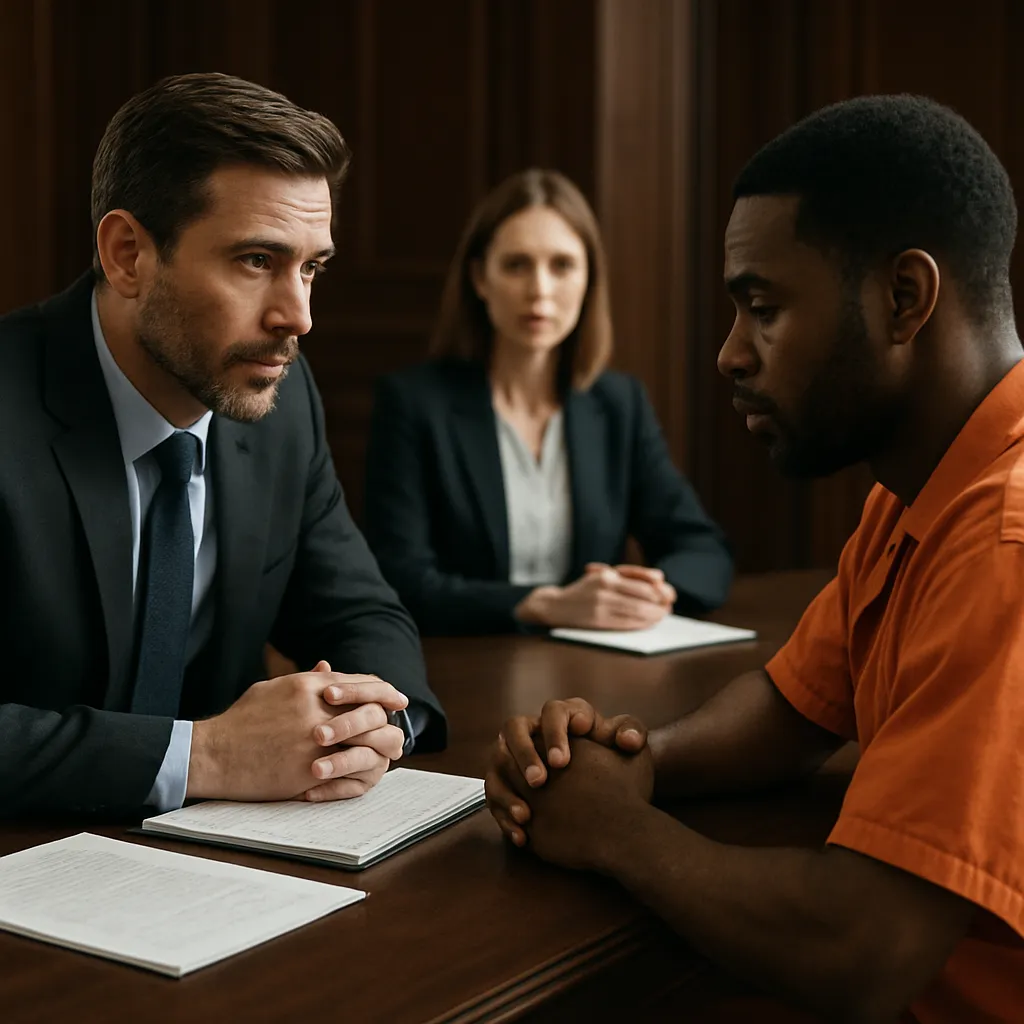
Understanding what unfolds when a criminal case is dismissed can be critical for defendants, attorneys, and the public alike. This discussion examines the legal mechanisms behind a case dismissal, the strategic role of criminal lawyers, and the immediate and long-term effects on an individual’s life. By exploring key concepts such as evidence evaluation, prosecutorial discretion, and post-dismissal remedies, readers will gain insight into the complexities of the justice system.
Grounds for Case Dismissal
A criminal case may be dismissed at various stages of the legal process. Dismissals can arise from procedural defects, insufficient proof, or violations of a defendant’s constitutional rights. Common grounds include:
- Insufficient Evidence: When the prosecutor cannot meet the burden of proof beyond a reasonable doubt, the judge may dismiss charges.
- Violation of Speedy Trial Rights: If a case drags on beyond statutory time limits without just cause, dismissal may follow to protect a defendant’s right to a prompt trial.
- Procedural Errors: Flaws in the indictment, improper jury selection, or mishandled evidence can lead to dismissal on technical grounds.
- Illegally Obtained Evidence: Under the exclusionary rule, evidence seized in violation of the Fourth Amendment cannot be used, sometimes forcing prosecutors to drop charges.
- Plea Agreements: In certain negotiations, a defendant may plead to a lesser offense or cooperate in exchange for dismissal of more serious charges.
Each scenario underscores a core principle: the criminal justice system must operate within established legal bounds, ensuring fairness and protection of individual rights.
Procedural Aspects and Defense Strategies
Criminal defense lawyers play a pivotal role in achieving a case dismissal. Their strategic actions include:
- Pretrial Motions: Filing motions to suppress evidence or to dismiss counts based on legal deficiencies.
- Discovery Review: Scrutinizing prosecution materials to identify inconsistencies or exculpatory information.
- Negotiations with Prosecutors: Engaging in plea bargaining or alternative resolutions to eliminate or reduce charges.
- Case Law Research: Citing precedent to argue that the facts or procedures in the current matter mirror situations where courts previously ordered acquittal or dismissal.
- Client Advocacy: Ensuring clients understand the process, potential outcomes, and the importance of full cooperation.
Effective defense counsel leverages these tactics to challenge the prosecution’s case at every turn. When a case is dismissed, it reflects not only prosecutorial discretion but also the attorney’s diligence in upholding due process.
Immediate Consequences of a Dismissal
A dismissal can bring immediate relief, but it also triggers a set of consequences and considerations:
- Release from Custody: Defendants held on bail may see their bonds exonerated and return to normal life.
- Termination of Court Proceedings: All active charges listed in the dismissal order are eliminated, preventing trial on those counts.
- Record Status: While charges are dismissed, arrest records often remain public until formally sealed or expungement is obtained.
- Collateral Benefits: Employment applications and housing prospects may improve once charges are gone, though stigma can persist.
- Risk of Refiling: In some jurisdictions, prosecutors may refile if new evidence emerges, unless the dismissal is with prejudice.
Understanding whether a dismissal is with or without prejudice is crucial. A with-prejudice dismissal bars retrial on the same charges, offering a stronger shield for the defendant.
Long-Term Implications and Relief Options
Even after a case is dismissed, individuals and their attorneys should consider further steps to secure lasting peace of mind:
- Expungement or Sealing: Petitioning the court to remove or restrict access to arrest and charging records.
- Civil Remedies: Pursuing claims for wrongful arrest or malicious prosecution may yield financial sanctions against overreaching authorities.
- Professional Licenses: Providing dismissal orders to licensing boards to prevent disciplinary action based on initial charges.
- Public Perception Management: Crafting strategies to address any lingering negative impressions among employers, family, or the media.
- Legal Counsel Retention: Maintaining a relationship with criminal defense attorneys for guidance on future interactions with law enforcement or courts.
By proactively addressing these matters, defendants transform a temporary victory into a more permanent restoration of their civil rights and reputations.
Key Takeaways for Criminal Lawyers
- Thoroughly evaluate all evidence for potential suppression motions.
- Monitor speedy trial deadlines to safeguard client rights.
- Negotiate early where possible to secure favorable dismissals.
- Advise clients on post-dismissal steps, including record clearance.
- Remain vigilant about the possibility of refiling when dismissals are without prejudice.