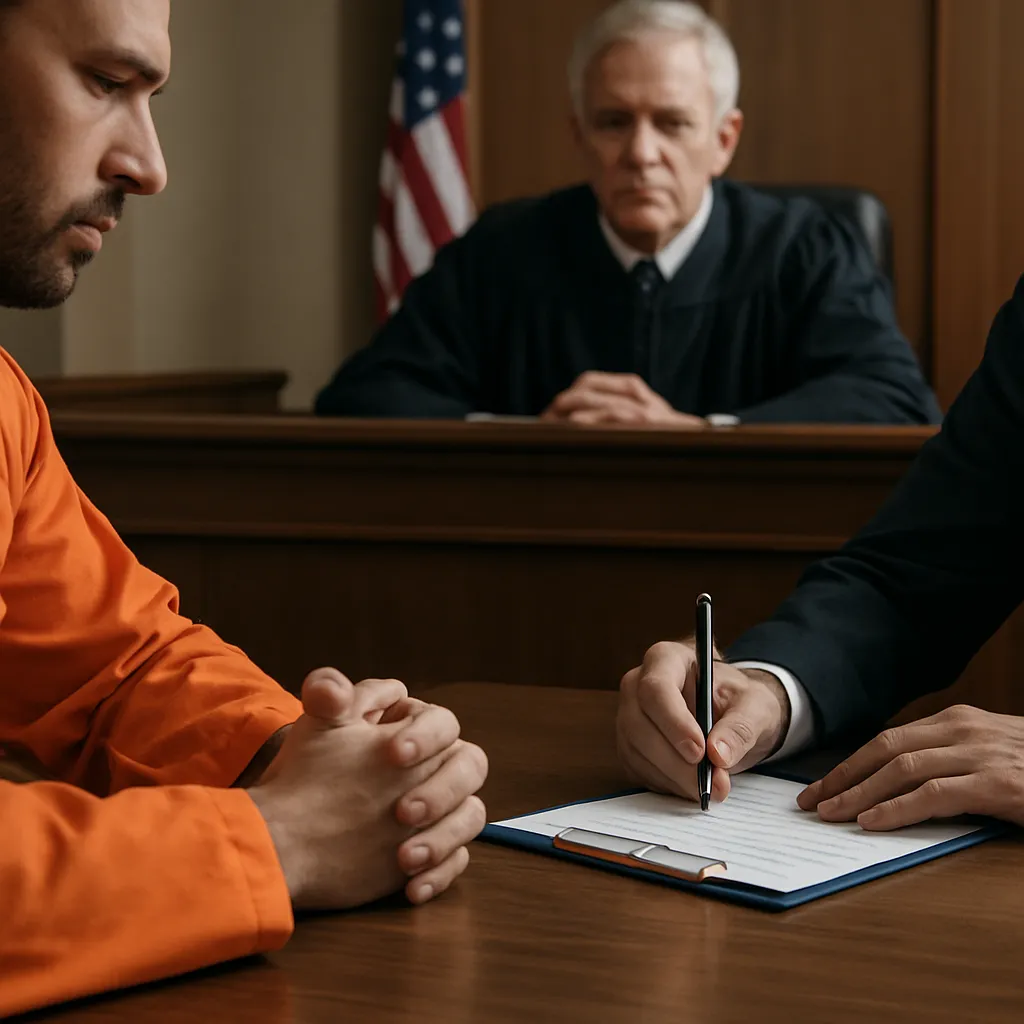
A Motion for a New Trial represents a vital mechanism in the arsenal of criminal lawyers seeking to overturn or revisit a verdict they believe was fundamentally flawed. After a jury or judge reaches a guilty verdict, the defense has limited opportunities to challenge that outcome. One such opportunity is the filing of a motion for a new trial, a request that the court reconsider its decision based on specific errors, misconduct, or newly discovered information. Understanding the nuances of this remedy is essential for effective criminal defense representation.
Understanding the Purpose and Scope
A motion for a new trial serves as a safeguard against miscarriages of justice. Unlike an appeal, which reviews legal errors in past proceedings, the new trial motion asks the same trial court to reassess the verdict in light of certain fundamental issues that could have affected the jury’s decision. Key objectives include:
- Correcting significant errors in jury instructions or rulings on evidence.
- Addressing juror misconduct or external influences that compromised verdict integrity.
- Presenting newly discovered evidence that was unavailable during the trial.
- Ensuring the defendant received the effective assistance of counsel, avoiding ineffective assistance claims.
While a new trial motion is distinct from direct appeal and post-conviction relief, it functions as an immediate corrective measure. Filing deadlines are strict, and procedural missteps can result in waiver of this critical right.
Grounds for Filing a New Trial Motion
Court rules and case law define several bases for seeking a new trial:
- Legal or Procedural Errors: Mistakes in jury instructions or improper admission/exclusion of evidence that prejudiced the outcome.
- Juror Misconduct: Instances of bias, undisclosed relationships, or exposure to external information that tainted deliberations.
- Prosecutorial Misconduct: Improper statements, withholding exculpatory evidence, or other violations of the prosecution’s obligations under due process.
- Newly Discovered Evidence: Evidence that could not have been obtained with reasonable diligence before or during trial and is likely to produce an acquittal.
- Sentencing Errors: Errors in calculating sentences or applying enhancement provisions that warrant revisiting both guilt and penalty phases.
Each ground carries unique burden-shifting and proof requirements. For example, newly discovered evidence must generally meet a four-part test: materiality, diligence, non-cumulative nature, and likelihood of a different verdict. Meanwhile, claims of misconduct often require affidavits, sworn statements, or transcripts demonstrating how the irregularity impacted the jury’s deliberations.
Procedural Requirements and Deadlines
Filing rules for a new trial motion vary by jurisdiction but share common features:
- Timing: Typically within a narrow window after the verdict—often 10 to 14 days.
- Form and Content: A written motion specifying grounds, supporting facts, and legal authorities. Courts expect clarity on the nature of the alleged error and its prejudicial effect.
- Supporting Documentation: Affidavits, declarations, or exhibits such as transcripts, juror statements, or expert opinions.
- Oral Argument: Many courts permit or require argument to address contested facts or legal interpretations.
Failure to adhere to these procedural mandates can result in outright denial. Therefore, criminal lawyers must meticulously track deadlines, align supporting documentation, and tailor arguments to each local rule.
Strategic Considerations for Defense Counsel
Deciding whether to file a motion for a new trial involves weighing potential benefits against risks:
- Appellate Waiver: In some jurisdictions, filing a new trial motion preserves appellate rights; in others, it may waive certain issues for appeal.
- Judicial Disposition: Trial judges may be reluctant to overturn their own verdicts, especially in high-profile or emotional cases.
- Resource Allocation: Preparing a comprehensive motion requires time, expert resources, and financial investment.
- Alternative Remedies: Defense counsel must evaluate if direct appeal or post-conviction proceedings offer a more favorable path.
Expert trial attorneys often present a simultaneous or sequential plan combining a new trial motion with an appeal. They may also negotiate with the prosecution for a more favorable plea agreement if the judge signals an unlikely granting of the motion.
Role of the Appellate Court and Post-Decision Actions
When a trial court grants a new trial, the case returns to the trial docket for retrial—potentially leading to dismissal, acquittal, or a plea bargain. If the motion is denied, defense counsel faces several options:
- File a notice of appeal to the appellate court, challenging the denial based on an abuse of discretion or legal error.
- Pursue ineffective assistance claims in post-conviction proceedings if counsel failed to raise critical arguments or evidence.
- Prepare clemency or other executive interventions in extraordinary circumstances.
Effective advocacy at this stage requires a deep understanding of each court’s standard of review. Appellate judges generally defer to trial courts on factual findings but review legal interpretations de novo. Demonstrating that the trial judge misapplied law or ignored controlling precedent is crucial for a successful appeal of the new trial denial.
Navigating Complexities and Emerging Issues
Modern developments in forensic science, juror research, and technology continue to reshape new trial litigation. Defense teams must stay abreast of:
- Forensic Advances: DNA exonerations and challenges to flawed scientific methods can underpin compelling motions for relief.
- Juror Research: Post-verdict surveys and social media investigations may uncover misconduct that justifies retrial.
- Legislative Reforms: Statutory changes in post-conviction relief timelines or expanded grounds for new trials.
- Digital Evidence: Challenges regarding cell-site location data, body camera footage, and metadata authentication.
Staying current on these trends enhances a defense lawyer’s capacity to craft persuasive motions that address evolving standards of fairness and reliability in the criminal justice system.