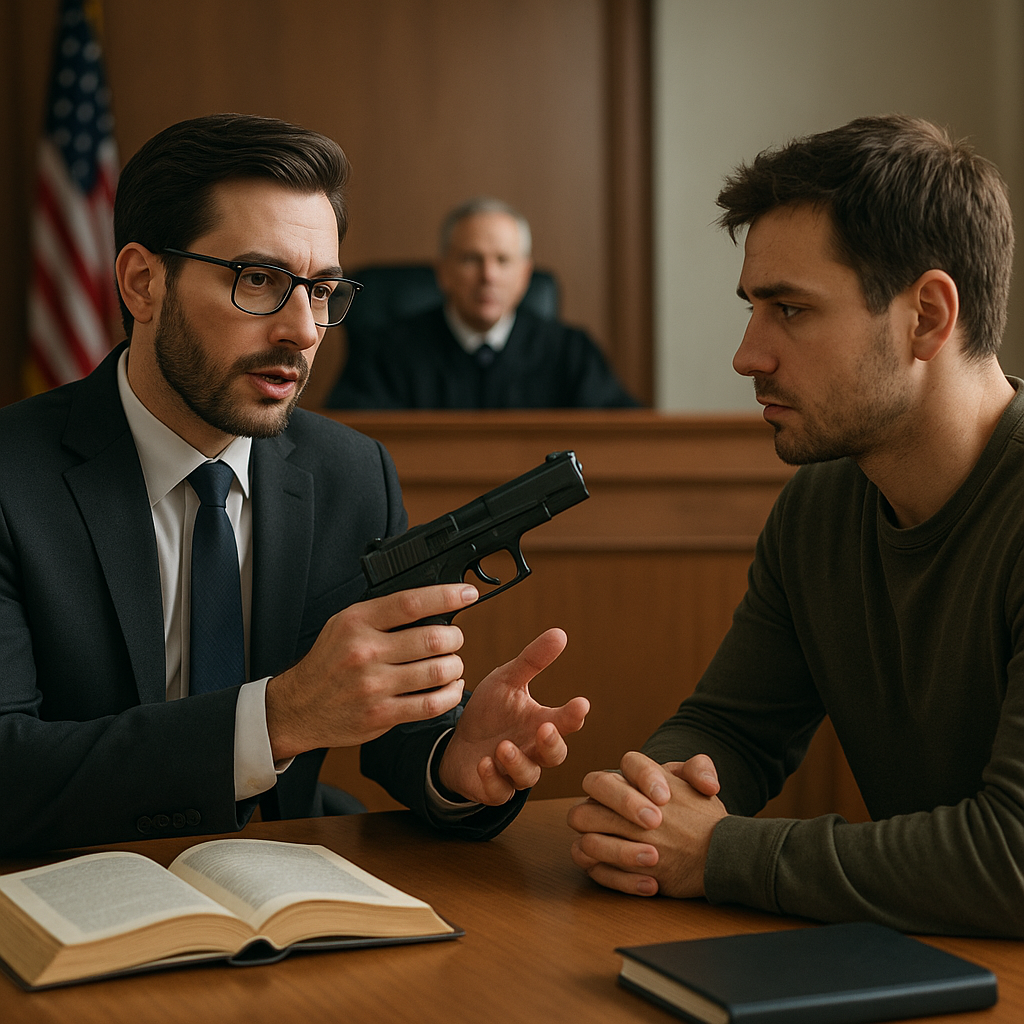
The concept of entrapment lies at the core of many high-stakes criminal defense strategies. When law enforcement crosses the line from legitimate investigation into inducing a crime, defendants have a powerful tool at their disposal. In this article, we explore the legal underpinnings of entrapment, identify key methods used by attorneys to expose unlawful tactics, and outline the evidence needed to secure a favorable outcome for the accused.
Definition and Legal Foundations of Entrapment
At its essence, entrapment occurs when agents of the government persuade or coerce an individual to commit a criminal offense that the person would not have otherwise committed. Courts have long wrestled with balancing the need for proactive policing against protecting citizens from undue pressure. The jurisdiction in which a case is tried can greatly influence how entrapment is defined and applied. Federal courts adhere to a two-pronged test derived from seminal Supreme Court decisions:
- Government Inducement: Did law enforcement initiate contact and encourage the crime?
- Predisposition: Was the defendant already willing and ready to commit the offense without encouragement?
In contrast, some states adopt a subjective standard focusing on the defendant’s state of mind, while others emphasize an objective approach evaluating only the nature of law enforcement’s conduct. Understanding these nuances is a critical first step for any lawyer defending an entrapment claim.
Identifying Government Misconduct: Tools and Strategies
Lawyers must meticulously analyze how the investigation unfolded. Common tactics used by law enforcement that may give rise to entrapment include:
- Repeated solicitations or persistent pressure beyond normal investigative practices.
- Promises of leniency, monetary gain, or special treatment in exchange for participation.
- Use of abusive or coercion techniques, such as threats, intimidation, or excessive undercover operations.
To uncover these practices, criminal defense attorneys often rely on:
- Discovery motions to obtain recorded calls, emails, and detailed logs of undercover interactions.
- Depositions of officers to reveal any directives from supervisors encouraging aggressive stings.
- Expert witnesses in police procedure to testify on acceptable versus abusive investigative methods.
By constructing a timeline and identifying inconsistencies in law enforcement’s story, attorneys can demonstrate a deliberate pattern of misconduct aimed at luring individuals into criminal activity. The key is to show that, without government involvement, the defendant would not have formed the criminal intent necessary for conviction.
Proving Entrapment in Court: Key Elements
When an entrapment defense reaches the courtroom, attorneys must focus on two primary elements:
1. Government Inducement
- Documentation of all communications between officers and the defendant.
- Evidence of significant encouragement or facilitation of the crime.
- Testimony from the defendant and third parties about the nature of inducements.
2. Lack of Predisposition
- Character witnesses who attest to the defendant’s law-abiding background.
- Absence of prior criminal history or any evidence showing intent to commit the crime.
- Behavioral experts who analyze the defendant’s typical reaction to similar situations.
Defense teams often present a cohesive narrative combining documentary proof with compelling personal testimony, all aimed at undercutting the credibility of law enforcement claims. Skilled attorneys will highlight discrepancies in police reports, impeach witness statements, and emphasize any procedural errors that point to an unreasonable or unlawful sting operation.
Case Studies and Strategic Applications
Several landmark decisions illustrate how entrapment defenses can sway outcomes:
- Jacobson v. United States: The Supreme Court overturned a conviction where the defendant was repeatedly pressured over years to buy illicit material he initially refused.
- United States v. Russell: Highlighted the limits of government participation but narrowed the scope for asserting entrapment when agents merely provided non-essential ingredients.
In state courts, variations in evidentiary rules and jury instructions can further complicate defense tactics. A seasoned criminal lawyer must tailor strategies to local precedents, ensuring that judges properly instruct jurors on the entrapment standard. Effective counsel will:
- File pretrial motions challenging the admissibility of evidence obtained through questionable means.
- Propose precise jury instructions that underscore both elements of entrapment.
- Identify potential witnesses, including former undercover officers, who may admit to aggressive or improper methods.
By drawing on a diverse arsenal of legal tools, defense teams can transform a prosecutor’s most persuasive sting operation into evidence of overreach and illicit misconduct.
The Role of Criminal Defense Attorneys in Upholding Justice
Entrapment cases underscore the vital role of defense counsel in preserving the balance between public safety and individual rights. Attorneys must exercise discretion in deciding when to pursue an entrapment argument, weighing the strength of available evidence and the potential impact on jury perceptions. When executed skillfully, this defense not only protects defendants from unjust convictions but also deters law enforcement from employing unscrupulous tactics in future investigations.
Ultimately, proving entrapment demands a blend of rigorous factual investigation, expert legal analysis, and persuasive advocacy. With a thorough grasp of constitutional safeguards and an unwavering commitment to justice, criminal lawyers can hold the government accountable and ensure fair treatment for all individuals caught in the crosshairs of high-pressure law enforcement operations.