Criminal defense attorneys face unique hurdles when confronted with cases involving the deliberate alteration or destruction of evidence. From unraveling complex forensic tampering to challenging the admissibility of compromised materials, their role demands both technical knowledge and strategic foresight. This article explores the multifaceted approach that seasoned criminal lawyers take to dismantle evidence tampering allegations and safeguard their client’s rights.
Investigation and Detection of Evidence Tampering
Before mounting an effective defense, attorneys must identify whether tampering has indeed occurred and determine its impact on the prosecution’s case. A meticulous fact-finding process often begins the moment suspicion arises.
Preserving the Chain of Custody
A vital component in any evidence-based case is the chain of custody. Criminal lawyers scrutinize every step of evidence handling:
- Collection at the crime scene
- Labeling, packaging, and transport
- Storage conditions in police or lab facilities
- Lab testing procedures
- Final presentation at trial
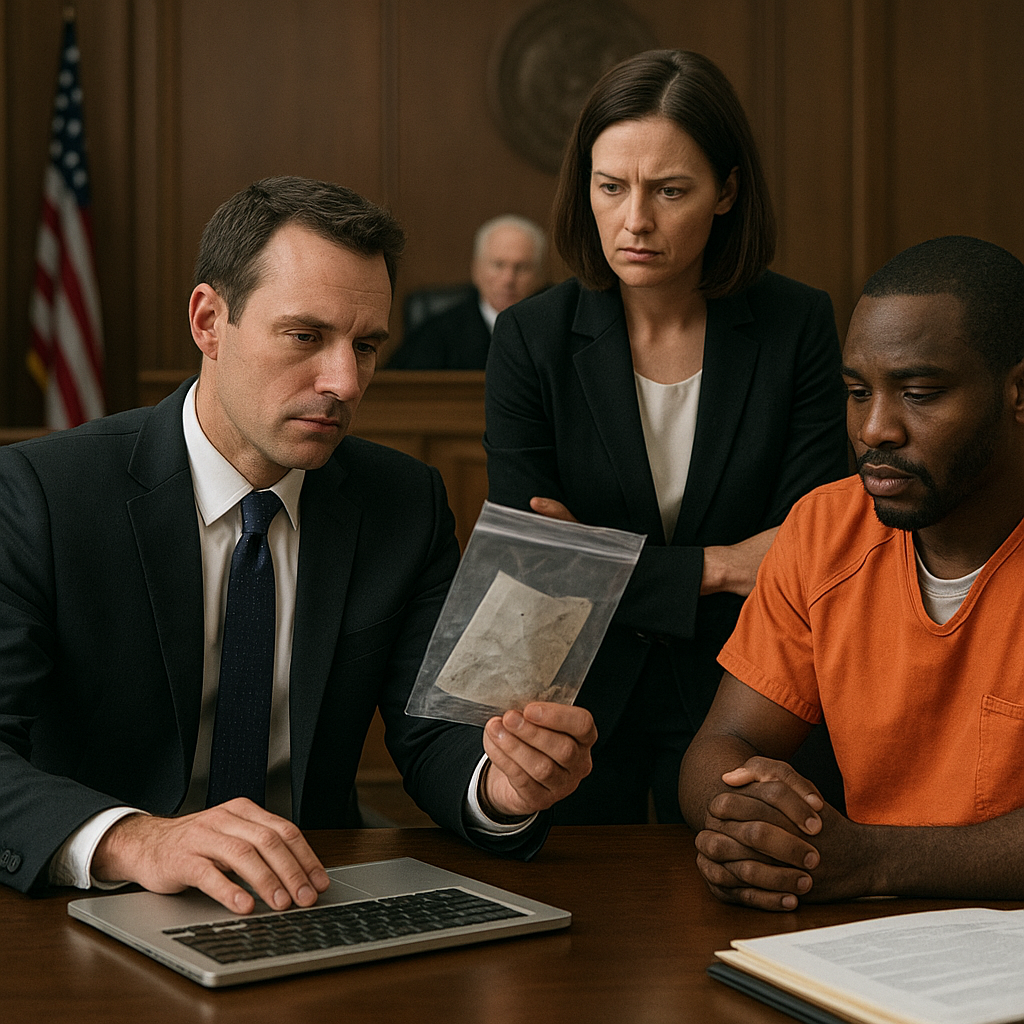
Any discrepancy—missing signatures, unlabeled containers, or unexplained transfers—can point toward potential tampering. Attorneys may file discovery motions demanding complete logs and surveillance footage of storage areas.
Forensic Analysis and Expert Consultation
Criminal lawyers routinely collaborate with neutral or defense-oriented forensic analysts to verify the integrity of physical and digital evidence. Through detailed forensic analysis, experts can detect:
- Physical alterations, such as erased markings on weapons or documents
- Digital tampering, including metadata manipulation in audio or video files
- Biological contamination or substitution in DNA samples
- Fingerprint or trace evidence inconsistencies
By commissioning independent testing, lawyers bolster their challenge to the prosecution’s narrative and highlight any signs of evidence contamination or mishandling.
Legal Strategies and Defense Mechanisms
Once potential tampering is identified, defense attorneys craft legal maneuvers aimed at minimizing the impact of compromised evidence or having it excluded entirely.
Challenging Admissibility and Filing Suppression Motions
One powerful tool in the defense arsenal is the motion to suppress evidence. Lawyers argue that introducing tainted items violates constitutional protections, most notably the Fourth Amendment’s safeguard against unreasonable searches and seizures. Key arguments include:
- Improper search warrants or lack of probable cause
- Unlawful police entry or detainment of suspects
- Failure to maintain proper chain of custody
- Intentional destruction or concealment of exculpatory material
When successful, suppression motions can render critical evidence inadmissible, weakening or even collapsing the prosecution’s case.
Developing an Alternative Narrative
Beyond suppression, criminal lawyers must construct a persuasive counter-story. By weaving together witness testimony, alibi evidence, and technical findings, they:
- Highlight the potential motives behind evidence tampering—such as law enforcement bias or investigative errors
- Introduce exculpatory evidence that supports the defendant’s innocence
- Emphasize procedural lapses that cast doubt on the prosecution’s version of events
This approach forces jurors to reconsider the reliability of every contested item, shifting the focus from the defendant’s alleged guilt to the integrity of the entire investigation.
Cross-Examination and Witness Credibility
Effective cross-examination can expose inconsistencies in testimony and raise questions about the authenticity of evidence. Attorneys prepare detailed questioning strategies aimed at:
- Undermining the credibility of officers involved in collecting or analyzing materials
- Pointing out gaps in recollection or conflicting statements
- Demonstrating that witnesses had motives to misrepresent facts
- Highlighting discrepancies between lab reports and actual samples presented
By meticulously dissecting each witness’s account, defense counsel sows reasonable doubt in the jurors’ minds.
Collaboration with Experts and Ethical Considerations
Handling evidence tampering cases requires delicate coordination between legal professionals, subject matter experts, and even ethical oversight bodies. Ensuring integrity throughout this process is paramount.
Engaging Forensic and Technical Experts
Successful representation often hinges on the credibility and expertise of retained specialists. Criminal lawyers seek out experts in:
- Digital forensics for analysis of hard drives, mobile devices, and surveillance footage
- DNA and biological sciences to verify the authenticity of genetic materials
- Ballistics or firearms examination when weapon tampering is alleged
- Document examination to detect falsified records or signatures
These professionals produce detailed reports, offer deposition testimony, and withstand vigorous cross-examination from opposing counsel. Their input can tip the balance when the dispute centers on the reliability of contested evidence.
Navigating Ethical Obligations
Criminal lawyers must adhere to stringent ethical rules while pursuing their client’s best interests. Key principles include:
- Maintaining confidentiality and avoiding conflicts of interest
- Ensuring that expert analyses remain unbiased and fact-based
- Not discouraging witnesses from providing truthful testimony
- Promptly disclosing any newly discovered evidence to the court
Failure to comply with professional standards can result in sanctions, disqualification, or damage to the attorney’s reputation. Thus, a balance between zealous advocacy and ethical conduct is essential.
Trial Strategy and Courtroom Dynamics
When evidence tampering is central to the case, the trial landscape transforms into a battleground over the legitimacy of each piece of proof. Criminal lawyers tailor their courtroom approach to underscore uncertainty and reinforce the principle that the prosecution bears the burden of proof.
Opening Statements and Framing the Issue
Opening statements set the tone. Defense counsel may:
- Introduce the possibility that key items were mishandled or intentionally altered
- Present the jury with a roadmap of anticipated forensic revelations
- Emphasize the high stakes of convicting someone on tainted evidence
By strategically framing the concept of admissibility and fairness early on, lawyers plant seeds of doubt that can resonate throughout the trial.
Presenting Demonstrative Evidence
Visual aids and demonstrations can be highly persuasive. Common techniques include:
- Side-by-side comparisons of original and contested evidence
- Digital animations showing where metadata anomalies occur in video files
- Physical re-enactments of chain-of-custody breaches
Such demonstrations bring complex technical points to life, making it easier for jurors to grasp how tampering might have occurred.
Closing Arguments and Jury Instructions
In closing, defense attorneys reinforce the theme of reasonable doubt. They remind jurors that:
- The standard for conviction is proof beyond a reasonable doubt
- Evidence must be both relevant and reliable
- Any tainted material cannot carry the weight of untainted proof
Moreover, they may request specific jury instructions on handling evidence chain-of-custody issues and the proper treatment of excluded materials to ensure fair deliberations.
Conclusion
Handling evidence tampering cases demands a blend of rigorous investigation, creative legal tactics, and unwavering ethical standards. By meticulously dissecting the prosecution’s approach, engaging top-notch experts, and leveraging every procedural safeguard, criminal lawyers stand as the last line of defense against convictions secured on unreliable or manipulated proof.