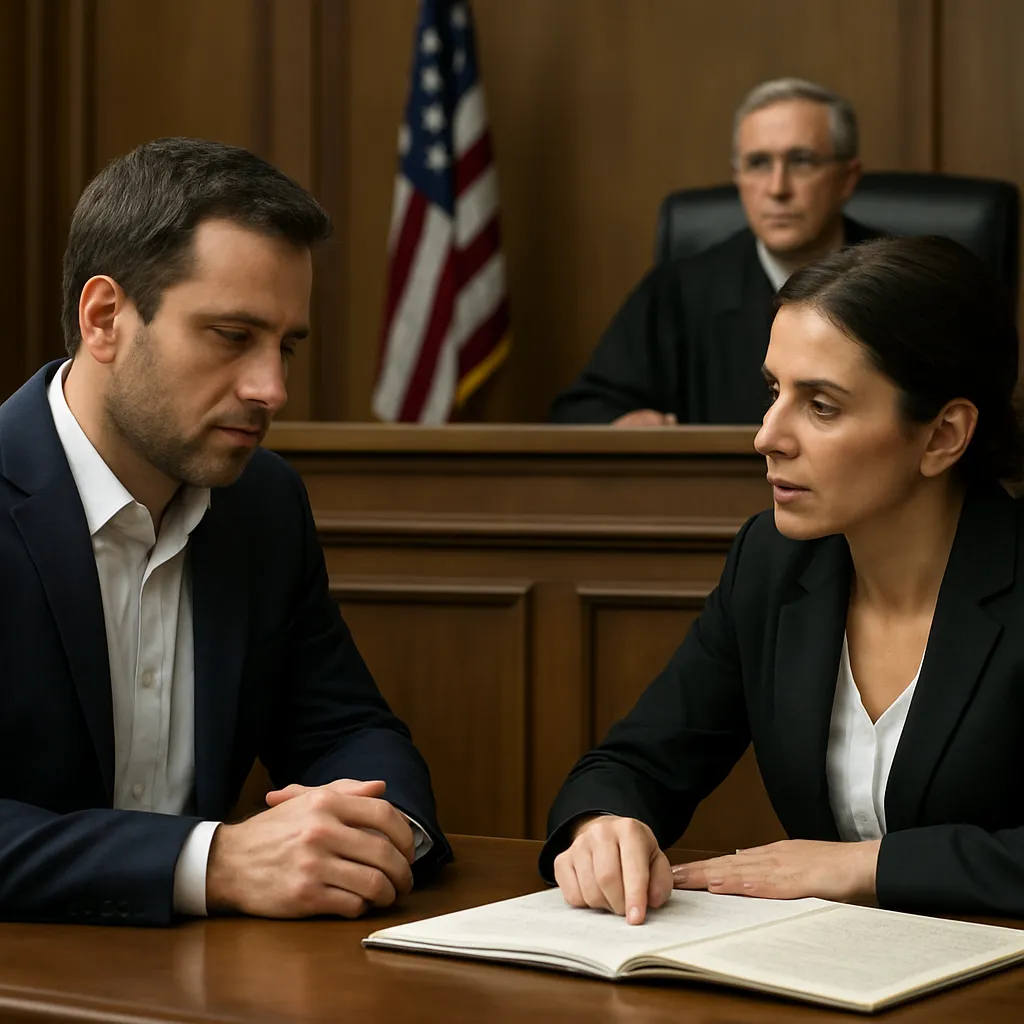
Facing a criminal sentencing hearing can be one of the most challenging experiences in a defendant’s life. With the stakes so high, collaborating closely with a seasoned defense lawyer is crucial for securing the best possible outcome. The following guidance will help you and your attorney navigate the complex process, from initial case assessment to final courtroom advocacy.
Assessment and Case Review
At the outset, your lawyer must conduct a thorough assessment of every aspect of your case. This involves reviewing court records, police reports, and any prior criminal history. Together, you should identify key factors that may influence the judge’s decision:
- Legal Guidelines: Understanding the statutory ranges and sentencing guidelines applicable to your charges is essential. Your lawyer will analyze where your offense falls within those parameters and what enhancements or departures might apply.
- Case Strength: Evaluate the strength of the prosecution’s evidence. Weak or conflicting testimony, procedural errors, and violations of your rights can all serve as leverage for a reduced sentence.
- Personal Background: Your history, including employment, education, and community involvement, plays a major role. Compiling documentation of stable residency, steady work, and positive relationships helps humanize you before the court.
During this review phase, open communication is vital. Be candid about any past mistakes, mental health struggles, or substance abuse issues, as these factors will shape the mitigation strategy. Your lawyer’s ability to craft a compelling narrative depends on complete transparency.
Collaborative Strategy Development
Once the case details are clear, you and your attorney will develop a tailored strategy to present at sentencing. This plan often includes the following components:
- Mitigation Evidence: Strategize the collection of letters of support, employment verifications, and evidence of rehabilitation efforts such as counseling or community service.
- Legal Motions: Determine whether to file specific motions, such as a motion for a downward departure or to challenge certain sentencing enhancers.
- Negotiations: In some jurisdictions, you may have an opportunity to negotiate a plea agreement that includes a sentencing recommendation. Your lawyer will weigh the pros and cons of accepting such an offer versus proceeding to a full hearing.
Engaging in mock sessions with your attorney can help you feel more comfortable speaking in court. Practice delivering a sincere, concise statement that highlights your remorse and future intentions. This rehearsal builds confidence and ensures you convey the right tone when it matters most.
Building a Comprehensive Mitigation Package
A robust mitigation package aims to demonstrate your potential for rehabilitation and underscore factors that warrant leniency. Key elements include:
- Character Letters: Solicit letters from family, employers, educators, and community leaders who can vouch for your integrity, work ethic, and personal growth.
- Professional Assessments: Obtain evaluations from psychologists, counselors, or addiction specialists if relevant. These reports carry weight when a sentence involves probation or specialized treatment programs.
- Educational and Vocational Achievements: Evidence of enrollment in courses, vocational training, or certifications supports the argument that you are invested in self-improvement.
- Community Service Records: Document any volunteer work or charitable contributions to illustrate genuine remorse and a commitment to giving back.
All documents should be organized clearly, with summaries provided to your lawyer to facilitate quick reference. A well-structured binder, divided by category and indexed, helps the court navigate your supporting materials and reinforces the preparation behind your case.
Final Preparations and Courtroom Advocacy
As the sentencing date approaches, fine-tuning every detail becomes paramount. Consider the following steps:
- Rehearsal of Statements: Perfect your allocution (the statement you make to the judge) with your counsel’s guidance. Focus on brevity and authenticity—acknowledge responsibility, express remorse, and outline your future plans.
- Coordination with Witnesses: If character witnesses or experts will appear, synchronize schedules and confirm their preparedness. Ensure they understand courtroom etiquette and the advocacy role they serve.
- Dress and Demeanor: Presenting yourself respectfully can influence perceptions. Opt for conservative attire, arrive early, and demonstrate courtesy toward all court personnel.
On the day of sentencing, maintain composure. Your lawyer will handle legal arguments, while you should focus on projecting sincerity. If the prosecution proposes a specific sentence, your attorney can object or present counterarguments based on mitigating factors.
Post-Sentencing Considerations
After the judge issues a sentence, immediate steps may include:
- Filing a Notice of Appeal, if there are valid grounds to challenge legal errors or an unreasonably harsh sentence.
- Discussing post-conviction relief options, such as motions for reconsideration or sentencing adjustments upon completion of treatment programs.
- Developing a reentry plan, including housing, employment, and support networks if incarceration is imposed.
Partnering with your lawyer after sentencing ensures ongoing access to legal resources, helps monitor compliance with probationary terms, and guides you through appellate or post-conviction processes.
Key Takeaway: Comprehensive preparation, transparent communication, and a strong partnership with your defense attorney are the cornerstones of a successful sentencing outcome. By addressing both legal and personal dimensions of your case, you maximize the chances of securing a fair and constructive resolution.