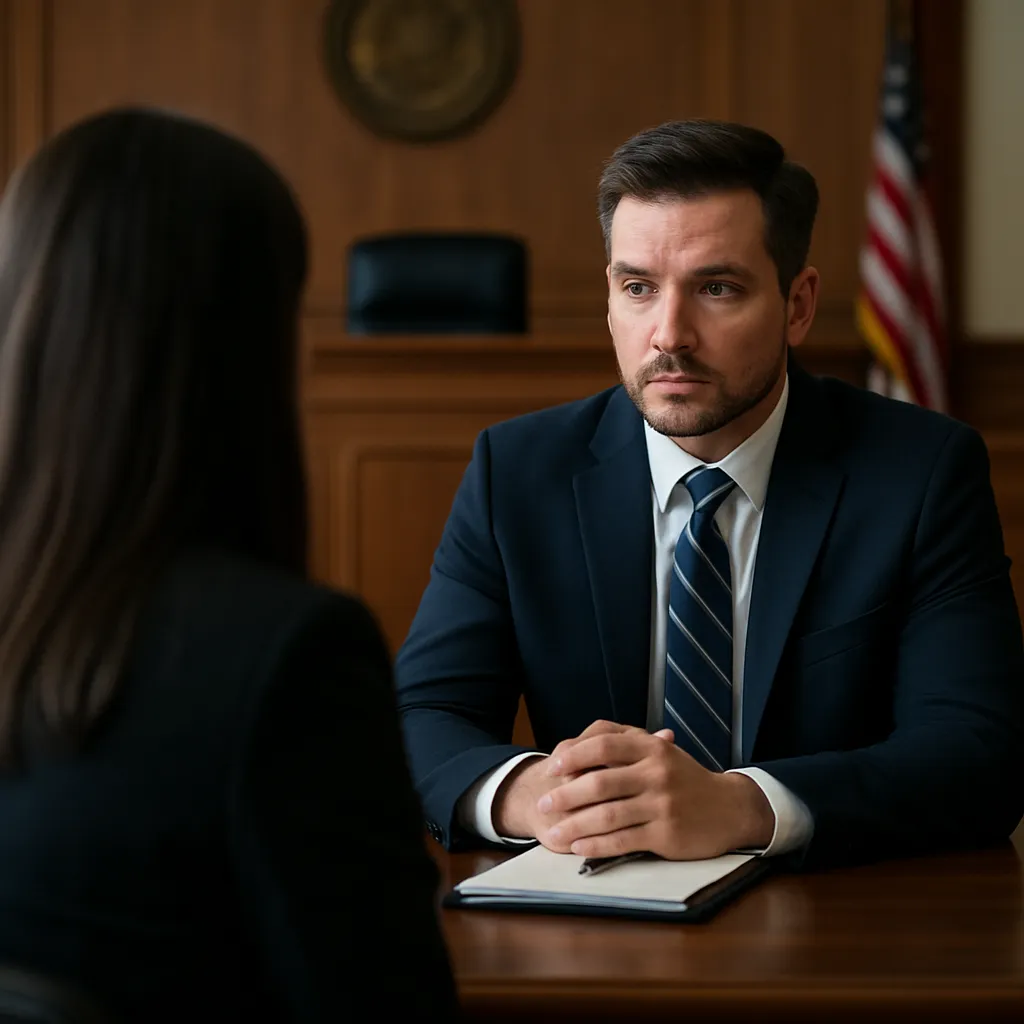
Preparing for a criminal court deposition can be an intimidating process, but with the right guidance and thorough preparation, witnesses and defendants can approach it with confidence. This article outlines essential strategies and practical advice that criminal lawyers often use to ensure their clients are well-equipped for every phase of a deposition.
Understanding the Deposition Process
Before stepping into the deposition room, it is crucial to grasp the fundamental purpose and mechanics of this pre-trial procedure. A deposition allows attorneys to obtain sworn testimony from witnesses or parties in a controlled environment. Unlike courtroom trials, depositions take place in a lawyer’s office or conference room, with a court reporter present to record the entire session.
- Objective: Gather facts, preserve witness statements, and evaluate witness credibility.
- Participants: the deponent, defense counsel, prosecuting attorney, and a court reporter or videographer.
- Scope: Questions can cover any matter relevant to the case, including background, motives, and potential inconsistencies.
- Use of Transcript: Depositions can be used later at trial to impeach inconsistent testimony or refresh a witness’s memory.
Preparatory Steps with Your Criminal Lawyer
Reviewing Case Files and Evidence
Thorough familiarity with the evidence and case documentation is the foundation of a successful deposition. Your attorney will help you examine police reports, forensic analyses, witness statements, and photographic or video material. This review ensures you can speak knowledgeably and accurately about every detail.
- Organize documents chronologically to identify gaps or contradictions.
- Highlight key dates, names, and events to anchor your testimony.
- Anticipate areas of prosecutor focus, such as forensic discrepancies or motive-related facts.
Mock Depositions and Question Strategies
Conducting simulated depositions under the guidance of your criminal counsel provides invaluable practice. Mock sessions help you:
- Familiarize yourself with rapid-fire questioning.
- Develop concise, clear responses without volunteering additional information.
- Identify and address any weak spots or areas of confusion in your testimony.
Lawyers often role-play as opposing counsel to sharpen your ability to remain composed when faced with aggressive or leading questions. This rehearsal builds resilience and reinforces your strategy for staying on message.
Developing Your Personal Testimony
Your attorney will work with you to craft a narrative that is both truthful and consistent. Key elements include:
- Chronology: Present events in a logical, straightforward sequence.
- Clarity: Use simple language and avoid legal jargon.
- Consistency: Ensure your statements align with prior accounts, police reports, and witness interviews.
- Honesty: Admit when you don’t recall certain details rather than speculating.
Establishing a baseline of consistent, honest testimony bolsters your overall credibility and reduces the risk of later contradictions.
Best Practices During the Deposition
Once inside the deposition, certain conduct and techniques can significantly impact how your testimony is received.
- Listen Carefully: Pause after each question to ensure you fully understand before answering.
- Speak Clearly: Project your voice and maintain a moderate pace.
- Answer Precisely: Provide direct answers without volunteering extra information.
- Handle Objections: If an objection is raised, wait for your attorney’s guidance before responding further. The court reporter will note the objection and the grounds for it.
- Maintain Professional Demeanor: Keep your posture relaxed, maintain eye contact, and avoid defensive gestures.
Remember that opposing counsel may attempt to undermine your confidence or provoke emotional reactions. Staying composed demonstrates reliability and discourages further aggressive tactics.
Addressing Psychological and Emotional Factors
Managing Stress and Anxiety
High-pressure situations can trigger nervousness or self-doubt. Criminal lawyers recommend several techniques:
- Deep Breathing: Take a slow, controlled breath before answering each question.
- Positive Visualization: Envision yourself delivering clear, accurate answers with poise.
- Preparation Rituals: Arrive early, review key documents, and run through confidence-building affirmations.
Maintaining Professional Demeanor
Demonstrating calmness and respect can influence how your testimony is perceived. Focus on:
- Controlled Tone: Keep a steady, measured voice.
- Neutral Expressions: Avoid frowning or sighing, even when pressured.
- Respectful Attitude: Address all parties politely and refrain from interrupting.
Consistent professionalism underscores your reliability and enhances the weight of your statements.
Post-Deposition Actions
- Debrief with Counsel: Review the transcript for any unexpected issues or inconsistencies.
- Identify Follow-Up Needs: Determine if additional investigation or document production is required.
- Adjust Trial Strategy: Incorporate deposition insights into courtroom preparation, witness selection, and cross-examination plans.
- Preserve Confidentiality: Keep deposition materials within your legal team to avoid accidental disclosures.
Effective post-deposition collaboration with your attorney transforms this preparatory step into a strategic advantage for your defense or prosecution team.