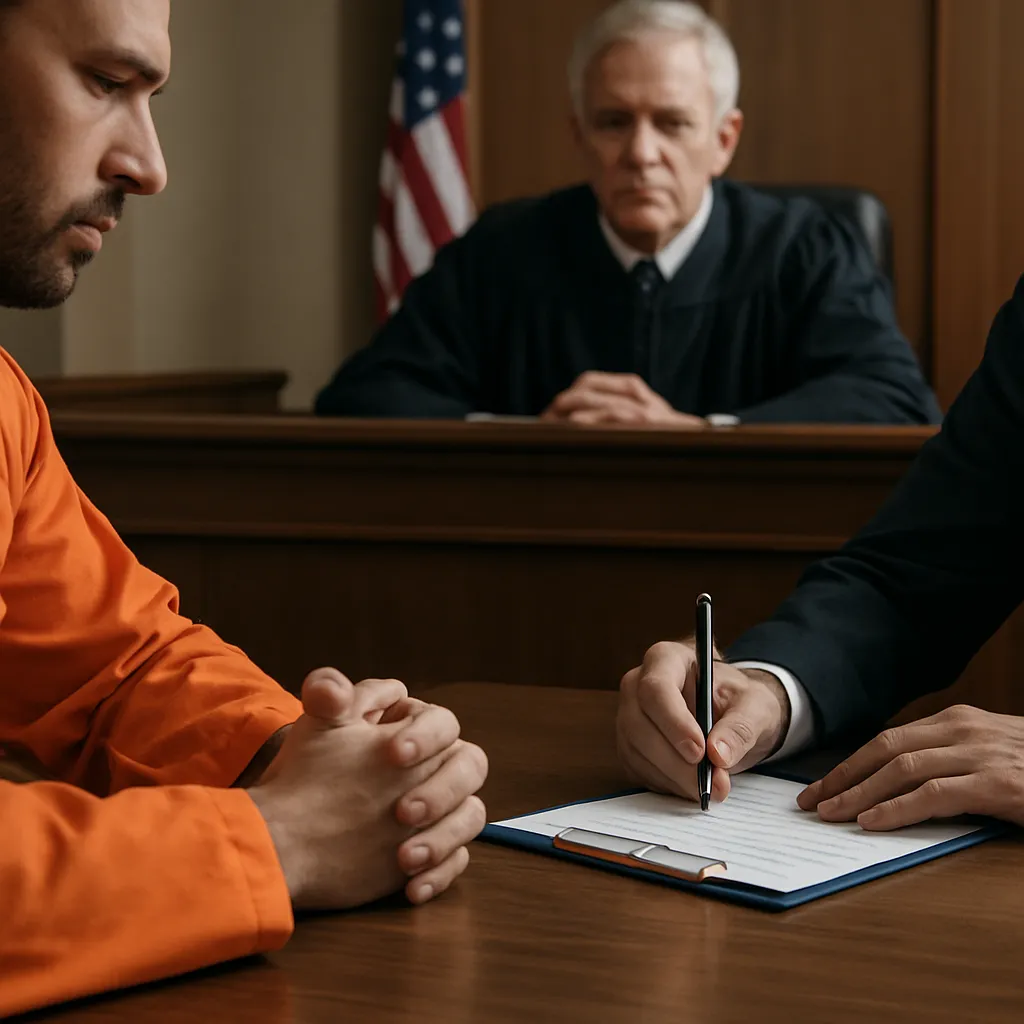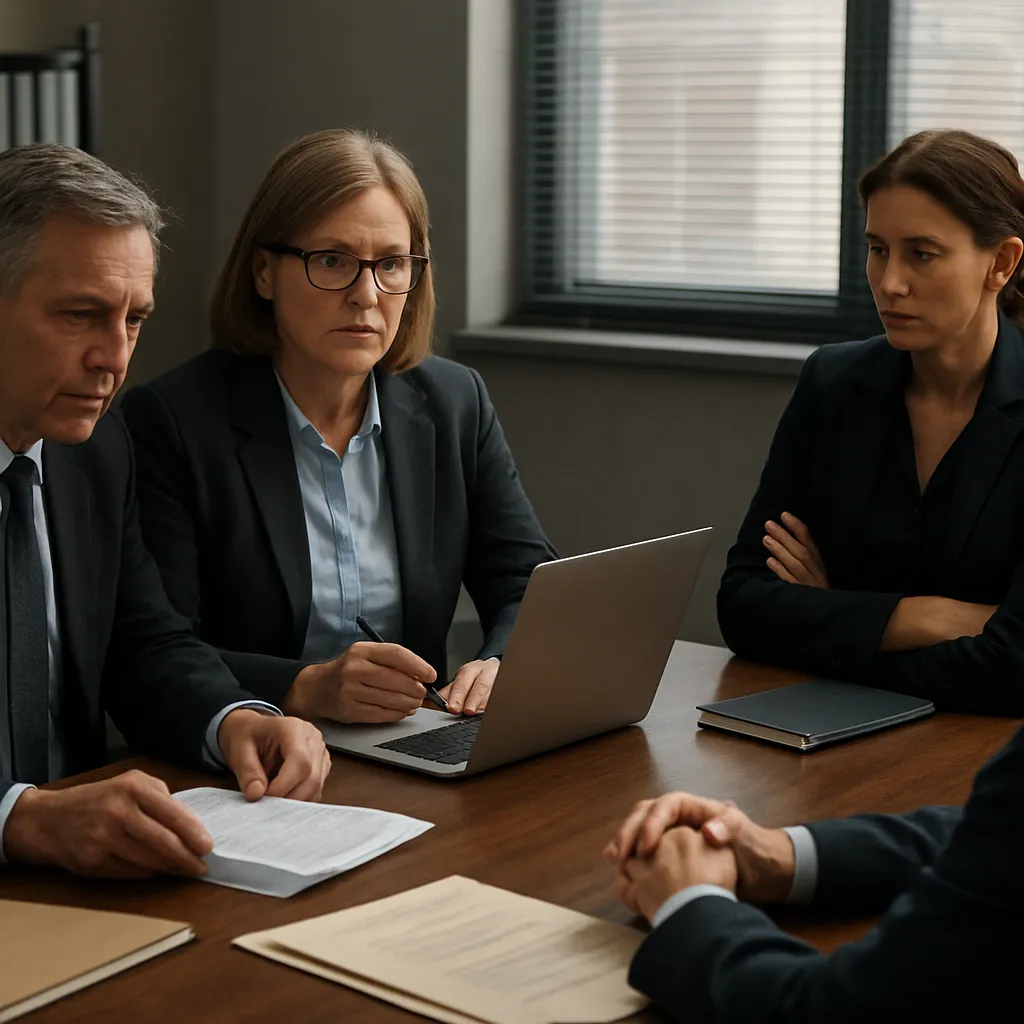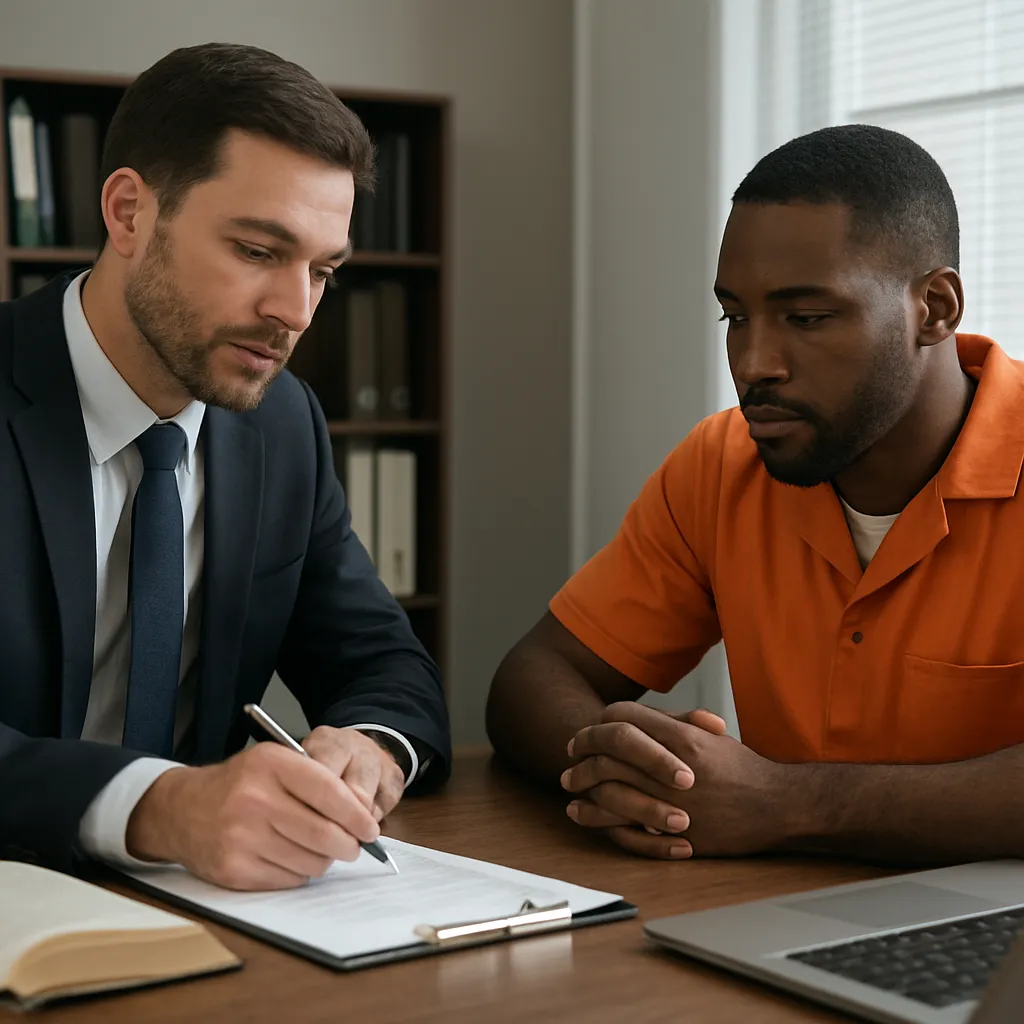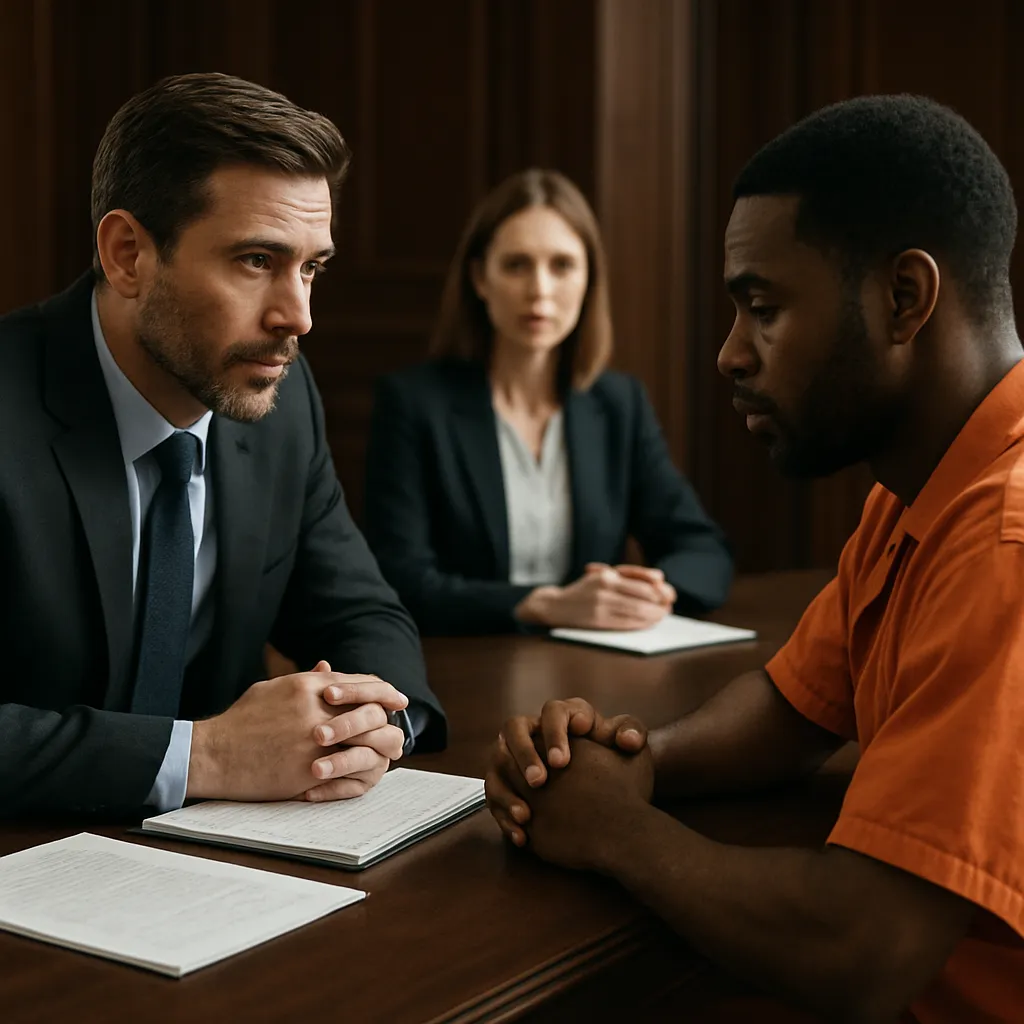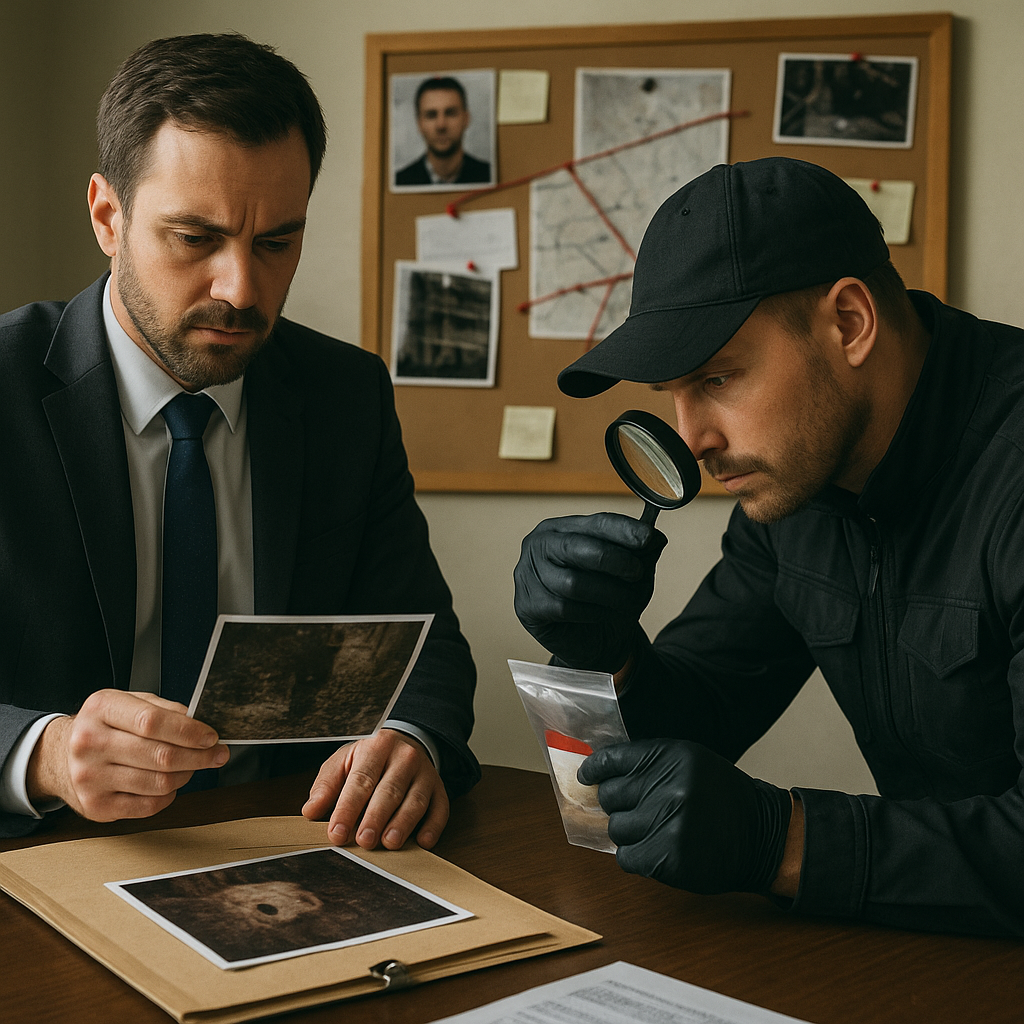
In criminal defense, the collaboration between skilled lawyers and dedicated investigators often makes the difference between a favorable outcome and a conviction. By leveraging advanced techniques and strategic planning, criminal attorneys ensure every piece of evidence is meticulously uncovered and analyzed. This article explores how defense teams utilize investigators to gather critical information, maintain the chain of custody, prepare effective motions, and ultimately build a compelling defense.
The Strategic Role of Investigators in Criminal Defense
When facing serious charges, criminal lawyers depend on professional investigators to perform in-depth fact-finding missions. Unlike prosecution-appointed personnel, defense-aligned investigators operate with the sole aim of protecting the client’s rights and uncovering exculpatory details. Their strategic contributions include:
- Conducting background checks on key witnesses to validate reliability.
- Interviewing witnesses and obtaining statements that may challenge the prosecution’s narrative.
- Collecting physical and digital evidence from crime scenes, vehicles, and residences.
- Reconstructing timelines to solidify an alibi or identify inconsistencies in the state’s case.
Early Engagement for Maximum Impact
Prompt involvement of an investigator can preserve fragile evidence. For example, eyewitness memories fade over time, and digital footage may be overwritten. By mobilizing quickly, defense counsel can ensure vital material remains intact for review during the pretrial discovery phase.
Techniques and Methods for Evidence Collection
Investigators employ a wide range of techniques to gather admissible information. Each method aims to maintain the integrity and credibility of evidence so it withstands forensic scrutiny in court.
On-Site Crime Scene Analysis
- Documenting the scene with high-resolution photography and video.
- Mapping spatial relationships to test the prosecution’s reconstruction.
- Collecting trace materials, such as fibers, hair, or soil, for laboratory testing.
Surveillance and Undercover Operations
- Deploying covert surveillance cameras or stakeouts to monitor suspects or locations.
- Undercover phone calls or in-person approaches to elicit admissions or conflicting statements.
Digital Forensics
- Recovering deleted texts, emails, and social media posts.
- Extracting metadata from digital files to verify timestamps and authorship.
- Analyzing geolocation data to confirm or dispute travel routes and whereabouts.
Coordination Between Defense Lawyer and Investigator
Seamless communication and clear strategy alignment are essential for a strong defense. Lawyers must provide investigators with precise legal objectives while investigators deliver regular progress reports and preliminary findings.
Developing Case Theory
- Lawyers outline legal theories, such as misidentification or self-defense.
- Investigators identify and prioritize leads that support the chosen theory.
Motion Preparation and Expert Consultation
Investigators often collaborate with forensic experts, medical professionals, and accident reconstructionists. Their reports form the basis for critical pretrial motions, including:
- Motion to suppress improperly obtained evidence that violates constitutional rights.
- Motion for independent testing of seized materials to challenge prosecution’s results.
Witness Preparation
Defense investigators play a key role in prepping testimony. By conducting mock examinations and clarifying complex details, they help witnesses testify with clarity and confidence.
Ethical and Legal Considerations
While investigators are indispensable, defense attorneys must ensure compliance with professional and ethical rules. Key considerations include:
- Respecting attorney-client privilege and avoiding disclosure of protected communications.
- Adhering to privacy laws when conducting surveillance or background checks.
- Ensuring that all obtained evidence is admissible, following rules on search, seizure, and interview protocols.
Maintaining Professional Boundaries
Investigators must avoid any actions that could be construed as intimidation or harassment of witnesses. Proper training and adherence to a written code of conduct help minimize risk.
Documenting the Chain of Custody
From collection to courtroom presentation, every transfer of physical and digital evidence requires meticulous documentation. This prevents challenges to the material’s authenticity and preserves its credibility.
Advanced Tools and Emerging Technologies
Modern investigators leverage technological advances to strengthen defense strategies. Innovative tools include:
- Facial recognition software to verify identities captured in videos.
- Drone surveillance for comprehensive aerial imagery of crime scenes.
- AI-driven pattern analysis to detect anomalies in financial transactions or communications.
Virtual Reality for Jury Demonstrations
Immersive VR recreations allow jurors to visualize complex scenarios, such as gunshot trajectories or accident dynamics, enhancing comprehension of technical evidence.
Blockchain for Evidence Integrity
Deploying blockchain systems to timestamp and record digital evidence transfers adds an extra layer of security and transparency.