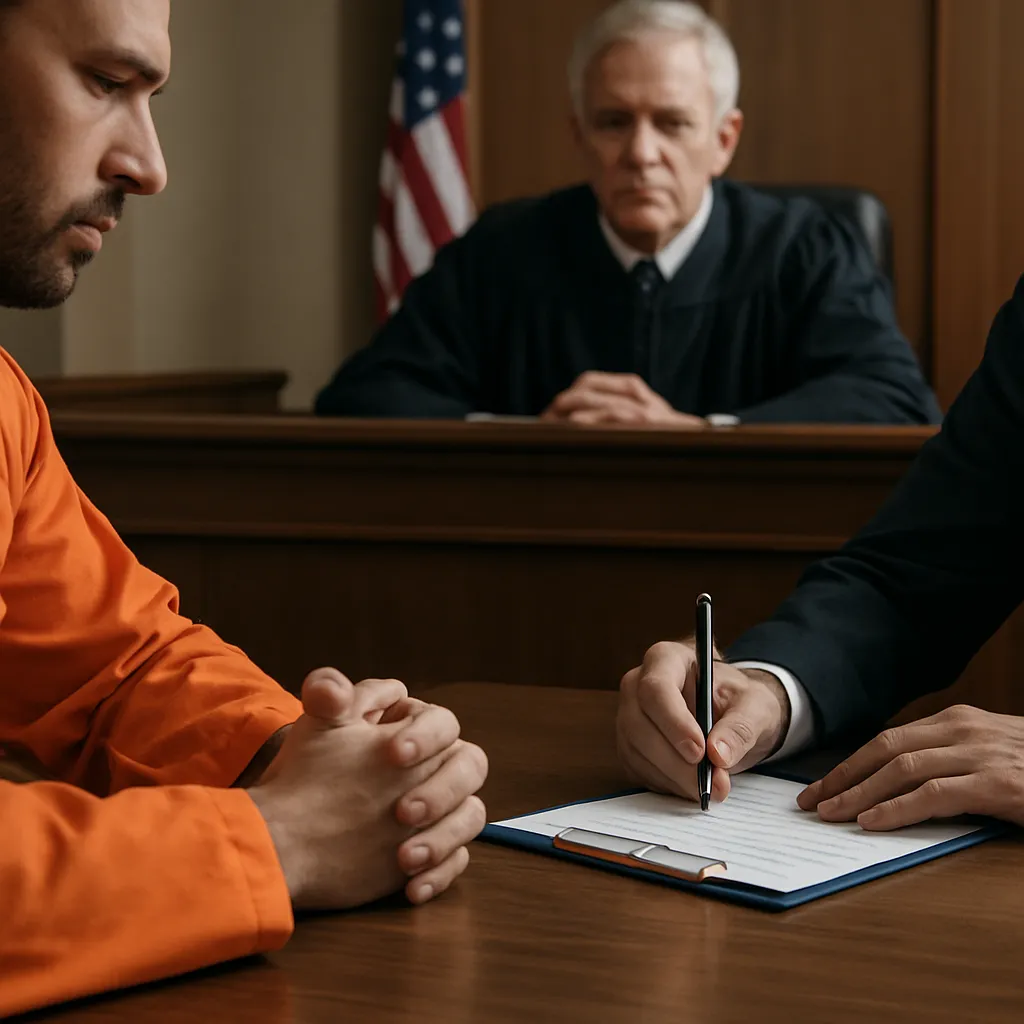
Facing assault and battery charges can be overwhelming. Understanding the spectrum of possible defenses is critical for anyone confronted with such allegations. This article explores various legal strategies that criminal attorneys employ to protect clients accused of violent offenses. By examining key defenses—from self-defense to duress—you’ll gain insight into how a lawyer constructs a strong case on behalf of their client.
Understanding Assault and Battery Allegations
Before diving into defenses, it’s vital to differentiate between these two charges. Assault generally involves an intentional act that creates a reasonable apprehension of imminent harm, whereas battery requires actual physical contact or force without consent. Both crimes demand a certain level of intent, although the precise definitions vary by jurisdiction.
Key elements prosecutors must prove include:
- Intent or knowledge that one’s actions could cause harm
- Unlawful contact (for battery) or threat of contact (for assault)
- Absence of legal justification or privilege
A skilled criminal attorney scrutinizes the prosecution’s evidence to identify weaknesses in meeting each element of the offense.
Self-Defense and Defense of Others
Self-defense ranks among the most powerful justifications. It permits use of force, sometimes even deadly, when a person reasonably believes it’s necessary to prevent imminent harm. Key factors include:
- Immediacy of the threat
- Proportionality of the force used
- Unavailability of safe retreat (in certain jurisdictions)
Similarly, defense of others allows individuals to protect third parties facing unlawful aggression. Attorneys often focus on witness testimony and physical evidence—like injuries or surveillance footage—to substantiate the defendant’s fear of harm.
Critical Requirements for Valid Self-Defense
- The defendant did not initiate the conflict
- Fear of harm was reasonable—an objective standard
- Force used did not exceed what was necessary
Consent and Legal Justification
In some contexts, alleged victims may have consented to conduct that would otherwise constitute assault or battery. Common examples include contact sports, medical procedures, and certain consensual physical interactions. However, consent is not absolute. A lawyer must demonstrate:
- The consent was informed and voluntary
- No fraud, duress, or coercion influenced the consent
- The scope of consent aligns with the defendant’s actions
If the prosecution cannot disprove valid consent, charges may be dismissed or reduced.
Other Common Defenses
Beyond direct justifications, several additional defenses can invalidate assault and battery charges:
- Mistake of fact: A bona fide misunderstanding negates intent. For example, believing a weapon was unloaded when it was not.
- Intoxication: Involuntary intoxication can preclude the specific intent required for certain charges. Voluntary intoxication is less robust but may still undermine intent in some jurisdictions.
- Alibi: Proving the defendant was elsewhere at the time of the incident can exonerate completely.
- Duress: Coercion by threat of imminent harm from a third party can excuse otherwise criminal conduct.
- Insanity or mental incapacity: A lack of capacity to understand the nature or wrongfulness of the act may lead to a not guilty by reason of insanity verdict.
Analyzing Physical and Digital Evidence
Whether it’s DNA, medical reports, cellphone records, or security footage, every piece of evidence can be pivotal. Criminal attorneys often collaborate with forensic experts to challenge or reinterpret evidence, pointing out chain-of-custody issues or analytical errors.
Strategic Role of Criminal Lawyers
A proficient attorney does more than recite legal principles. They:
- Perform an exhaustive review of police reports and witness statements
- Engage investigators to gather alibi proof or expert testimony
- Negotiate with prosecutors for reduced charges or alternative resolutions
- Prepare for trial with rigorous mock examinations and moot courts
Early intervention by a criminal lawyer often leads to better outcomes, including diversion programs, plea bargains, or case dismissals. By identifying the most appropriate defense—whether it’s asserting self-defense, exposing a mistake of fact, or proving consent—attorneys safeguard clients’ rights and aim to minimize consequences.