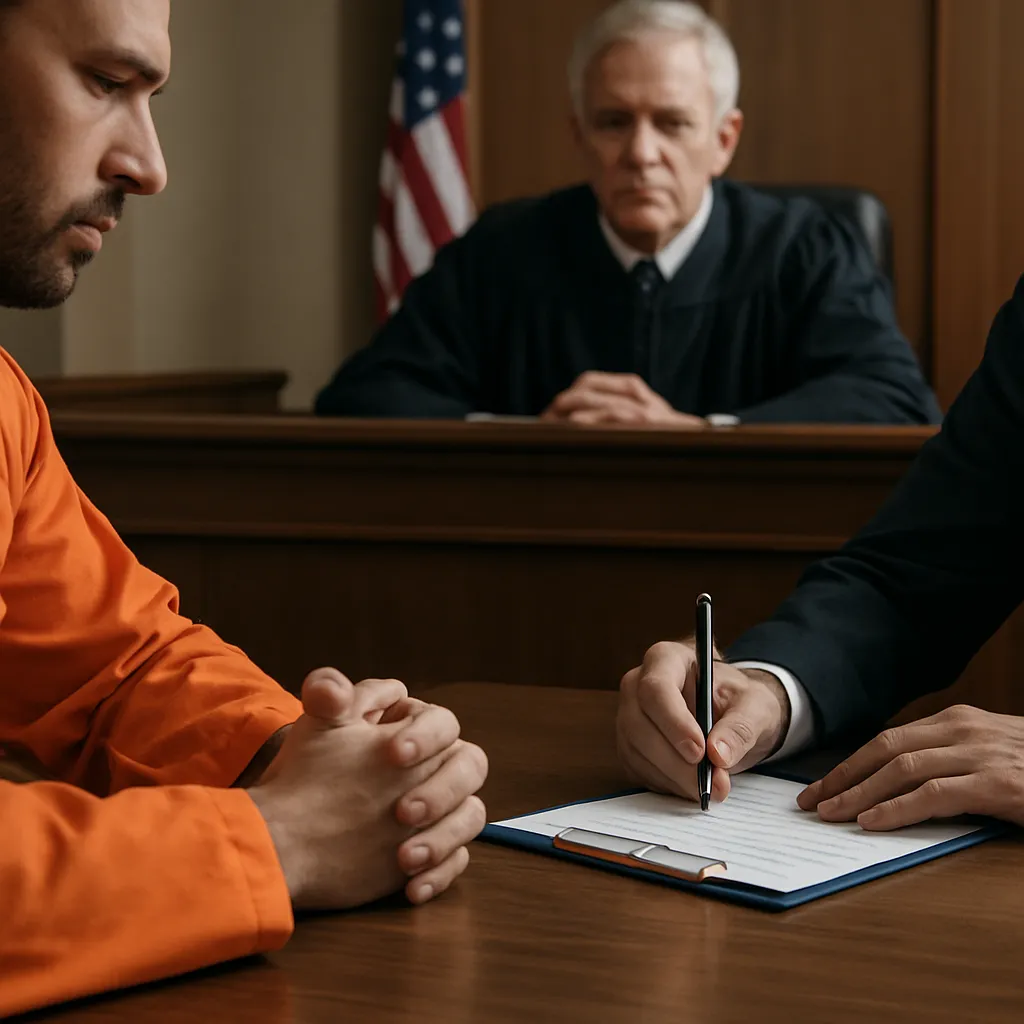
The right to an appeal serves as a vital safeguard within the criminal justice system, ensuring that the accused has access to review mechanisms when a trial’s outcome is compromised by significant errors or injustices. This article examines common grounds for appeal in criminal cases, offering insights into procedural, legal, and factual bases for overturning or modifying convictions. Understanding these principles is essential for criminal lawyers who advocate effectively on behalf of their clients.
Procedural Irregularities Impacting Appeals
Procedural fairness underpins every criminal trial. When courts deviate from established rules, defendants may appeal on the basis of due process violations or other irregularities. Courts scrutinize whether procedural errors had a prejudicial effect on the verdict or sentence.
Key procedural grounds include:
- Error in jury selection – Biased or improperly screened jurors can taint the deliberation process, warranting appellate review.
- Insufficient notice – Defendants must receive adequate notice of charges, hearings, and evidence; failure to provide this can constitute reversible error.
- Improper evidentiary procedures – Violations of rules governing the admission and exclusion of testimony or exhibits can undermine trial integrity.
- Violation of statutory timelines – Missing statutory deadlines for filings or motions may lead to appeals based on procedural non-compliance.
- Jurisdictional defects – A trial held in a court lacking proper authority jurisdiction can be collaterally attacked on appeal.
When arguing procedural irregularities, appellate briefs must demonstrate both the legal error and the prejudice suffered by the defendant. Mere technical missteps without demonstrable harm often fail to secure relief.
Errors of Law During Trial
An appeal grounded in errors of law challenges the court’s interpretation or application of legal standards. Such errors can affect critical phases of the proceeding, from jury instructions to sentencing guidelines.
Evidentiary Rulings
- Admission of hearsay or unreliable statements contrary to established rules can undermine a defendant’s ability to confront witnesses.
- Exclusion of material evidence that could support a defense theory may constitute reversible error if it impairs the truth-seeking function of the trial.
- Misapplication of rules governing expert testimony, chain of custody, or privilege issues.
Jury Instructions and Legal Standards
- Incorrect or misleading instruction on elements of the offense — for example, misstating mens rea requirements or burden of proof.
- Failure to instruct on lesser-included offenses where evidence could support such charges, leading to potential miscarriage of justice.
- Omission of mandatory cautionary warnings regarding eyewitness identification or informant credibility.
Appellate courts will reverse convictions if trial court errors deprived defendants of a fundamentally fair hearing or led to a verdict that might have been different absent the legal mistake.
Ineffective Assistance of Counsel
Under the landmark standard, defendants may appeal on grounds of ineffective assistance of counsel. To prevail, appellants must satisfy a two-pronged test:
- The attorney’s performance was objectively deficient, falling below prevailing professional norms.
- The deficient performance prejudiced the defense, creating a reasonable probability of a different outcome.
Examples include:
- Failure to investigate or present critical witnesses or evidence.
- Poor strategic decisions, such as waiving fundamental rights without informed consent.
- Inadequate research leading to missed legal defenses or sentencing mitigation opportunities.
This ground often overlaps with issues of newly discovered evidence or procedural irregularities when counsel’s negligence exacerbates other trial errors.
Newly Discovered Evidence and Its Role in Appeals
Another compelling ground for appeal arises when evidence emerges after trial that could not have been discovered through reasonable diligence before or during the proceedings. Such evidence must be:
- New and material to the issues at trial.
- Not merely cumulative or impeaching existing testimony.
- Of a nature that would probably produce an acquittal or lesser verdict upon retrial.
Appellate relief based on newly discovered evidence often requires post-conviction petitions or extraordinary writs. Courts balance finality against the imperative to prevent wrongful convictions, particularly where new forensic or exculpatory proof surfaces.
Prosecutorial Misconduct as a Ground for Appeal
When prosecutors breach ethical duties, defendants may lodge appeals for prosecutorial misconduct. Examples include:
- Suppression of exculpatory evidence in violation of constitutional requirements.
- Inflammatory statements designed to inflame jurors’ passions or prejudices.
- Introduction of knowingly false testimony or presentation of witnesses lacking credibility.
Successful appeals on this basis require a showing that misconduct substantially influenced the verdict or deprived the defendant of a fair trial. Appellate courts examine the record for patterns of abuse, from pretrial brady violations to improper remarks during closing arguments.
Sentencing Errors and Appeal Opportunities
Errors at sentencing present additional avenues for appeal. Common issues include:
- Misapplication of statutory sentencing ranges or guidelines.
- Failure to consider mandatory mitigating factors, such as defendant’s background or cooperation.
- Imposition of consecutive or consecutive sentences beyond statutory authority.
Appellate review focuses on whether the sentence imposed was prescribed by law and whether the trial court exceeded its discretionary bounds, thereby infringing on the defendant’s statutory or constitutional rights.