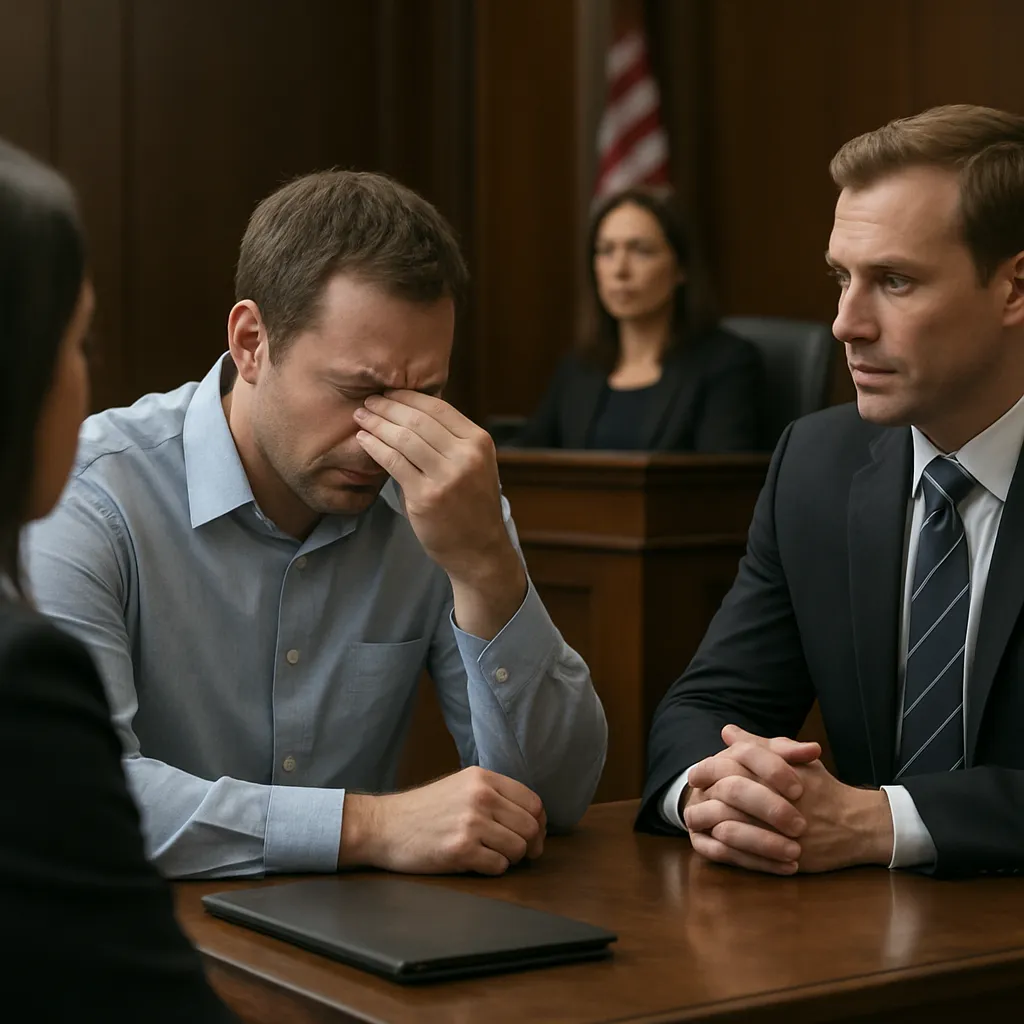
The defense of individuals accused of sex crimes demands a high level of expertise, sensitivity, and strategic planning. Lawyers must navigate complex legal statutes, manage emotionally charged testimony, and combat intense public and media pressure. This article examines the primary challenges defense attorneys face when representing clients in sex crime allegations and highlights key tactics to protect their rights and achieve the best possible outcome.
Understanding the Nature of Sex Crime Allegations
Sex crime cases often involve sensitive and deeply personal issues, making them distinct from other criminal matters. Allegations can arise from misunderstandings, fabricated claims, or genuine misconduct, and each scenario presents its own hurdles:
- Emotional Impact: Victims may experience severe trauma, influencing their recollection and presentation of events.
- Privacy Concerns: Maintaining confidentiality is critical to protect both accuser and accused from public exposure.
- Complex Dynamics: Relationships between parties—such as employer/employee or teacher/student—can introduce questions about power imbalance and consent.
Sex crime statutes are often stringent, imposing harsh penalties upon conviction. Defense lawyers must first grasp the elements of the alleged offense, including definitions of consent, intent, and the specific acts prohibited by law. Early case assessment is vital to identify weaknesses in the prosecutor’s narrative and anticipate evidentiary disputes.
Legal and Evidentiary Challenges
Proving or refuting sex crime allegations frequently hinges on circumstantial evidence and testimony, rather than direct physical proof. Defense counsel must be adept at challenging the prosecution’s claims and preserving their client’s rights throughout the process.
- Evidence Preservation: Gathering and reviewing medical records, digital communications, and eyewitness statements is essential. Mishandling these materials can undermine the defense’s credibility.
- Forensic Testing: Results from DNA analysis or other forensic testing can be decisive. Lawyers need to scrutinize laboratory protocols and chain-of-custody documentation to spot procedural errors.
- Pretrial Motions: Motions to suppress improperly obtained evidence or challenge testimonial admissibility can shape the trial’s trajectory.
- Expert Witnesses: Engaging specialists—such as psychologists or sexual assault forensic examiners—can bolster arguments regarding memory reliability and the impact of trauma on witness statements.
Another major hurdle is combating prosecutorial bias. Defense attorneys must monitor discovery practices to ensure no exculpatory material is withheld. Upholding the presumption of innocence requires insisting on full disclosure of all favorable evidence and vigorously contesting any attempt to introduce prejudicial information.
Addressing Sensitive Issues and Client Rights
Sex crime defense involves not only technical legal work but also managing highly sensitive personal matters. Attorneys must balance aggressive representation with empathy and discretion.
- Client Communication: Open, trust-based dialogue helps clients understand the charges, possible defenses, and potential consequences.
- Protecting Privacy: Defense counsel should file motions for closed hearings when discussing intimate details, minimizing media scrutiny and public exposure.
- Trauma-Informed Approach: Recognizing the trauma experienced by alleged victims can guide how evidence is presented, ensuring respectful handling of sensitive testimony.
- Ethical Considerations: Attorneys must avoid actions that could further victimize the accuser, such as harassing defense tactics or irrelevant character attacks.
Effective defense also involves anticipating collateral consequences. Clients may face reputational damage, employment loss, or immigration issues. Counsel should advise on protective orders, confidentiality agreements, and public relations strategies to mitigate long-term fallout.
Strategies for Building a Robust Defense
Designing an effective defense strategy begins at the moment of engagement. Key tactics include:
- Thorough Investigation: Conducting independent inquiries to uncover exculpatory witnesses or alternative explanations for the alleged conduct.
- Challenging Witness Credibility: Examining inconsistencies, motives to fabricate, or memory lapses during cross-examination.
- Expert Collaboration: Retaining professionals to analyze physical evidence, assess psychological factors, or recreate timelines.
- Negotiation and Plea Deals: Exploring reduced charges or diversion programs when the risk of conviction is high.
- Jury Selection: Utilizing voir dire to identify and exclude jurors with potential bias against those accused of sex offenses.
Defense teams must remain flexible, ready to adapt their approach as new facts emerge. Maintaining meticulous documentation, coordinating with investigators, and leveraging technological tools for case management enhances efficiency and preparedness. Protecting fundamental rights—such as the right to counsel, protection against self-incrimination, and fair trial guarantees—forms the bedrock of every defense.
Collaboration with Stakeholders and Courtroom Dynamics
Successful defense in sex crime cases hinges on effective collaboration with various stakeholders, including co-counsel, mental health professionals, and investigators. Attorneys should:
- Coordinate with forensic experts early to guide evidence collection.
- Engage victim advocates when appropriate to negotiate less adversarial procedures.
- Work with public relations consultants to manage public perception and protect the client’s reputation.
In the courtroom, defense counsel must navigate intense scrutiny from judges, jurors, and the media. Demonstrating respect for the proceedings while vigorously defending the client’s interests helps maintain professional credibility. Articulating a coherent narrative that emphasizes the client’s perspective, supported by solid evidence and reasoned argument, can sway even skeptical audiences.
Conclusion
The defense of sex crime allegations demands an intricate balance of legal acumen, empathetic client interaction, and strategic courtroom tactics. Attorneys must safeguard the due process rights of their clients while handling sensitive issues with discretion. By combining thorough investigation, expert collaboration, and skillful advocacy, defense lawyers can effectively challenge accusations and pursue justice in these complex and high-stakes cases.