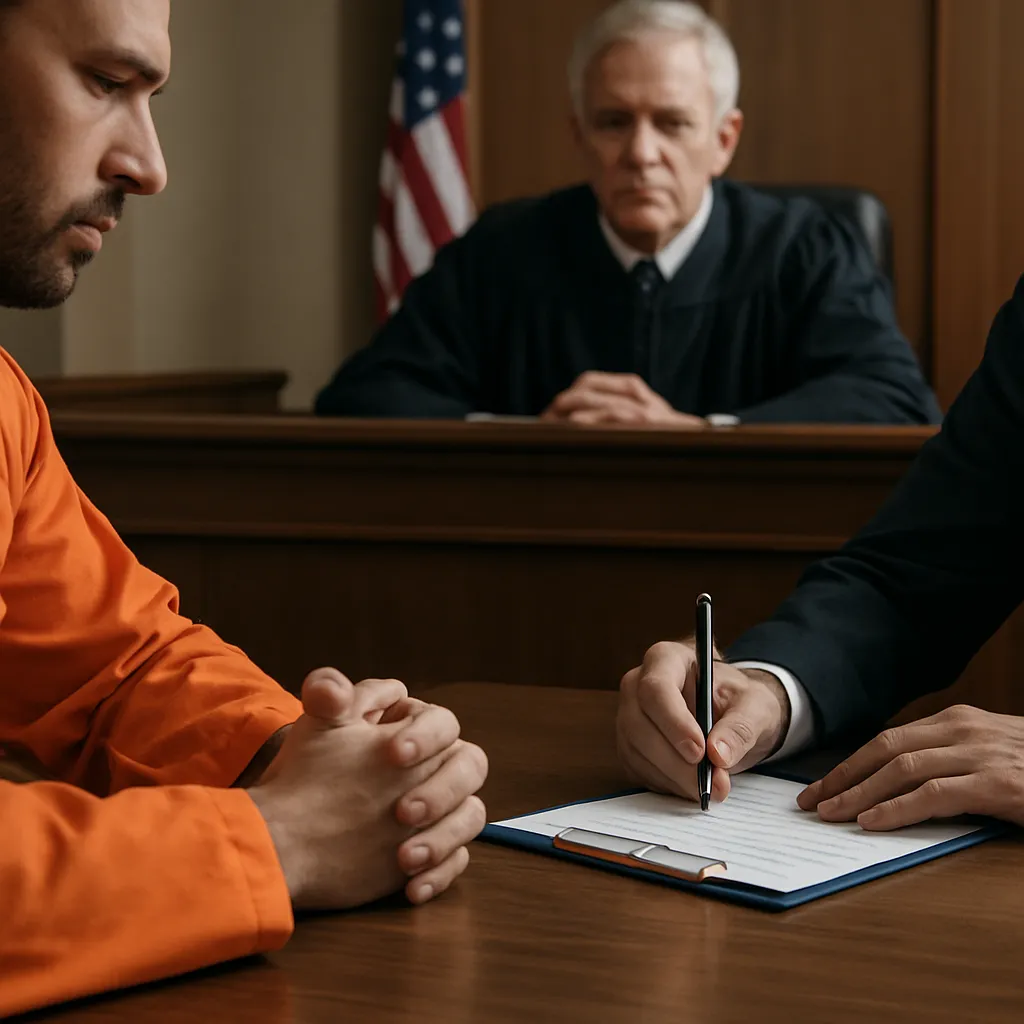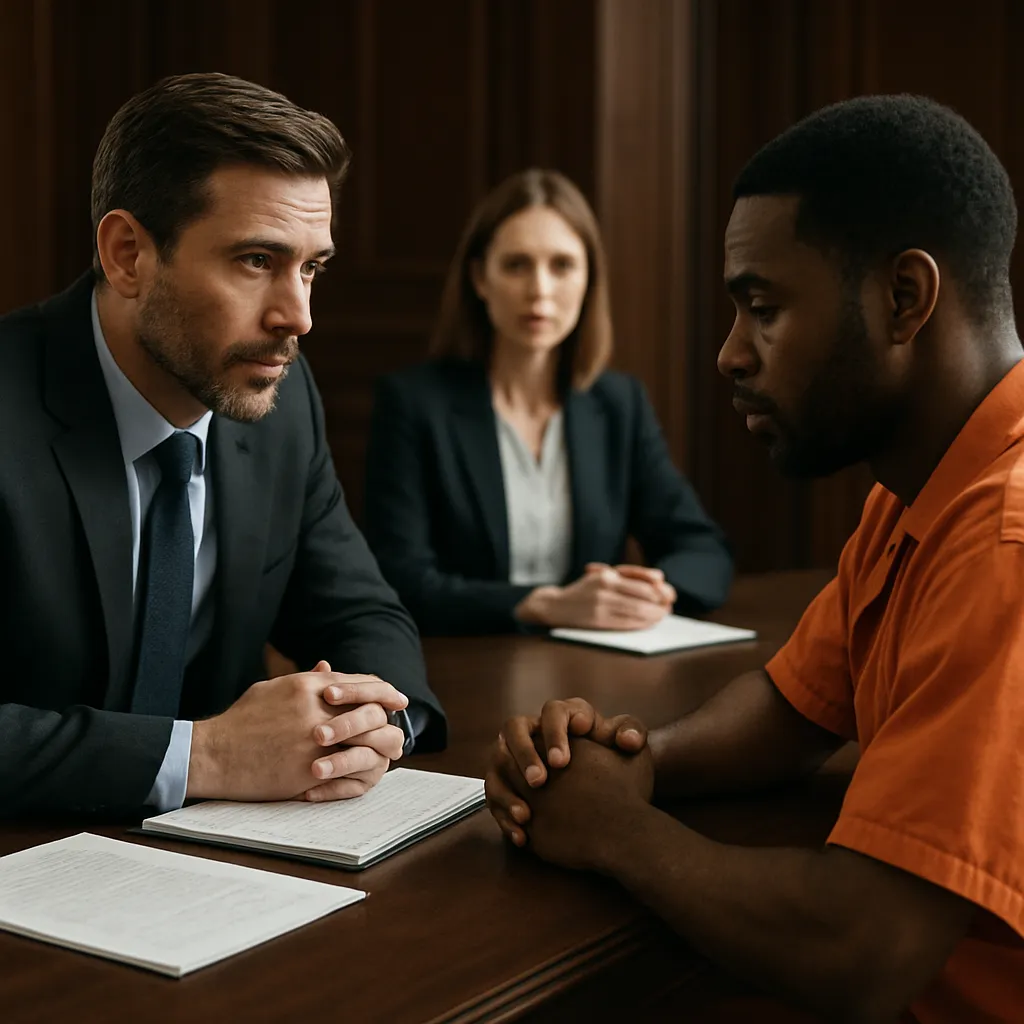
The role of a paralegal in criminal law extends far beyond basic administrative tasks. Working closely with criminal defense teams, these professionals provide essential support that can determine the course of a case. Their expertise in research, investigation, and case management ensures that attorneys can focus on strategy and courtroom advocacy. This article explores the multifaceted responsibilities, collaborative dynamics, and professional standards that define the paralegal’s contribution to criminal defense.
Understanding the Paralegal’s Role in Criminal Defense
In a criminal law office, paralegals act as the backbone of the defense team. They bridge the gap between clients, attorneys, and the court system. While not authorized to practice law, paralegals carry out a variety of tasks under an attorney’s supervision. Their day-to-day activities often include:
- Gathering and organizing case files
- Conducting factual and legal research on statutes, precedents, and regulations
- Interviewing clients, witnesses, and experts
- Maintaining strict confidentiality with sensitive information
Through diligent attention to detail, paralegals ensure that all documents are accurate, timely, and compliant with court rules. Their ability to manage large volumes of data and present it in a coherent format is a critical asset for any criminal lawyer.
Key Responsibilities and Tasks
The scope of a paralegal’s work in criminal law is both diverse and demanding. Key responsibilities often include:
- Case Preparation: Drafting motions, subpoenas, and discovery requests; organizing exhibits for trial;
- Evidence Analysis: Reviewing police reports, forensic records, and surveillance footage to identify inconsistencies or procedural errors;
- Legal Research: Locating relevant case law, statutes, and regulatory materials that support defense theories;
- Client Interaction: Maintaining regular communication with clients to gather facts, answer procedural questions, and provide updates;
- Trial Support: Assisting with jury selections, preparing trial notebooks, and coordinating witness schedules;
- Document Management: Ensuring pleadings, briefs, and correspondence adhere to court formatting and deadlines;
- Investigation Coordination: Working alongside private investigators or law enforcement to collect affidavits, photographs, and expert statements;
- Compliance Monitoring: Verifying that all discovery obligations are met and that no procedural safeguards are overlooked;
- Technology Utilization: Employing case management software, e-discovery tools, and secure file storage solutions;
- Trial Logistics: Coordinating travel, lodging, and courtroom technology setup for attorneys and witnesses.
Each of these tasks requires meticulous organization, strong communication skills, and an unwavering commitment to ethical standards.
Collaboration and Communication with Criminal Lawyers
Effective teamwork between paralegals and criminal attorneys is essential for a successful defense. Paralegals often serve as the first point of contact for clients, distilling complex legal concepts into understandable terms. By managing calendars, deadlines, and trial preparation, they allow attorneys to focus on crafting persuasive arguments and client representation.
Communication channels typically include:
- Daily briefings on case developments
- Shared digital workspaces for real-time document collaboration
- In-person or virtual strategy sessions before key hearings
- Timely updates on discovery responses or new evidence
By staying proactive, paralegals help lawyers anticipate challenges, identify areas for further investigation, and refine legal strategies. This partnership amplifies the attorney’s ability to wield advocacy effectively in the courtroom.
Ethical Considerations and Confidentiality
Paralegals in criminal law are bound by strict professional and ethical guidelines. They must never offer legal advice or represent themselves as licensed attorneys. Key ethical obligations include:
- Maintaining client-attorney privilege by safeguarding case materials
- Avoiding conflicts of interest when handling multiple cases
- Ensuring accuracy and honesty in all filings and communications
- Respecting court deadlines and procedural norms to prevent sanctions
Upholding these principles protects both the client’s rights and the integrity of the legal process. Strong ethical conduct fosters trust within the legal team and with external stakeholders like judges, prosecutors, and expert witnesses.
Professional Development and Career Path
Criminal law paralegals often begin their careers with a certificate or associate degree in paralegal studies. Continued education and certifications—such as those offered by the National Association of Legal Assistants (NALA) or the National Federation of Paralegal Associations (NFPA)—enhance credibility and open doors to advanced roles.
Key skills and competencies for career growth include:
- Critical Thinking: Evaluating evidence and legal arguments to identify strengths and weaknesses;
- Technological Proficiency: Mastering e-discovery platforms, trial presentation software, and case management tools;
- Interpersonal Skills: Building rapport with clients, witnesses, and legal team members;
- Detail Orientation: Spotting discrepancies in documents or testimony that could sway case outcomes;
- Resourcefulness: Locating obscure records and leveraging expert networks for specialized insights.
Experienced paralegals may advance to supervisory or managerial positions within law firms, government agencies, or public defender offices. Some transition into related fields such as corporate compliance, policy analysis, or legal consulting, leveraging their criminal law expertise to navigate complex regulatory environments.