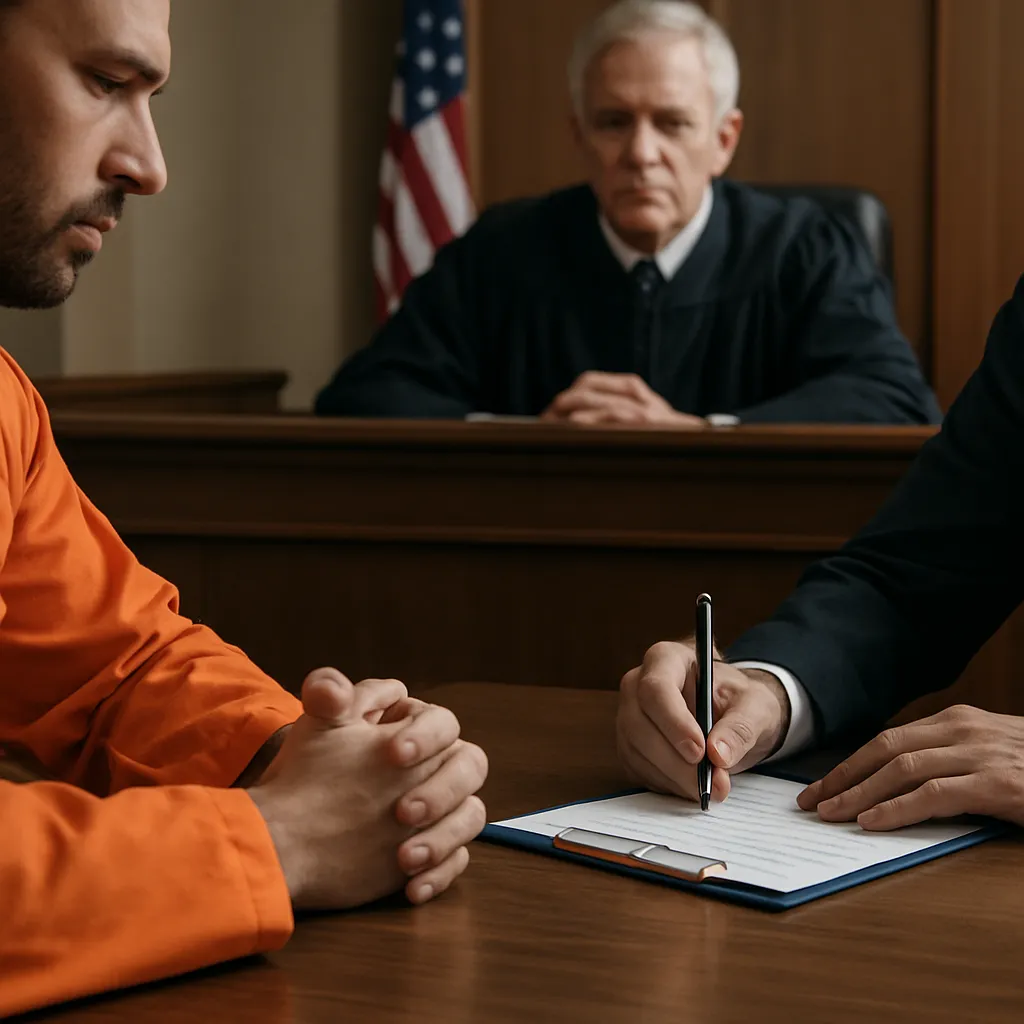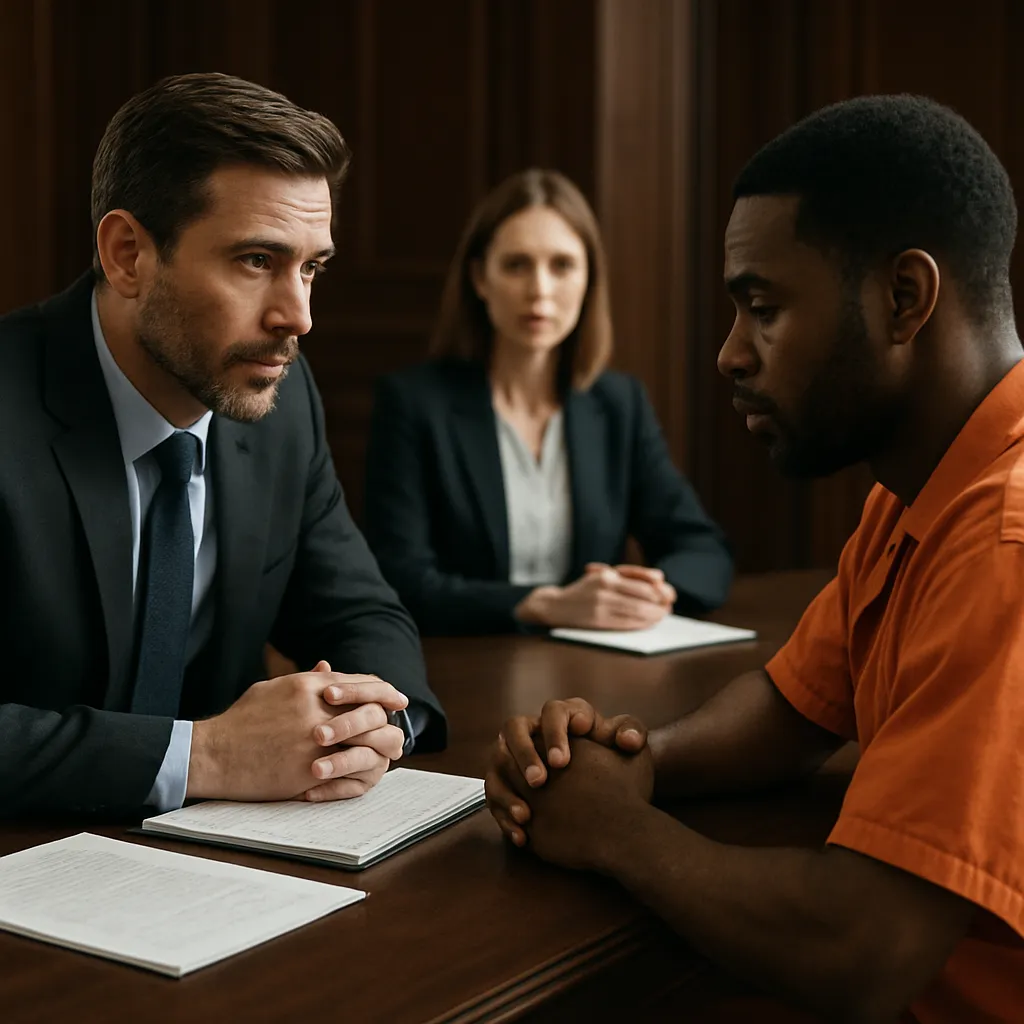
The process of discovery serves as the backbone of fairness and transparency in a criminal proceeding. By compelling both the prosecution and the defense to exchange relevant information, discovery limits surprises at trial and upholds the defendant’s constitutional rights. Understanding how discovery operates, the obligations it imposes on criminal lawyers, and the strategic choices it presents is crucial for any practitioner or observer of the criminal justice system.
The Fundamentals of Criminal Discovery
At its core, criminal discovery refers to the legal mechanism through which parties obtain evidence and information from one another. Unlike civil litigation, where discovery can be broad and expansive, criminal discovery is often more circumscribed to protect confidentiality and privacy while ensuring a fair trial. Each jurisdiction has its own rules, but certain principles—such as reciprocity and notice—are nearly universal.
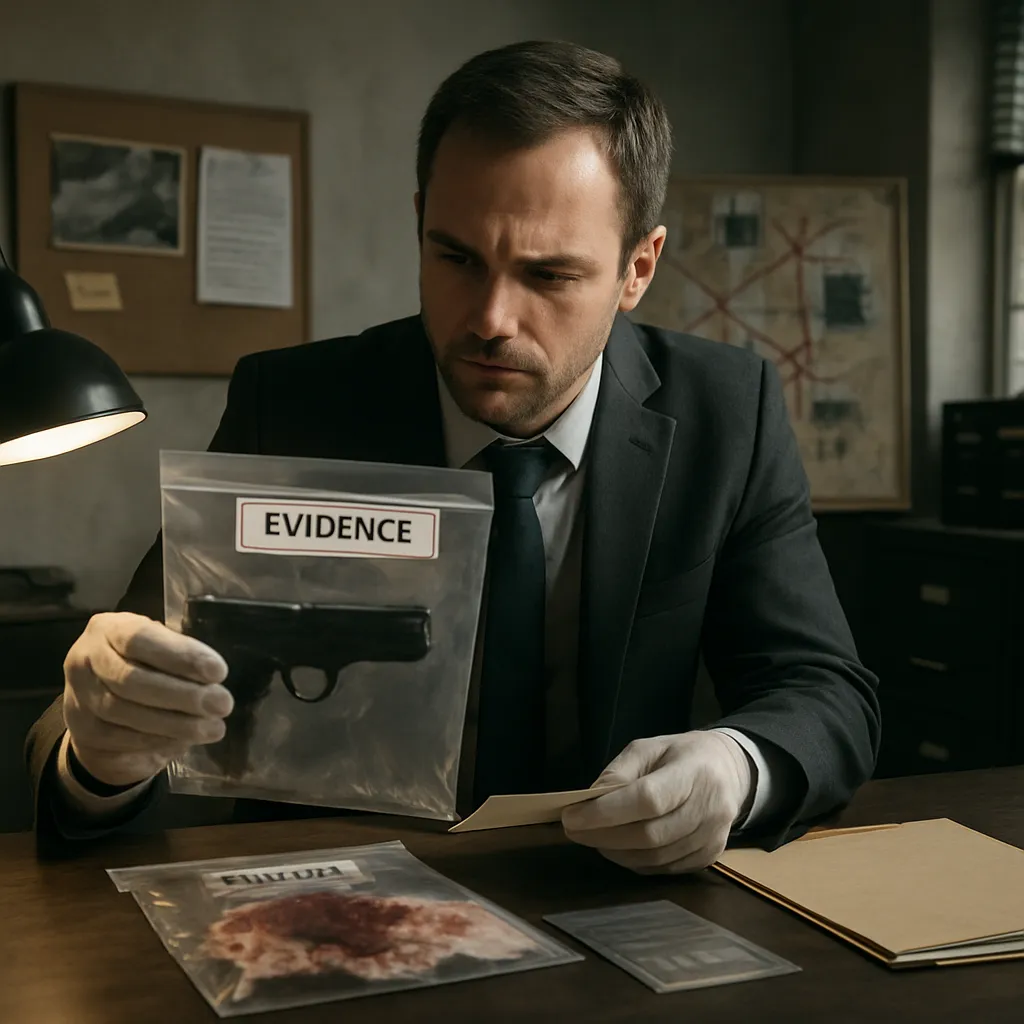
One of the earliest stages in a criminal case involves the defense submitting formal requests for materials held by the prosecution. These requests may cover police reports, witness statements, physical exhibits, forensic analyses, and digital data. The prosecution, in turn, may request information such as alibi witness lists, expert reports, and other supporting documents in the defense’s possession.
Discovery obligations rest on the principle that each side should know what evidence will be presented at trial. This requirement stems from the due process guarantee, ensuring that no party is ambushed by undisclosed evidence. In the absence of reliable discovery, trials risk devolving into contests of attrition rather than reasoned fact-finding.
Importantly, discovery is not a one-time exchange but an ongoing duty. New evidence may emerge at any stage of a case—after motions, during pretrial hearings, or even at trial itself. Both sides must stay vigilant and update their disclosures promptly, preserving the integrity of the process.
Failure to comply with discovery rules can lead to serious consequences. Courts may impose sanctions ranging from evidence exclusion to outright dismissal of charges or striking of defenses. For criminal lawyers, understanding procedural timelines and specific disclosure obligations is essential to avoid these pitfalls.
Mandatory and Optional Disclosures
Statutes and rules generally distinguish between mandatory disclosures—those the prosecution must provide without request—and optional disclosures, which require a written motion. Mandatory items typically include arrest reports, recorded statements, and documented exculpatory evidence under the Brady rule. This latter requirement compels the prosecution to reveal any evidence favorable to the defense that could negate guilt or reduce the potential sentence.
Optional disclosures cover a broader range of materials. Defense lawyers often file motions to compel production of witness interviews, laboratory notes, surveillance footage, and electronic communications. They may seek to inspect crime scene photographs or obtain records of any police misconduct in the case.
On the defense side, disclosures can include expert witness reports and summaries, alibi defenses, and character evidence intended to show the defendant’s good reputation. Although many jurisdictions limit the defense’s mandatory disclosures, strategic sharing of select materials can strengthen trust with the court and avoid later challenges.
Discovery disputes often center on scope and relevance. The defense might argue that certain materials are essential to impeaching a key witness, while the prosecution may deem them irrelevant or privileged. In such instances, lawyers file motions with the court to resolve the conflict, often resulting in in camera reviews or protective orders to balance transparency with privacy.
Protective orders can limit who sees sensitive information, such as witness addresses or confidential informant identities. They may also restrict the use of disclosed materials to case preparation only, preventing public dissemination that could jeopardize witness safety or taint potential jurors.
Strategic Use of Discovery in Defense Practice
For criminal defense attorneys, discovery is not merely an obligation but a strategic tool. By thoroughly analyzing the prosecution’s evidence, attorneys can identify weaknesses, inconsistencies, or avenues for negotiation. Early discovery review often drives case assessment and informs decisions about plea offers.
Lawyers may leverage discovery to file dispositive motions, such as motions to suppress unlawfully obtained evidence. If the defense uncovers proof that police conducted an illegal search, for instance, filing a motion could exclude critical items from trial—a potentially case-changing outcome.
Another strategic advantage lies in witness preparation. Access to statements allows the defense to anticipate testimony, probe for discrepancies, and prepare effective cross-examination. Impeachment strategies often hinge on minor details revealed during discovery, casting doubt on a witness’s credibility or memory.
Defense teams can also compare forensic reports with underlying lab notes to detect errors or bias. Engaging independent experts early may uncover alternative interpretations, strengthening the defense’s position and even prompting the prosecution to reconsider the strength of their case.
Finally, discovery enables attorneys to craft creative defense theories. Whether challenging the chain of custody, alleging entrapment, or presenting affirmative defenses, having a comprehensive evidentiary picture is indispensable. Each disclosed document contributes to a mosaic that shapes trial strategy.
Prosecutorial Obligations and Ethical Considerations
Prosecutors bear significant ethical duties in the discovery process. Their role transcends winning convictions; they must seek justice and maintain the integrity of the system. This includes a proactive duty to disclose Brady material even if not formally requested by the defense.
Ethical guidelines forbid suppression of exculpatory evidence or willful delay in production. Such misconduct can lead to mistrials, disciplinary action, and even civil liability. Prosecutors who fail to comply risk undermining public confidence and harming the very innocent persons the system is designed to protect.
Transparency also deter s selective disclosure, where the prosecution might withhold information to gain tactical advantage. Robust oversight by defense counsel and the judiciary is essential to deter such behavior. Courts regularly conduct case management conferences to ensure all participants meet their obligations.
When sensitive information is at issue—such as juvenile records or privileged communications—courts weigh the need for disclosure against privacy rights. Judges may employ redaction or sealed filings to preserve confidentiality while allowing defense counsel meaningful access.
Ultimately, the ethical prosecution of criminal cases requires a balance between zealous advocacy and fair play. Discovery rules embody this balance, ensuring that every defendant receives a transparent and just process.
Challenges and Emerging Trends
Technological advances have expanded the scope of discoverable materials. Digital evidence—smartphone data, social media content, GPS logs—presents both opportunities and challenges. Defense attorneys must stay adept at forensic tools and e-discovery procedures to sift through vast troves of data effectively.
Additionally, resource disparities between prosecution offices and public defenders can impact discovery quality. Underfunded defense offices may struggle to review materials promptly, potentially delaying proceedings. Some jurisdictions address this through discovery reform initiatives, mandating early and automated electronic exchange of information.
Diversity and bias concerns also inform discovery debates. Defense lawyers increasingly seek records on police stops, search patterns, and racial profiling data to support claims of discriminatory enforcement. Such information can be crucial for motions alleging selective prosecution or unconstitutional practices.
Moreover, restorative justice models are prompting new approaches to information sharing. Some courts encourage collaborative discovery meetings, where parties discuss key issues and narrow disputes before formal motions. This cooperative stance can reduce litigation costs and promote settlement without compromising adversarial safeguards.
As criminal law evolves, discovery remains a dynamic field. Lawyers and judges must adapt to new evidence types, uphold ethical standards, and leverage procedural innovations to ensure that the promise of a fair trial is realized for every defendant.