Criminal investigations demand a meticulous approach, intertwining legal and procedural expertise with cutting-edge scientific techniques. Each phase from the initial response to courtroom advocacy shapes the trajectory of a case. This article explores the key stages involved when a crime is reported, highlighting how legal counsel and law enforcement collaborate to secure justice.
Initial Response and Arrest Process
Securing the Crime Scene
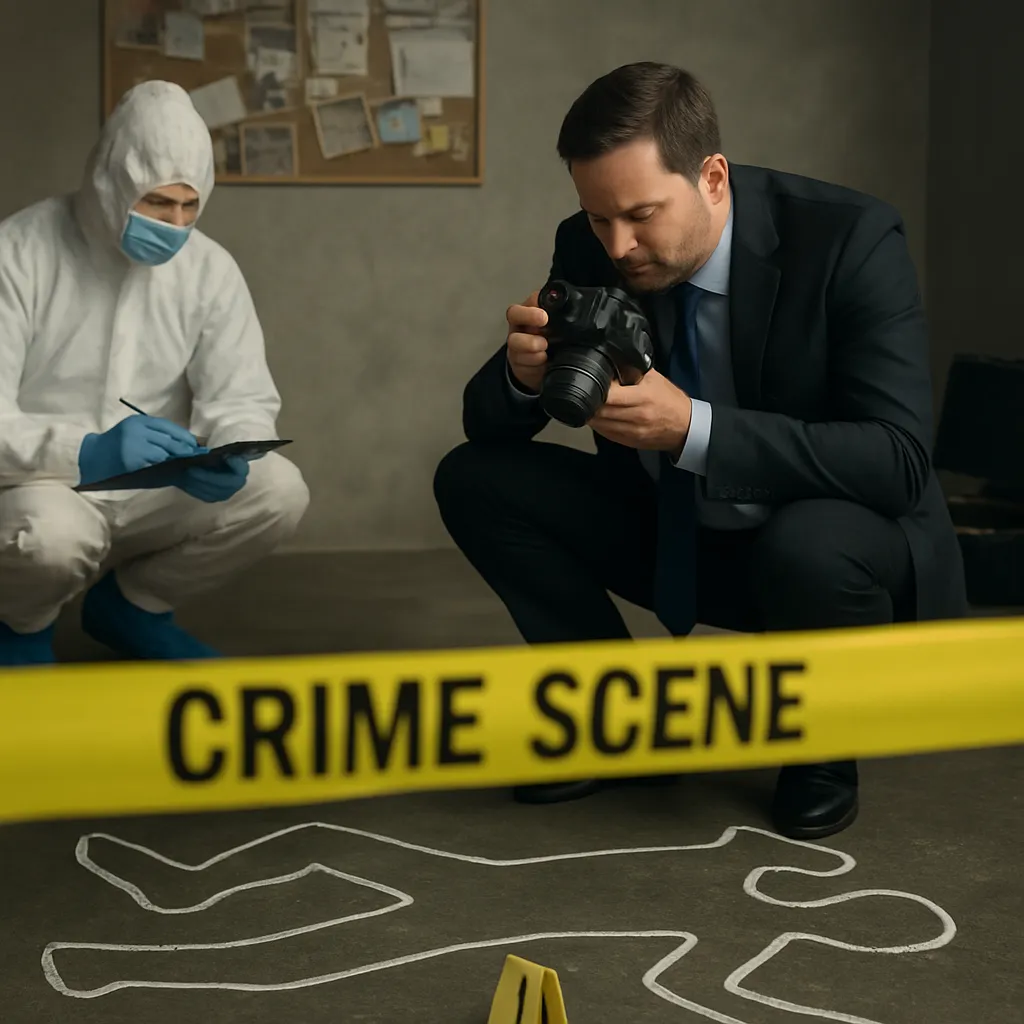
Once an incident is reported, first responders must establish a controlled perimeter to preserve critical evidence. Officers cordon off areas to prevent contamination, documenting every entry and exit. Photographs, sketches, and video recordings form the backbone of the scene’s integrity, ensuring that nothing is overlooked.
- Marking physical evidence with numbered placards
- Protecting biological traces such as blood or fibers
- Recording environmental conditions like lighting and weather
Detaining the Suspect
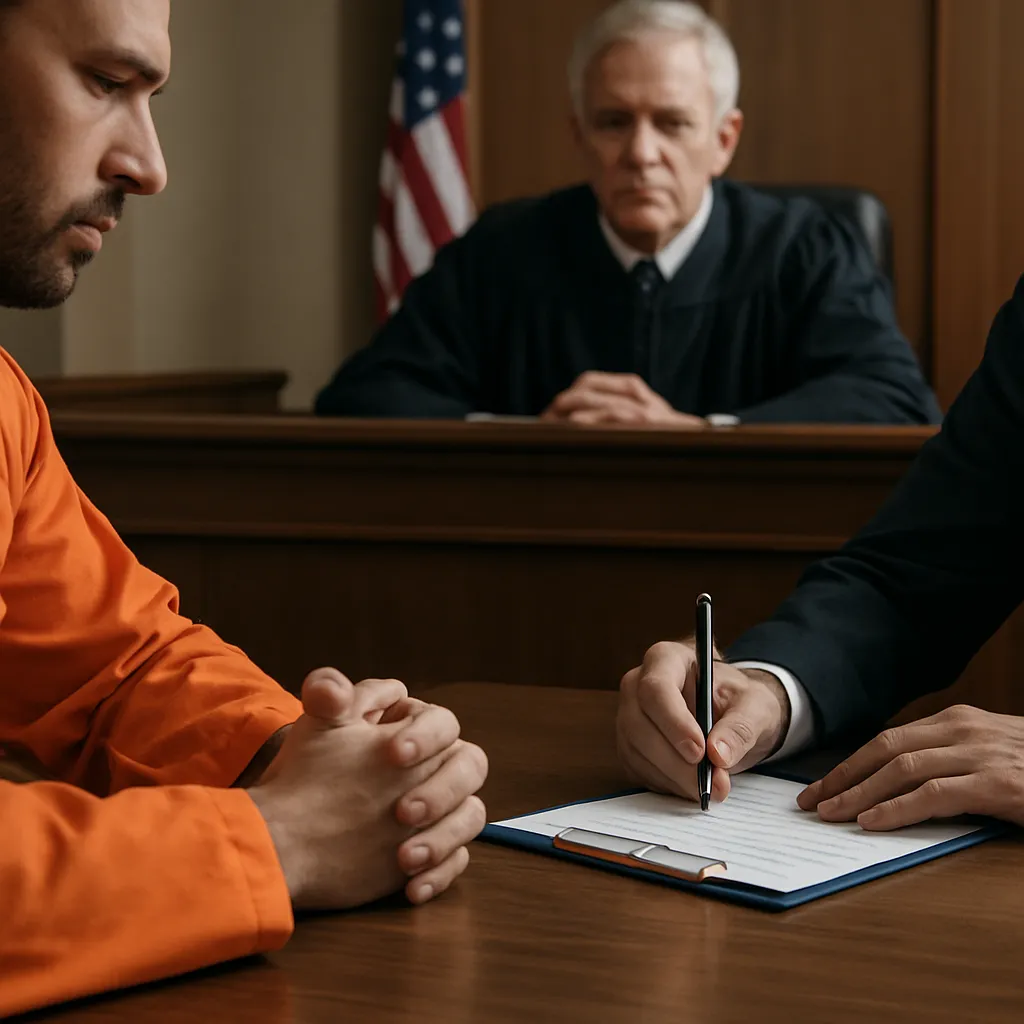
When probable cause is established, law enforcement proceeds with the arrest. Officers must read Miranda rights and adhere to constitutional safeguards. A smooth detainment hinges on balancing public safety with the suspect’s civil liberties. Once in custody, the individual enters the criminal justice system, where a defendant must be promptly informed of the charges against them.
Investigative Techniques and Evidence Gathering
Forensic Analysis
Modern investigations rely heavily on forensic sciences. Crime labs analyze DNA samples, trace elements, and ballistic evidence to establish links between suspects and criminal acts. The admissibility of these findings depends on rigorous chain-of-custody protocols and peer-reviewed methodologies.
- DNA profiling to match biological samples
- Fingerprint comparison using automated databases
- Ballistics testing to trace firearm discharge
Conducting Interviews and Interrogation
Detectives interview witnesses and persons of interest, employing strategic questioning techniques. While standard interviews gather factual accounts, a formal interrogation seeks confessions or admissions. Legal observers ensure that investigators respect constitutional boundaries, minimizing the risk of false statements.
Search Warrants and Seizures
To lawfully inspect private property, officers obtain a search warrant backed by affidavits detailing probable cause. Judges scrutinize these requests to uphold due process. Once granted, investigators seize physical items, digital devices, or documents relevant to the case. Proper documentation during seizures is essential to prevent claims of evidence tampering.
Legal Considerations and the Role of Criminal Lawyers
Ensuring Due Process
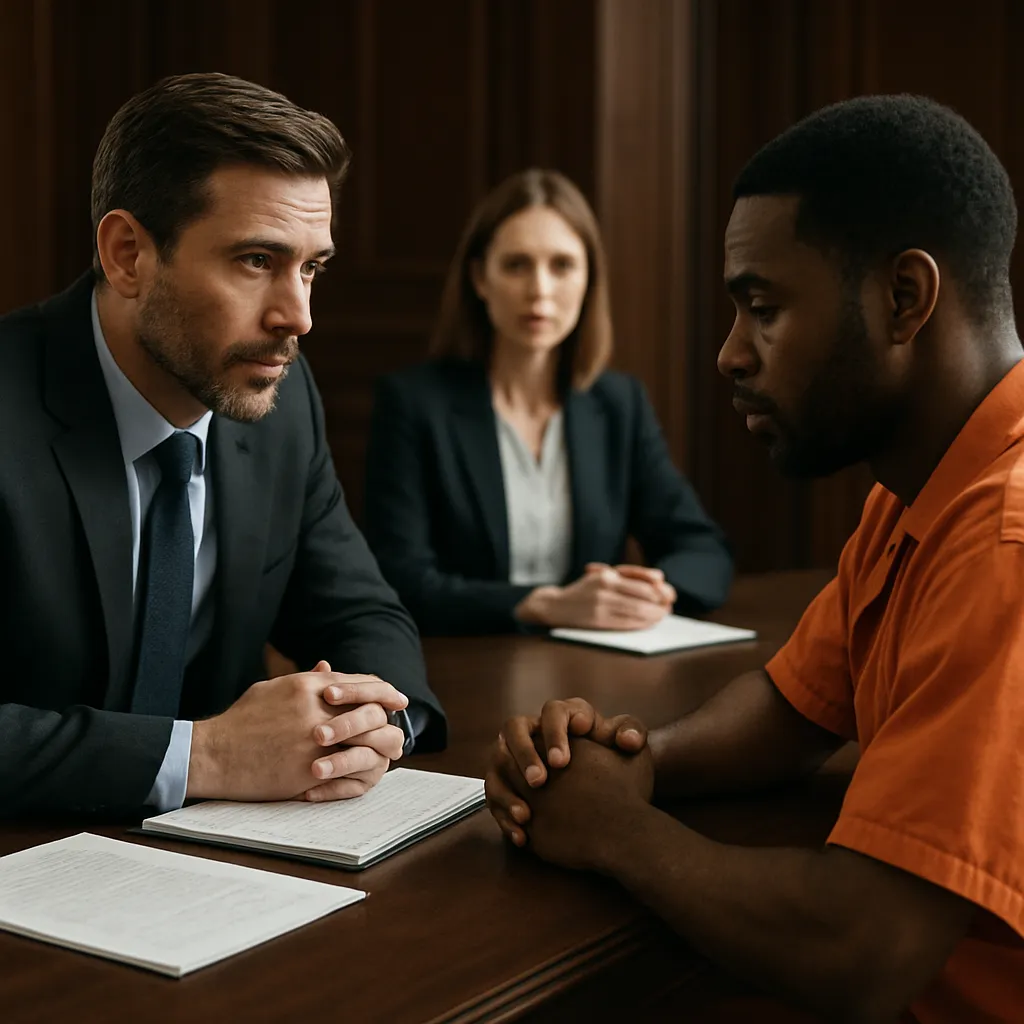
Criminal lawyers safeguard the rights of the accused by monitoring each investigative step. From pre-arrest surveillance to detention conditions, defense counsel challenges any procedural missteps. Courts evaluate whether law enforcement actions align with constitutional mandates, such as the Fourth Amendment protection against unreasonable searches.
Interaction with the Prosecutor
Defense attorneys engage in dialogue with prosecutors to clarify charges and evidence. This negotiation phase can lead to alternative resolutions, reducing trial length and cost. Transparency in disclosure obligations ensures both sides have access to witness statements and forensic data.
Plea Negotiations and Bargain Strategies
Plea discussions offer a mechanism to resolve cases without a full trial. The defense evaluates potential sentences against the strength of the evidence. A well-crafted plea offer can mitigate exposure to harsh penalties and streamline court calendars. Attorneys must ensure clients make informed decisions, understanding the long-term consequences of a plea.
Pre-Trial Motions and Court Preparation
Filing Pre-Trial Motions
Before trial, attorneys file motions to exclude improperly obtained evidence or challenge jurisdiction. Common motions include:
- Motion to Suppress evidence (arguing constitutional violations)
- Motion for Discovery (compelling the prosecutor to share materials)
- Motion to Dismiss (based on insufficient evidence or legal defects)
Building a Trial Strategy
Defense teams collaborate with investigators to reconstruct timelines, vet alibi witnesses, and consult expert analysts. They prepare direct and cross-examinations to highlight uncertainties in the prosecution’s case. Mock trials and jury focus groups allow lawyers to refine argumentation and anticipate challenges.
Trial Proceedings and Advocacy
Voir Dire and Jury Selection
The jury selection phase—known as voir dire—enables attorneys to screen potential jurors for biases. Both sides exercise peremptory challenges and cause-based dismissals to shape a fair panel. A balanced jury enhances the likelihood of an impartial verdict.
Presentation of Evidence
During trial, the prosecution presents its case-in-chief by calling witnesses and introducing physical exhibits. The defense counters by objecting to inadmissible materials and offering alternative interpretations. Each piece of testimony and exhibit must satisfy rules of relevance and reliability.
Closing Arguments and Verdict
In their closing statements, attorneys summarize key points, weaving together factual findings and legal standards. Jurors then deliberate, applying the burden of proof—beyond a reasonable doubt—to the presented evidence. The final verdict determines the outcome: conviction or acquittal, impacting sentencing recommendations.
Aftermath and Appeals
Post-Conviction Remedies
Following a conviction, defense counsel may pursue appeals, challenging trial errors or newly discovered evidence. Appellate courts review lower court decisions for legal correctness, ensuring adherence to established precedents.
Reintegration and Restorative Justice
Alternative programs, such as probation or community service, focus on rehabilitation rather than incarceration. Restorative justice initiatives engage victims and offenders in dialogue, aiming to repair harm and foster accountability.
The criminal investigation process intertwines procedural rigor with dynamic legal advocacy. At every juncture—from securing the scene to orchestrating defense strategies—lawyers and investigators collaborate to uphold the rule of law and protect individual rights.