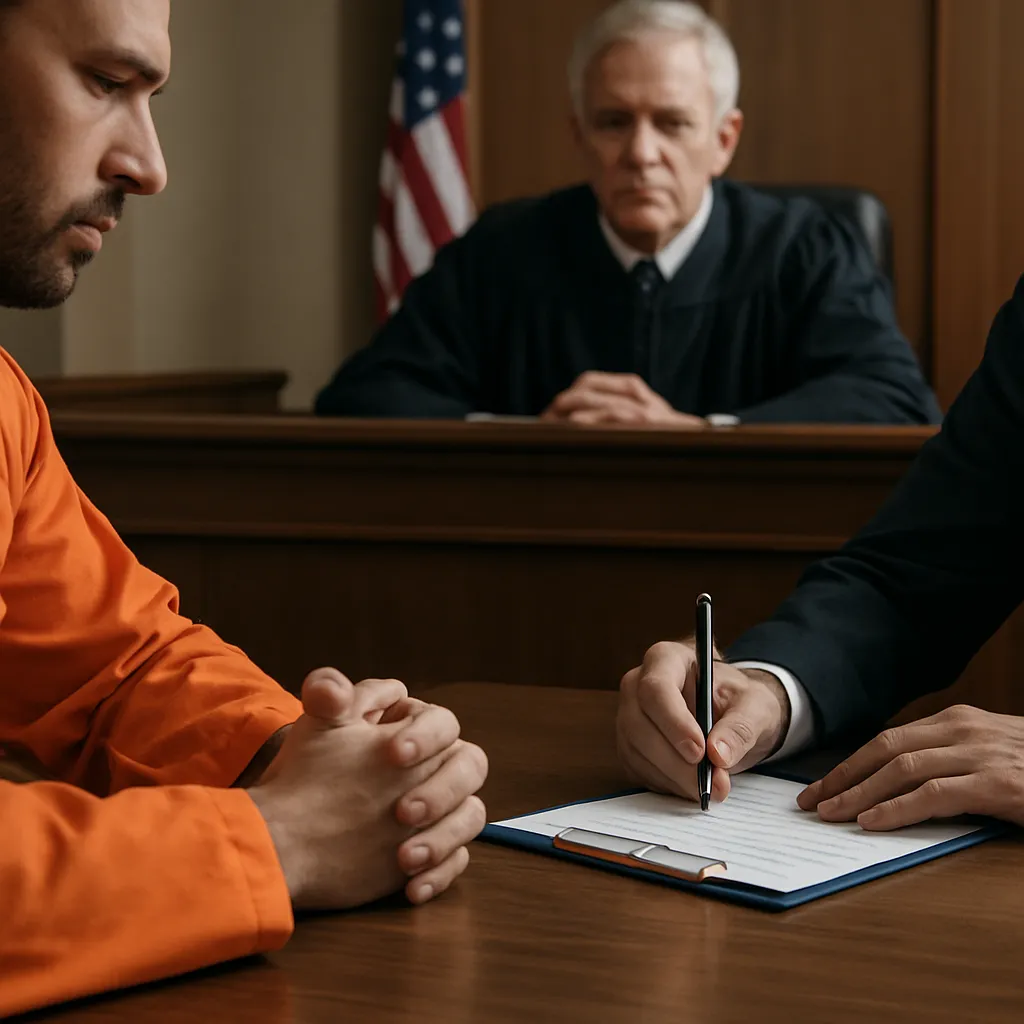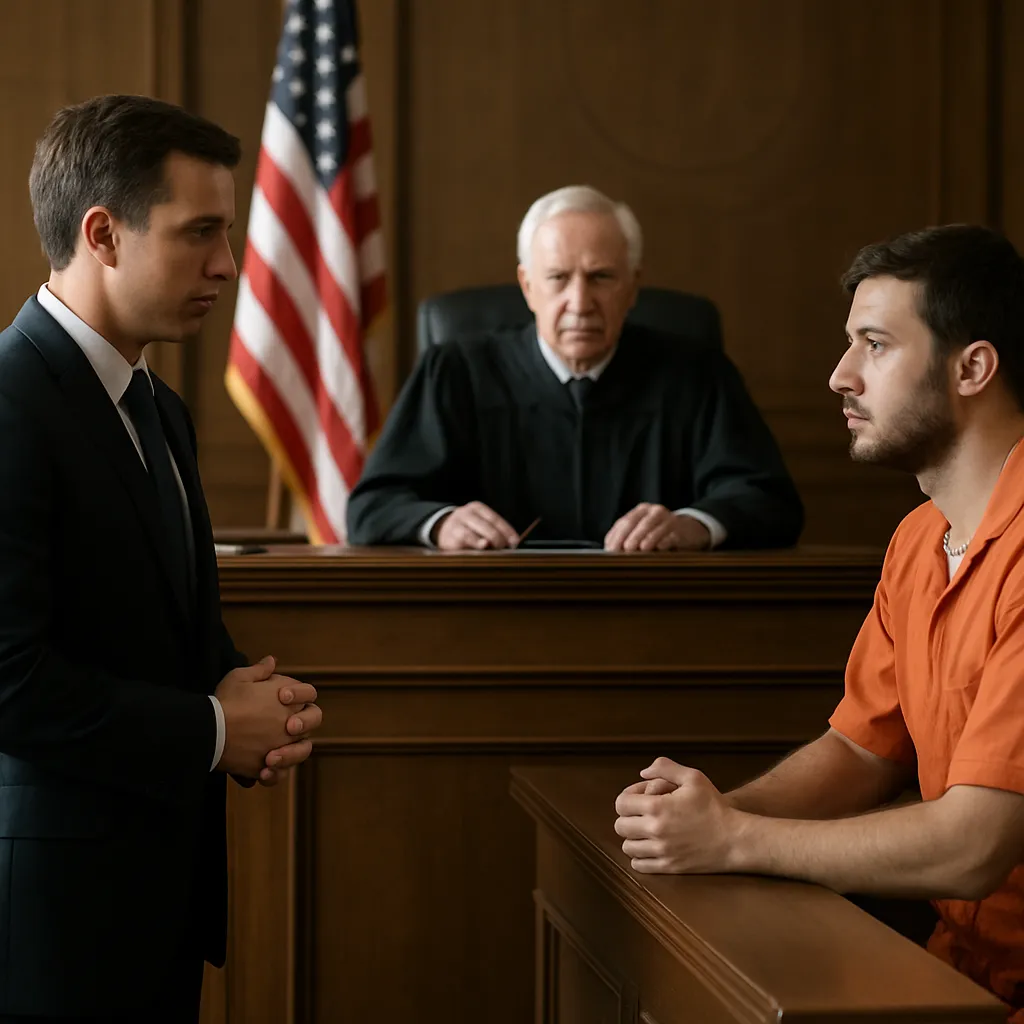
Entering a plea in criminal court represents a pivotal moment for any defendant. This decision shapes not only the trajectory of the case but also the ultimate sentence and potential lifelong consequences. Understanding the array of available pleas and the strategic considerations behind each option is crucial for anyone navigating the criminal justice system.
Overview of Criminal Pleas
A plea is a formal statement made by the accused in court, indicating how they wish to respond to criminal charges. In the United States and many other common law jurisdictions, a defendant typically chooses between several standardized responses. The type of plea entered often determines the next procedural steps, ranging from a full-scale trial to immediate sentencing hearings.
At its core, the plea process aims to resolve cases efficiently, respect constitutional rights, and allocate judicial resources where they are most needed. Pleas may be entered in person at an arraignment or through pretrial motions, but all require court approval. Judges maintain discretion to accept or reject certain types of pleas—especially those that circumvent a finding of factual guilt, such as a plea of no contest.
Key Plea Options
The criminal justice system recognizes several primary pleas:
- Guilty
- Not Guilty
- No Contest (Nolo Contendere)
- Alford Plea
- Insanity or Other Special Pleas
Guilty Plea
By pleading guilty, the defendant admits to committing the offense as charged. This plea expedites case resolution and often enables both parties to negotiate a more lenient sentence. One of the most common plea agreements arises when prosecutors offer reduced charges or sentencing recommendations in exchange for the plea, thereby achieving a level of bargaining that benefits the court’s docket and the parties involved.
Not Guilty Plea
A plea of not guilty asserts that the charges lack sufficient proof or are otherwise unjustified. Once entered, the case proceeds to pretrial discovery, motions, and potentially a jury or bench trial. This route preserves every legal avenue for the defendant, including suppression of evidence, witness cross-examination, and the possibility of complete acquittal.
No Contest (Nolo Contendere)
A no contest plea indicates that the defendant does not contest the charges but does not expressly admit guilt. Functionally, it permits the court to impose a conviction and sentence as if a guilty plea had been entered, with the key advantage being limited liability in related civil litigation. Some jurisdictions restrict or prohibit no contest pleas for serious offenses, so strategic counsel is essential in evaluating this option.
Alford Plea
Under an Alford plea, the defendant pleads guilty while maintaining innocence, based on the belief that the prosecution’s evidence could lead to a conviction. Named after the Supreme Court case North Carolina v. Alford, this plea allows the court to treat the defendant as guilty for trial purposes without an explicit admission of culpability. Judges may require a detailed colloquy to ensure voluntariness and factual basis.
Insanity and Other Special Pleas
Defendants may invoke statutory defenses that place jurisdictional burdens on the prosecution. For example, an insanity plea challenges the defendant’s mental state at the time of the offense. Other pleas, such as duress or entrapment, raise affirmative defenses. Successful assertion of a special plea could result in dismissal, diversion to treatment programs, or civil commitment instead of conventional incarceration.
Plea Bargaining and Strategic Considerations
Plea bargaining remains the linchpin of modern criminal practice. Over 90% of federal and state cases resolve through negotiated pleas rather than trials. The process typically unfolds in three phases:
- Initial Discussions: Defense counsel and prosecutors exchange views on case strengths, potential mitigation factors, and appropriate sentencing ranges.
- Formal Offers: Written plea agreements specify charges to be dismissed, sentencing recommendations, and any ancillary conditions such as restitution or probation.
- Judicial Review: The judge evaluates the agreement’s fairness, ensures the defendant understands the rights they waive, and decides whether to accept or reject the proposed terms.
Key negotiations often revolve around charge severity, criminal history points, mandatory minimums, and alternative sentencing options like community service or drug treatment. Defense attorneys leverage factors such as unreliable evidence, potential Fourth Amendment violations, or witness credibility issues to secure favorable plea terms.
The Role of Legal Counsel
Effective advocacy by counsel can dramatically influence outcomes. Skilled lawyers conduct thorough investigations, engage forensic experts, and craft persuasive memoranda to challenge prosecutorial theories. They also counsel clients on the inherent risks of going to trial, including the possibility of consecutive sentencing or harsher penalties if convicted.
Timing is another critical strategic element. Early plea acceptance might minimize pretrial incarceration but could limit discovery opportunities. Conversely, delaying negotiations until after a favorable pretrial ruling might strengthen bargaining leverage, though it risks case complexity or public scrutiny.
Factors Influencing Plea Decisions
Several factors weigh on a defendant’s choice:
- Strength of Prosecution’s Evidence: Overwhelming forensic or eyewitness testimony may push towards a guilty plea.
- Potential Sentencing Exposure: Knowledge of sentencing guidelines and mandatory minimums frames risk tolerance.
- Collateral Consequences: Immigration status, professional licensure, and civil liabilities shape plea calculations.
- Personal Circumstances: Employment, family responsibilities, and mental health considerations can favor swift resolution.
- Judicial and Prosecutorial Tendencies: Courtroom dynamics and individual sentencing philosophies of judges and district attorneys influence acceptable plea terms.
Ethical and Procedural Safeguards
The legal system imposes rigorous safeguards to ensure pleas are knowing, voluntary, and supported by a factual basis. Defense attorneys must verify that clients understand their constitutional protections, including the right to remain silent, the right to confront witnesses, and the right to a jury trial.
Before accepting a guilty or no contest plea, judges conduct a plea colloquy, during which they:
- Confirm the defendant’s competence and mental fitness.
- Outline the rights being waived by pleading guilty.
- Ask whether any promises, threats, or coercion influenced the decision.
- Establish that a factual basis exists to support the charge.
Failure to adhere to these procedures can undermine the plea’s validity on appeal, potentially leading to exoneration or resentencing.