Police lineups play a critical role in the criminal justice process, shaping the course of investigations and trials. From the moment a witness is called upon to identify a suspect to the courtroom challenges over evidence admissibility, every step demands careful attention. Criminal lawyers must scrutinize lineup protocols to protect a defendant’s rights and ensure that identifications are both fair and accurate. This article explores what happens during a police lineup, the legal safeguards in place, and the emerging reforms designed to minimize wrongful convictions.
Understanding the Process of a Police Lineup
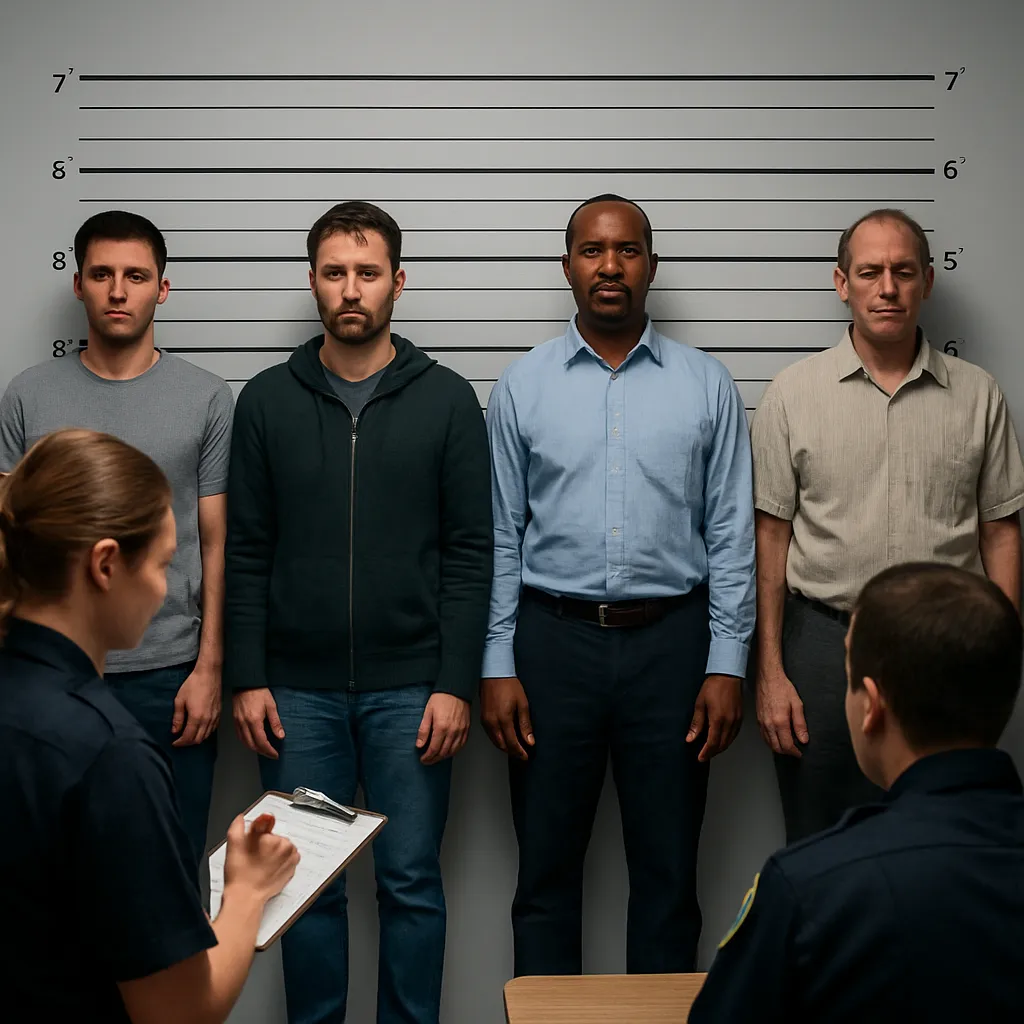
When law enforcement decides to conduct a lineup, a series of carefully orchestrated steps take place. The procedure typically begins after an arrest, once investigators gather preliminary evidence suggesting a suspect’s involvement in a crime. Before the lineup, officers select several individuals—known as “fillers”—who resemble the suspect in age, height, build, and other physical characteristics. This group is presented to an eyewitness for possible identification.
Photo vs. Live Lineups
- Photo lineup: Multiple images are displayed to the witness, usually on a computer screen or printed sheet.
- Live lineup: Fillers and the suspect stand in a room while the witness observes from behind a one-way mirror.
Both formats aim to balance practical constraints with fairness. A photo lineup may be more convenient, but a live lineup can reveal subtle mannerisms that a still photograph cannot. Throughout the process, a neutral administrator guides the witness, avoiding any verbal or nonverbal cues that could influence the identification.
Key Principles and Potential Pitfalls
- Suggestiveness: Administrators must refrain from steering the witness toward the suspect. Leading questions and feedback—such as nodding or verbal praise—can distort memory and increase the risk of misidentification.
- Reliability: Courts examine whether lineup procedures adhere to established standards, including the use of proper fillers and random placement of the suspect to prevent bias.
- Confirmation bias: An administrator’s own beliefs about a suspect can inadvertently affect how the lineup is conducted. Blind or double-blind protocols help mitigate this risk.
Any deviation from these principles may undermine the identification and invite suppression of the evidence. Criminal lawyers must review police reports, video recordings, and administrative notes to detect possible violations.
Defendant’s Rights and the Role of Defense Counsel
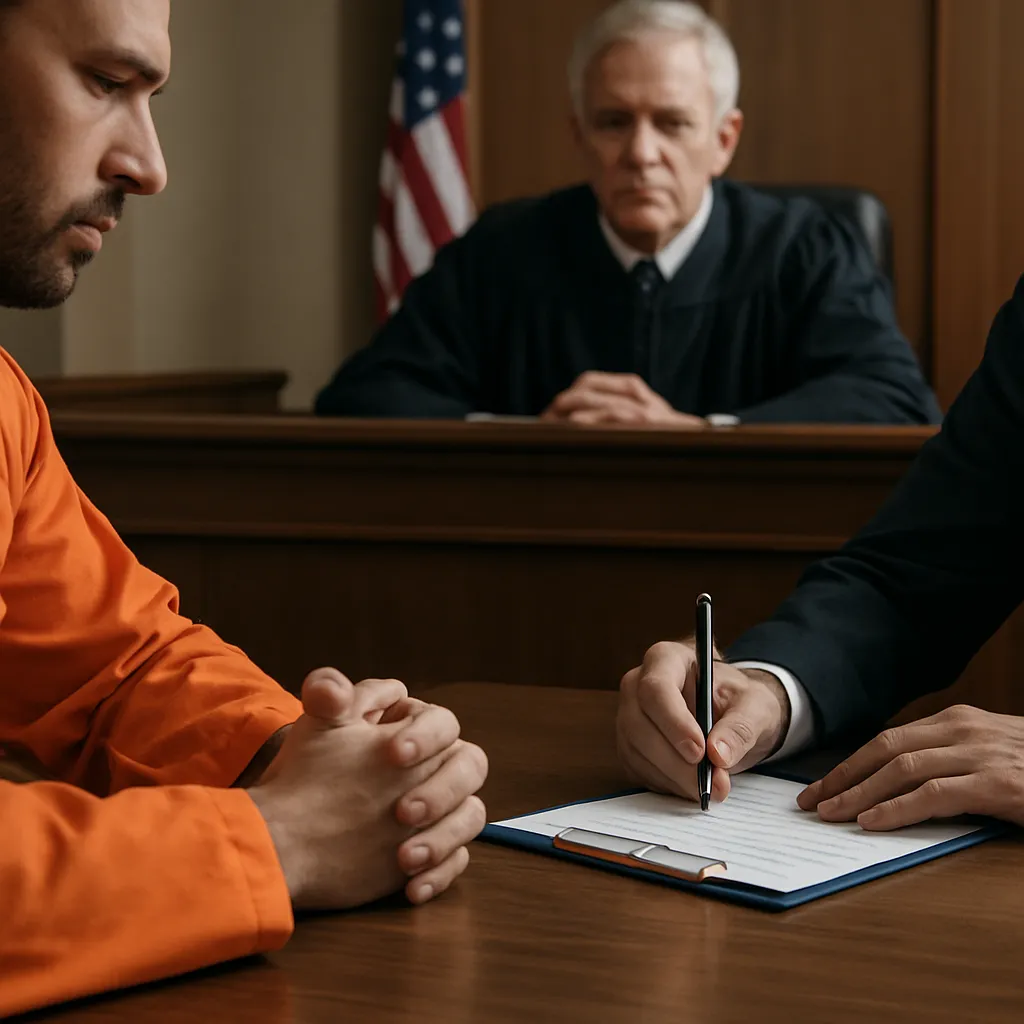
From the outset, a suspect retains several constitutional safeguards designed to ensure due process and maintain the presumption of innocence. A knowledgeable defense attorney intervenes at critical points to protect these rights and challenge any lineups that fall short of legal standards.
Right to Counsel
Once formal charges are filed, the Sixth Amendment grants the defendant the right to legal representation at all critical stages, including post-indictment lineups. If law enforcement attempts to conduct a lineup without notifying defense counsel, any resulting identification may be deemed inadmissible. Attorneys often demand advance notice of the lineup date, location, and participants to ensure the process remains fair.
Challenging Unfair Procedures
Defense lawyers scrutinize the following aspects:
- Whether the lineup composition was biased toward the suspect.
- Whether the administrator was truly blind to the suspect’s identity.
- Whether the witness received any post-identification feedback.
- Whether the filler selection met community appearance standards.
If any irregularity is found, a motion to suppress the identification evidence may be filed before trial. Successful suppression can significantly weaken the prosecution’s case, especially when other evidence is circumstantial.
Challenges and Emerging Reforms in Identification Procedures
Growing awareness of wrongful convictions has prompted legal scholars, psychologists, and advocacy groups to push for reforms. These changes aim to enhance the accuracy of eyewitness testimony and uphold fairness in criminal proceedings.
Adoption of Double-Blind Protocols
Under a double-blind lineup, neither the administrator nor the witness knows who the suspect is. This approach virtually eliminates unintended cues, reducing the risk of confirmation bias. More police departments are training officers to adhere to these protocols as part of standard practice.
Standardized Instructions and Documentation
Reformers advocate for the use of clear, consistent warnings given to witnesses before a lineup:
- “The perpetrator may or may not be present in this lineup.”
- “Please do not feel compelled to make an identification.”
Comprehensive video recording ensures transparency and provides a reliable record that courts can review. Proper documentation of the witness’s confidence level at the moment of identification also allows fact-finders to weigh reliability more accurately.
Judicial Scrutiny and Model Legislation
Several jurisdictions have introduced legislation requiring best practices for lineup administration. Courts increasingly apply a multi-factor test—covering factors like opportunity to view the offender, attention level, and time between the crime and identification—to assess evidentiary reliability. Under model lineup legislation, compliance with these factors can determine admissibility and reduce wrongful convictions.
As the legal landscape evolves, criminal lawyers play an indispensable role in ensuring that police lineups respect constitutional guarantees and reflect scientific insights into human memory. By scrutinizing every detail—from filler selection to administrator neutrality—defense counsel safeguard the rights of the accused while promoting the highest standards of justice.