The criminal justice system relies heavily on the jury’s ability to deliver a clear verdict. When jurors cannot reach a unanimous decision, the trial enters a complex procedural zone that affects all parties involved. Understanding what unfolds when the jury remains deadlocked can help defense attorneys, prosecutors, and defendants anticipate next steps and navigate the challenges of a hung jury.
The Concept of a Hung Jury
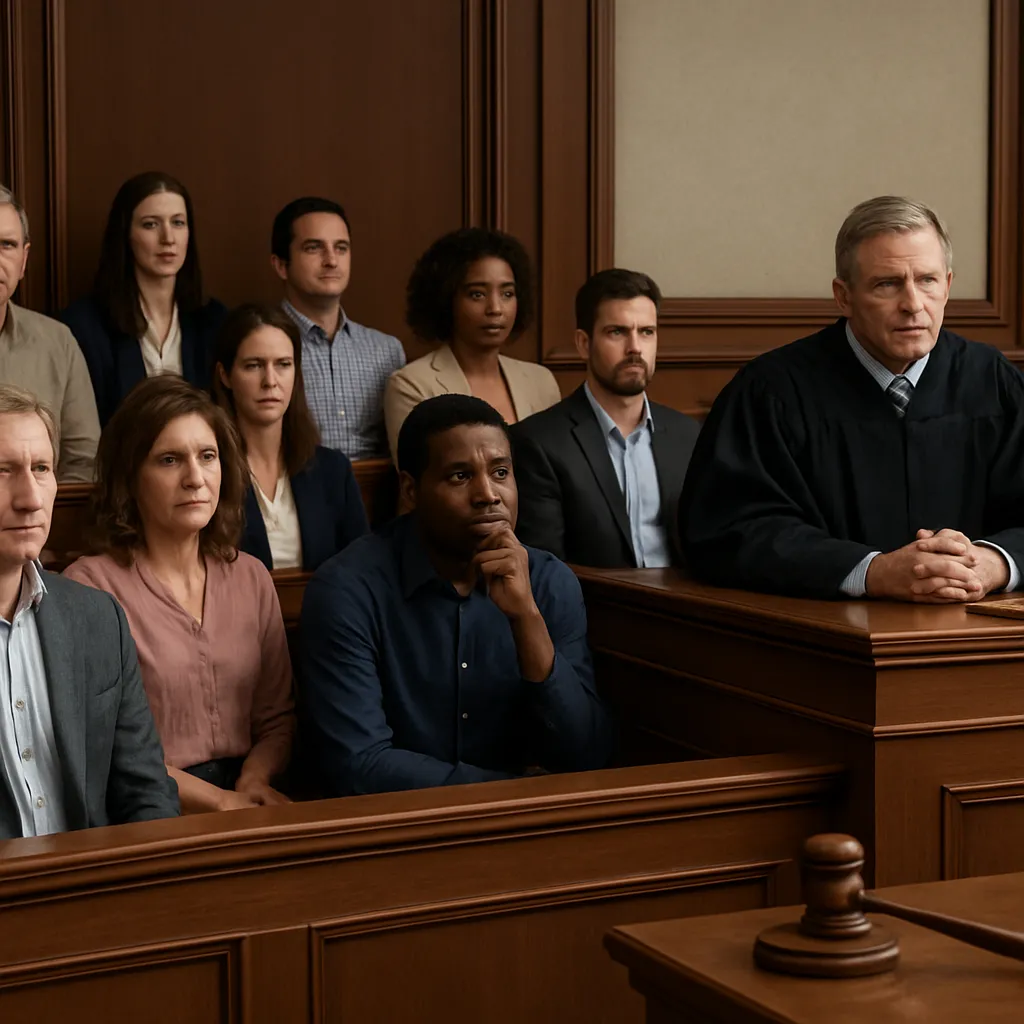
A hung jury occurs when jurors cannot agree on a defendant’s guilt or innocence after thorough deliberation. In most criminal cases, the law requires unanimity, meaning that all twelve jurors (or a supermajority in states that allow it) must concur on the verdict. If even one juror remains unconvinced, the jury is considered deadlocked.
The reasons behind a jury deadlock can vary widely. Personal biases, divergent interpretations of evidence, or differing levels of trust in witness testimony may cause jurors to break into opposing camps. In some instances, a single juror holds out, convinced that reasonable doubt persists despite the majority’s belief in guilt.
Legal Implications of a Deadlocked Jury
When a jury announces it cannot reach a verdict, the judge typically declares a mistrial. A mistrial terminates the current trial without a final decision on the defendant’s fate, leaving the case unresolved.
- Double Jeopardy: The constitutional principle of double jeopardy prevents a defendant from being tried twice for the same offense once a verdict has been rendered. However, a mistrial due to a hung jury does not trigger double jeopardy protections, allowing the prosecution to retry the case.
- Retrial: Prosecutors often weigh the strength of their case, resource constraints, and the likelihood of securing a conviction when deciding whether to retry. If evidence remains compelling and witnesses are available, a second trial is common.
- Dismissal: In some scenarios, the prosecution may choose to dismiss charges, especially if the deadlock indicates weak evidence or the costs of retrial outweigh potential benefits.
Strategies for Defense and Prosecution
After a hung jury, both sides must reassess their approaches. The defense may identify weaknesses in the prosecution’s case—overly complex evidence, inconsistent witness accounts, or jurors misunderstood legal standards. Conversely, prosecutors evaluate whether new evidence or refined jury instructions could shift the balance.
Defense Tactics
- Highlighting areas of reasonable doubt that divided the jury.
- Seeking witness recantations or impeaching credibility.
- Negotiating plea bargains if retrial risks remain high.
Prosecutorial Adjustments
- Refining jury selection to avoid jurors prone to deadlock.
- Presenting additional corroborating evidence or expert testimony.
- Requesting clearer jury instructions to ensure legal standards are properly understood.
Judge’s Role and Next Steps
The judge plays a pivotal role once a jury indicates deadlock. Initially, the judge may issue an Allen charge—also known as a “dynamite charge”—to encourage jurors to re-examine their positions and strive for consensus without abandoning honest beliefs. While intended to break the impasse, this instruction must be balanced to avoid coercion.
If the jury persists in deadlock after further deliberations, the judge formally declares a mistrial. At that point, the next steps include:
- Scheduling a retrial date or hearing motions to dismiss.
- Allowing pretrial motions to be renewed, potentially challenging admissibility of contested evidence.
- Permitting both sides to file new witness lists and introduce fresh exhibits if approved.
Impact on Defendants and Victims
For defendants, a hung jury can be a double-edged sword. On one hand, it prevents a conviction and immediate sentencing. On the other hand, it prolongs uncertainty, anxiety, and continued public scrutiny. Legal expenses mount, and the emotional toll may intensify as defendants brace for another trial.
Victims and their families also feel the strain. They must endure additional court dates, relive traumatic incidents during new testimony, and cope with unresolved justice. Prosecutors may engage victim advocates to provide support during this extended process.
Appeal Prospects and Long-Term Considerations
Although a hung jury itself is not usually ground for appeal, post-mistrial remedies can influence future proceedings. Defense attorneys may file motions alleging prosecutorial misconduct or improper jury instructions if there is evidence of unfair practices. Successful motions can either secure a dismissal or strengthen defense positions in a retrial.
Long-term, both sides must consider the appeal process and broader implications of trial outcomes. A second conviction after retrial affords the defense fresh appellate arguments, while prosecutors seek to solidify rulings to withstand scrutiny.
Conclusion of Procedural Pathways
When a jury cannot reach a verdict, the criminal process enters a critical transition point filled with strategic decisions and procedural safeguards. Understanding the roles of judges, the options available to prosecutors, and the defensive maneuvers a skilled criminal lawyer can employ is essential for navigating the aftermath of a hung jury. Each step—from the declaration of a mistrial to potential retrials and appeals—reflects the system’s commitment to fair and impartial justice.