Probation serves as a critical alternative to incarceration, offering individuals the opportunity to remain in their communities under judicial supervision. However, when the terms of probation are not strictly followed, the consequences can be severe. This article explores what happens if you violate probation, examines common types of violations, outlines potential penalties, and provides guidance on defending a violation hearing. Legal professionals specializing in criminal defense play a vital role in safeguarding the rights of those under supervision.
Understanding Probation
Definition and Purpose
Probation is a court-imposed sanction that allows an individual to avoid time in jail, provided certain conditions are met. The purpose of probation is twofold: to rehabilitate offenders and to protect public safety. Probationers must comply with a set of rules, which may include regular check-ins with a probation officer, maintaining employment, attending counseling sessions, and refraining from criminal activity.
Key Elements of Probation
- Supervision by a probation officer who monitors compliance.
- Mandatory participation in treatment programs (e.g., substance abuse counseling).
- Restrictions on travel, association, and possession of weapons.
- Restitution or community service requirements.
Common Types of Probation Violations
Violations of probation are generally categorized into two main types: technical violations and substantive violations. Understanding the difference is essential for developing an effective defense strategy.
- Technical Violations: Breaches of administrative rules, such as missing appointments with a probation officer, failing drug tests, or not completing community service hours.
- Substantive Violations: New criminal offenses or charges that occur while under probation supervision.
Potential Legal Consequences of Violating Probation
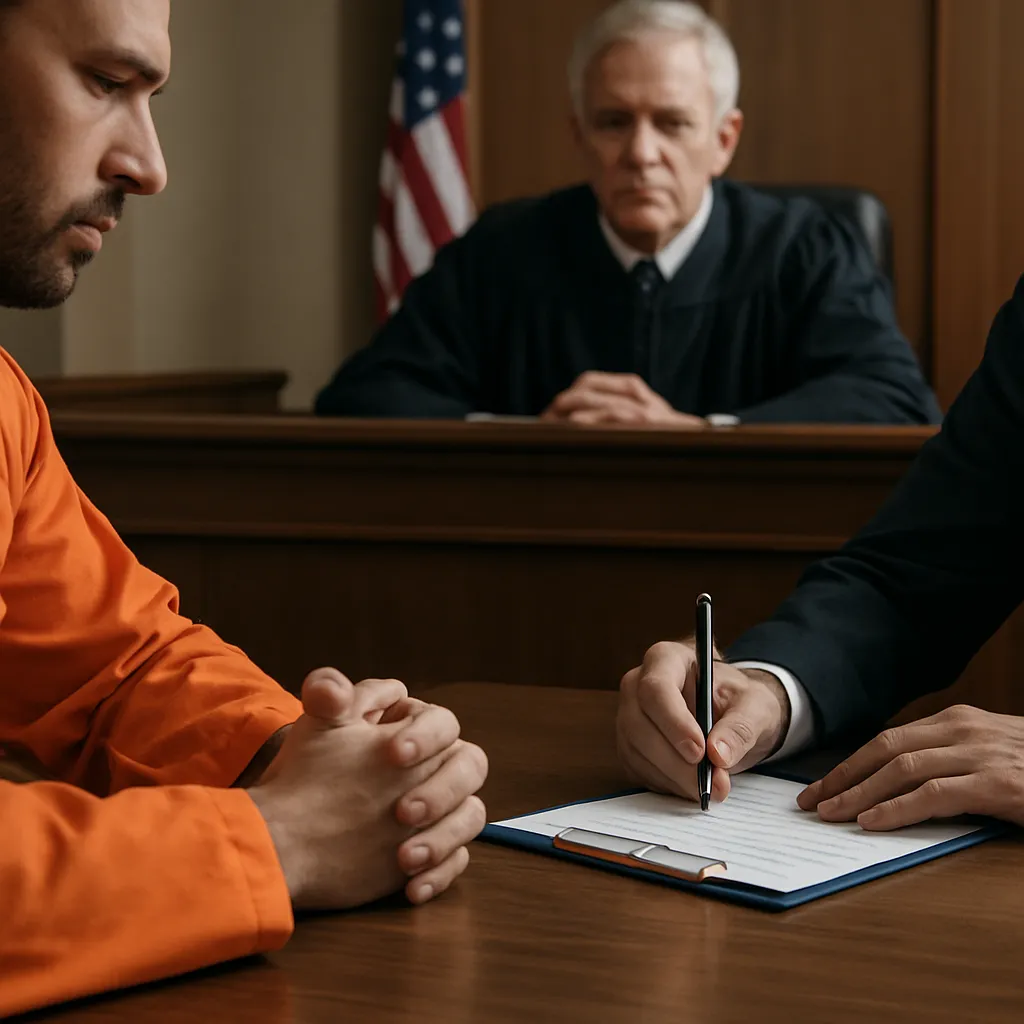
When a probation officer suspects a violation, they may issue a notice alleging non-compliance. The next step in most jurisdictions is a probation revocation hearing, where a judge determines whether a violation occurred and what penalties to impose. Consequences can range in severity:
- Warning or Reprimand: In minor technical violations, a judge may issue a formal warning.
- Modification of Terms: Additional conditions such as electronic monitoring or more frequent check-ins.
- Extension of Probation: Lengthening the supervision period beyond the original term.
- Revocation and Incarceration: The most serious penalty, leading to jail or prison time for violating the probationary agreement.
Probation Revocation Hearing
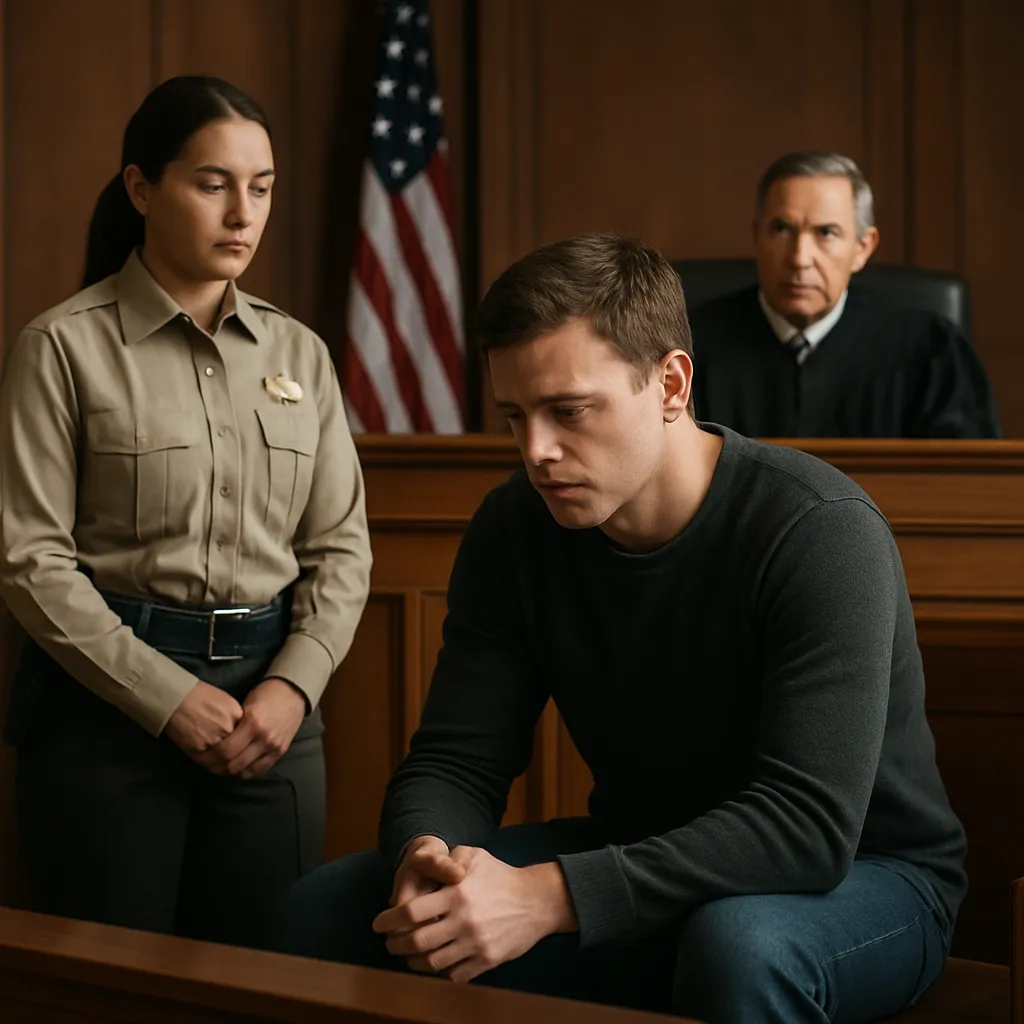
The revocation hearing is not a criminal trial; however, fundamental due process rights still apply. The standard of proof is typically “preponderance of the evidence,” lower than “beyond a reasonable doubt.” During the hearing, the judge will consider:
- Evidence presented by the prosecution, often from the probation officer’s report.
- Testimony from the probationer or witnesses on their behalf.
- Mitigating Circumstances, such as medical emergencies or misunderstandings.
- The probationer’s overall record of compliance and rehabilitation efforts.
Strategies for Defending a Probation Violation Charge
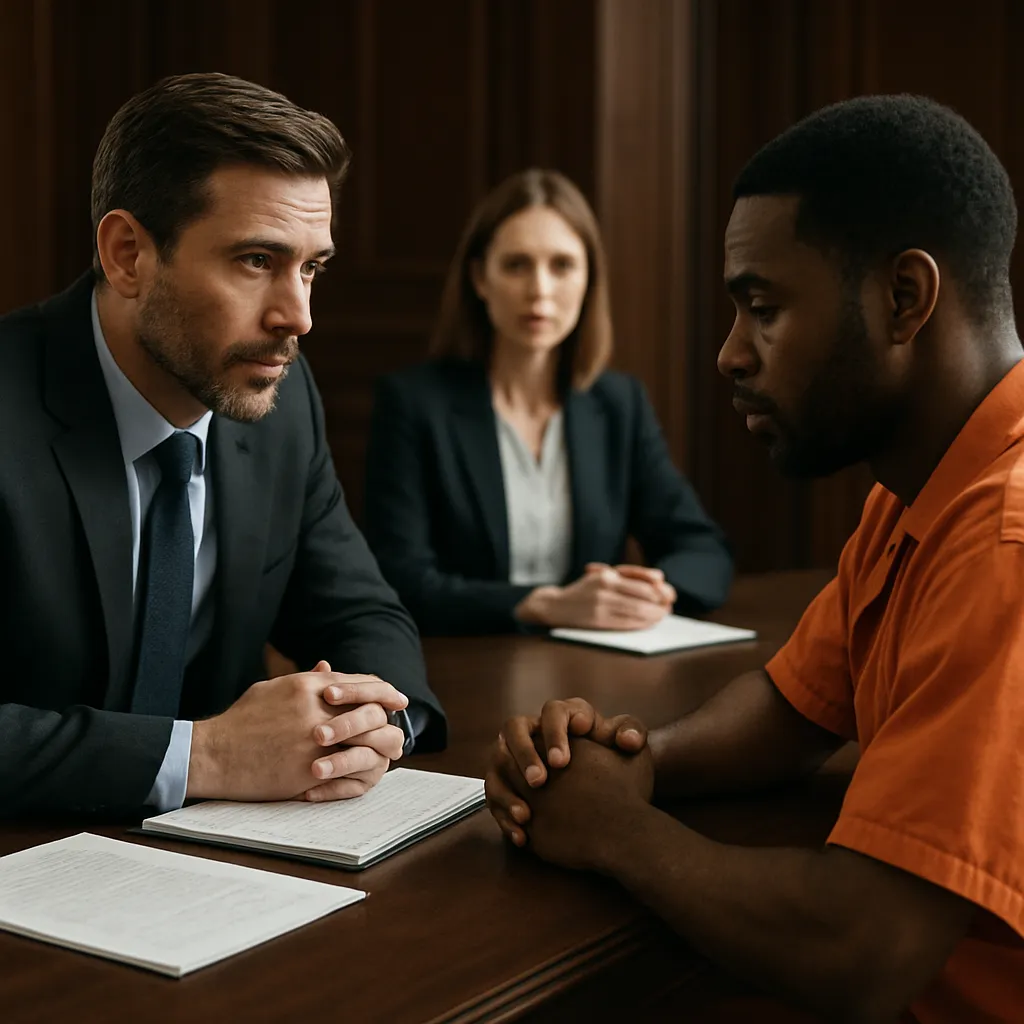
Securing competent legal counsel is crucial when facing an alleged probation violation. Defense attorneys can employ several tactics to protect a client’s interests:
- Challenging the accuracy of probation officer reports or test results.
- Presenting evidence of mitigating circumstances, such as hospitalization or mental health crises.
- Arguing procedural errors in how the notice of violation was issued.
- Negotiating with prosecutors to amend the terms of probation rather than revoke it.
Preventing Violations: Compliance and Best Practices
Proactive measures can greatly reduce the risk of violating probation terms. Probationers should:
- Maintain open communication with their probation officer and promptly report any issues.
- Keep meticulous records of meetings, payments, and program attendance to demonstrate compliance.
- Seek permission before traveling or making significant life changes.
- Engage in community resources such as support groups, counseling, and job training to fortify rehabilitation goals.
The Role of Criminal Defense Lawyers
Criminal defense lawyers specializing in probation matters provide essential assistance at every stage. They ensure that a probationer’s rights are protected, advocate for fair treatment during hearings, and outline pathways to minimize punitive outcomes. Effective representation can be the difference between continuing probation under modified terms and serving an additional sentence behind bars.
Conclusion
Violating probation can lead to serious penalties, including revocation and potential incarceration. By understanding the types of violations, preparing a robust defense, and adhering to probation terms through diligent compliance, individuals can better navigate the probationary process. Securing knowledgeable legal representation is critical to safeguarding one’s liberty and ensuring that due process is upheld throughout the proceedings.